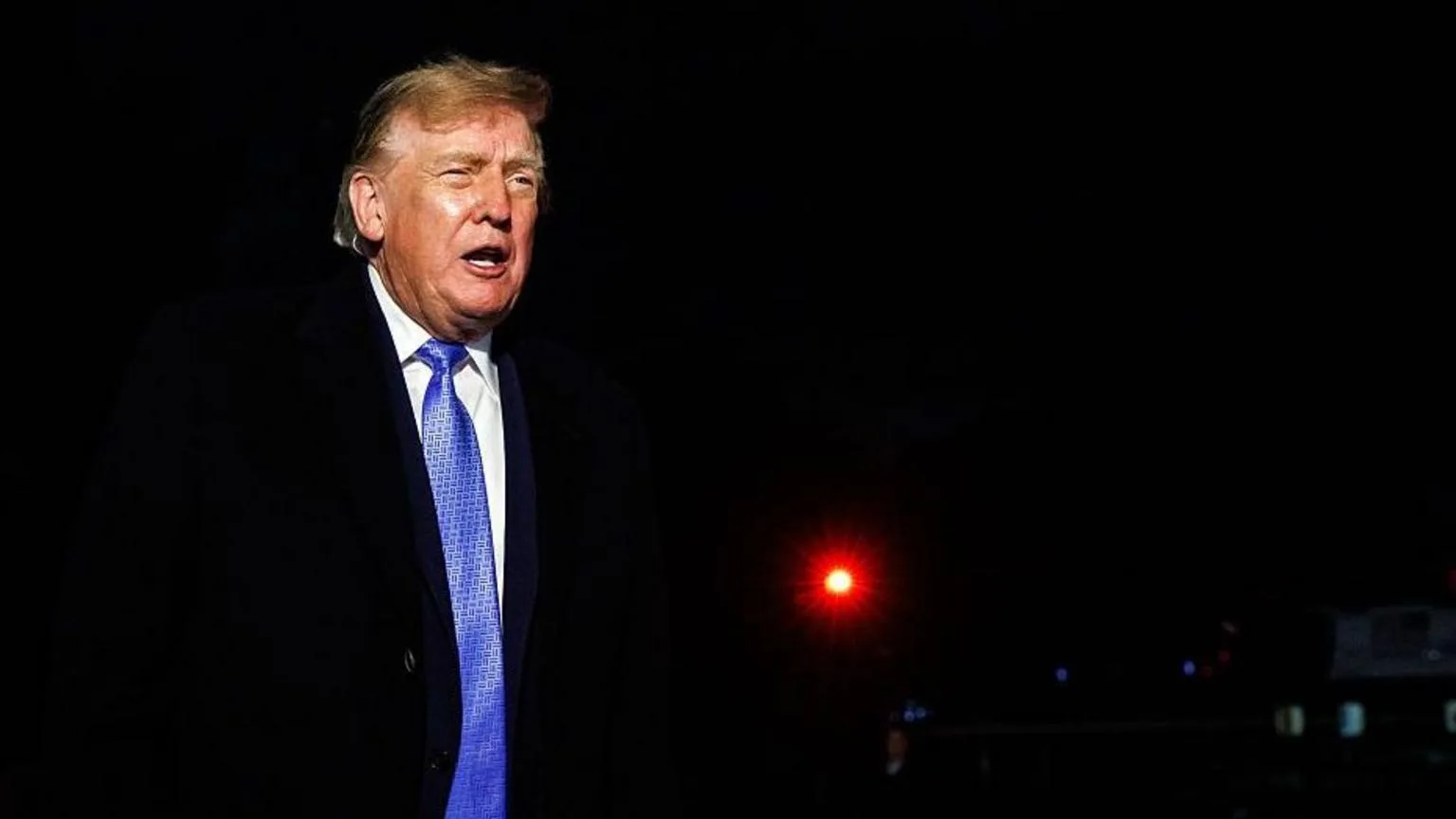
The Strait of Hormuz has become a focal point of tension and concern these days. The U.S. military is preparing to resume attacks on Iran, particularly as the midterm congressional elections on November 2 approach. In this context, Donald Trump mentioned in a campaign speech in Texas the promise of a quick end to the war and a reduction in gasoline and diesel prices.
Contradiction in Oil Exports and Ship Traffic
While CBS reports, citing the 'Kpler' institute, that oil exports from the region increased last week and even surpassed pre-war levels, statements by Mohammad Reza Naqdi, senior advisor to the commander of the Revolutionary Guard, regarding a significant decrease in ship traffic in the Strait of Hormuz have drawn considerable attention. He announced that only 10 ships pass through this waterway daily, whereas before the war, this number exceeded 100.
Read more: Gholamali Haddad Adel spoke about the simplicity of Ayatollah Mojtaba Khamenei
Increased Risks and Costs
This contradiction between rising oil exports and persistently high gasoline and diesel prices has become one of the main focuses of analysis in American media. Last week, as oil exports increased, attacks on tankers passing through the Strait of Hormuz reached their highest levels, leading to greater costs and risks for cargoes and ship crews. This situation has significantly increased the costs of transportation and insurance for tankers.
Observers believe that one reason for the lack of a decrease in oil prices is these heavy costs of passing through the Strait of Hormuz. Some analysts also believe that an increase in oil exports does not necessarily mean a rapid increase in the supply of gasoline and diesel in the market.
In this situation, J.D. Vance, the U.S. Vice President, emphasized that Iran must make a 'meaningful' reduction in its enrichment capacity. These remarks are seen as a sign of a shift in the U.S. position and could provide a glimmer of hope for those opposed to the continuation of the war.
Although oil flow from the Persian Gulf has not stopped, the reality is that neither the tension in the Strait of Hormuz has subsided nor has the diplomatic path opened. This situation continues to keep the danger of renewed conflict alive.
Read more: Hamed Ghader Marzi: Rural mothers with 3 children will receive free insurance · Extensive damage at Al-Adairi base in Kuwait after Iran's attacks