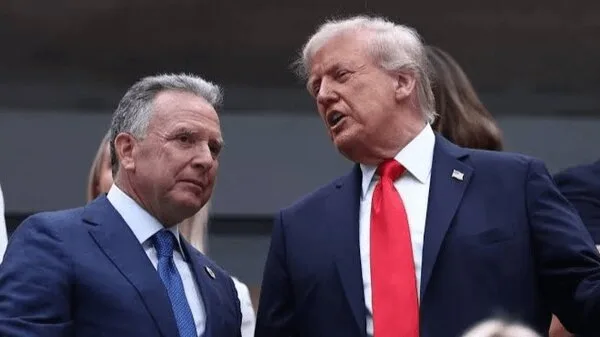
Steve Witkoff, the Special Representative of the U.S. President, reported on Tuesday, on the sidelines of the United Nations General Assembly, about lengthy and detailed negotiations with the Iranian delegation. These negotiations, conducted through intermediaries who were in transit throughout the day, seem to have been "successful," and Witkoff expressed hope that these discussions would be "constructive and fruitful."
Details of the Negotiations and Iran's Perspectives
In this context, Ismail Baghaei, the spokesperson for the Ministry of Foreign Affairs of the Islamic Republic of Iran, stated that these negotiations were conducted through a Qatari mediator and aimed to convey Iran's conditions, including the end of the war on all fronts, cessation of U.S. aggressive actions, maritime blockade, and the release of Iran's assets.
Read more: Transitional President of Syria: The Withdrawal of Foreign Military Bases is Our Priority
Baghaei added: "The Iranian delegation clearly communicated its views and conditions to the American side. This interaction is not only not new, but the positions of the Islamic Republic of Iran regarding issues related to the Strait of Hormuz and regional security were also expressed earlier this week."
Trump's Movements and Hope for an Agreement
The U.S. government is continuously striving to reach an agreement with Iran. Donald Trump, the President of the United States, at the beginning of a meeting with leaders of Gulf countries at the United Nations, referred to Witkoff's negotiations and announced new momentum and movements toward achieving an agreement. He said: "Steve and Jared Kushner had a very fruitful meeting with Iranian intermediaries today, and we will see what happens."
Trump also emphasized that mediation negotiations between the two sides have been ongoing for some time and expressed hope that this time they would reach a satisfactory outcome. This indicates that the U.S. government is seeking a way to reduce tensions and improve relations with Iran.
Consequences and Future of the Negotiations
The recent negotiations indicate a shift in the approach of the two countries, especially in diplomatic and economic fields. Given the current conditions and existing challenges, these negotiations could help improve relations between Iran and the U.S. and pave the way for greater stability in the region.
Ultimately, these interactions and negotiations could be seen as a turning point in Iran-U.S. relations, especially if the parties can reach practical agreements. This issue will not only affect the status of the two countries but could also impact the overall stability of the Persian Gulf region.
Read more: Republicans Retreat from Supporting Trump in the War Against Iran · Seyyed Abbas Araghchi Criticized France's Interventionist Positions Towards Iran