About eighty countries in a joint statement called for the immediate and complete reopening of the Strait of Hormuz. This statement was issued due to security concerns arising from attacks by the Islamic Republic and Iranian-backed Houthis in the region. The statement was read at the United Nations General Assembly and emphasized that these actions pose a serious threat to international security and freedom of navigation.
Condemnation of the Actions of the Islamic Republic and the Houthis
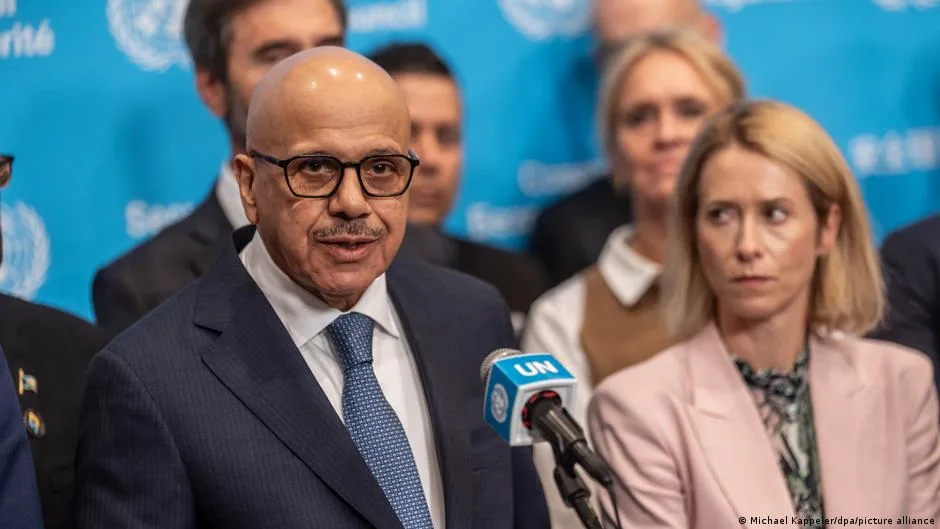
The Foreign Minister of Bahrain, Abdullatif bin Rashid Alzayani, read this statement at the United Nations and strongly condemned the Houthis' decision to resume hostilities and ongoing attacks on Saudi Arabia and the Red Sea. The statement explicitly stated that the actions of the Islamic Republic in the Strait of Hormuz jeopardize international security and necessitate the safe and unobstructed passage of vessels through this vital waterway.
Read more: Turkey's Army Advances in Northern Iraq and New Developments in Duhok
International Cooperation and Security Implications
The Gulf Arab states and major Western countries, including Germany, were among the signatories of this statement and emphasized the need for international cooperation to resolve the security crisis in the region. Kaja Kallas, the EU's foreign policy coordinator, and Johan Wadephul, Germany's Foreign Minister, also expressed their support for this statement. This statement reflects global solidarity against security threats and actions that could disrupt global trade.
The Colombian Foreign Ministry also recently announced the severance of diplomatic relations with the Islamic Republic, citing security concerns, Tehran's connections with terrorist groups, and human rights violations. The ministry clarified that the severance of relations has been in effect since September 19 (28 Shahrivar), and consular relations between the two countries will continue.
The Colombian government considers this decision in line with its foreign policy principles regarding national security and hemisphere security, claiming that the Islamic Republic's relations with international terrorist groups threaten Colombia's security. Additionally, the blockage of the Strait of Hormuz and the Islamic Republic's lack of cooperation with the International Atomic Energy Agency regarding the verification of Iran's nuclear program were also among the reasons for this severance of relations.
Read more: Zelensky: I will come to Moscow with missiles · Guo Jiakun: The US and Iran must choose the path of peace