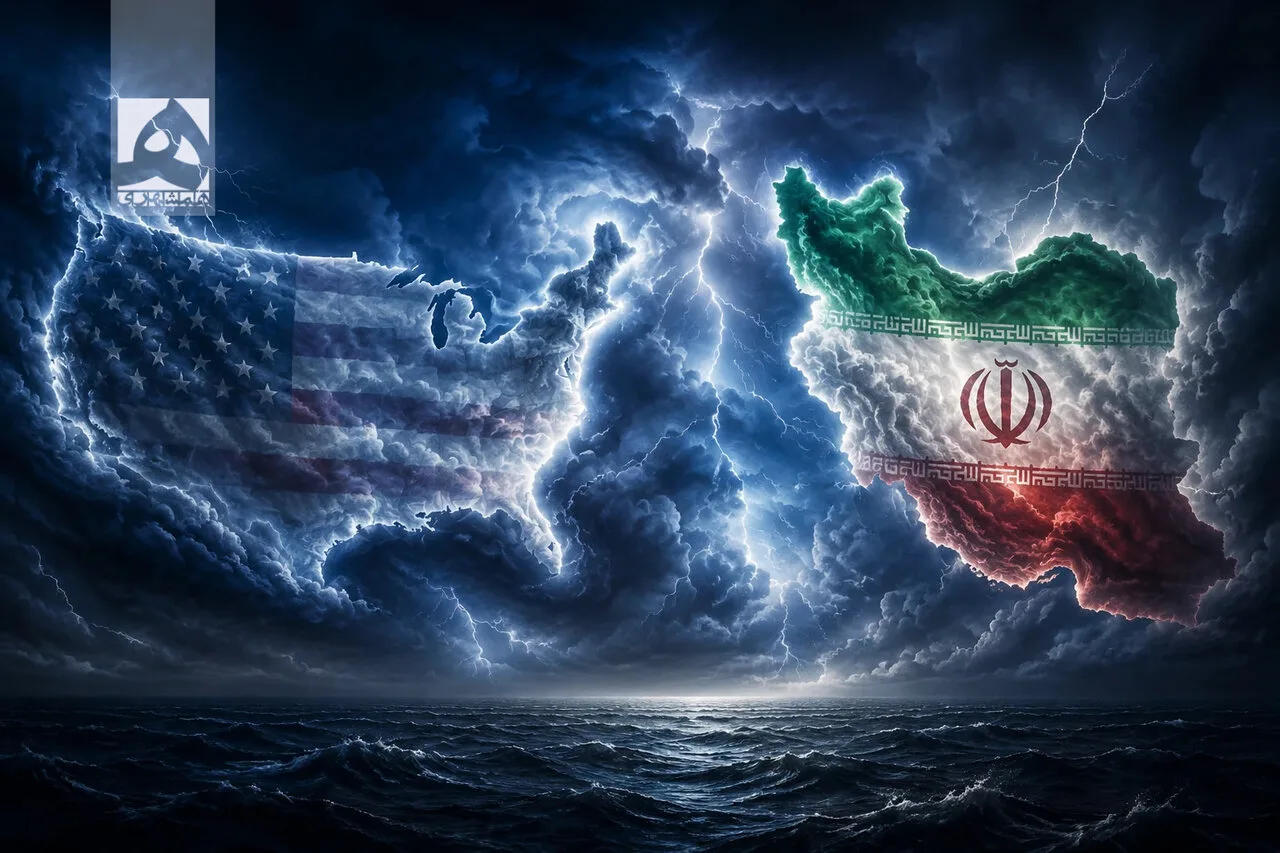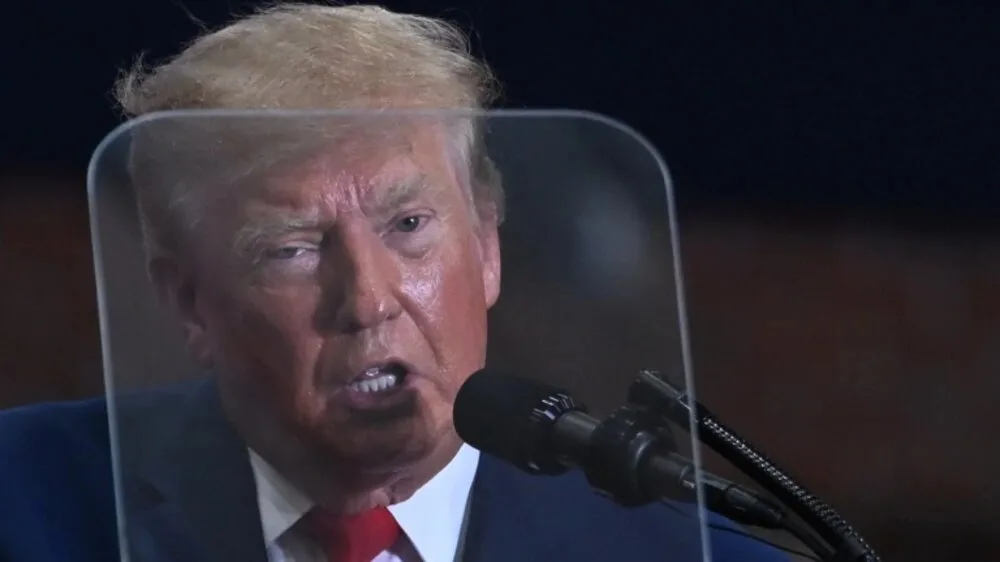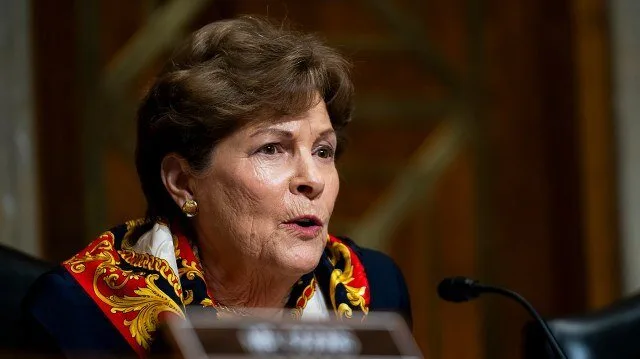
The senior Democratic senator in the Senate Foreign Relations Committee took an important step in U.S. foreign policy by imposing restrictions on the $٢.٨ billion arms sale to the Zionist regime. This action clearly reflects deep distrust towards the Trump administration and the Zionist regime and could have wide-ranging implications for this country's relations with the Tel Aviv regime as well as for U.S. macro policies in the Middle East.
Political and Social Impacts
This decision, despite the historical support of the United States for the Zionist regime, clearly indicates changes in the approach of American policymakers. The Democratic senator concluded that continuing arms sales to Tel Aviv not only does not contribute to regional security but could also bring additional risks. With this action, he aims to amplify the voices of representatives and political elites protesting the behaviors of the Zionist regime.
Read more: The U.S. Embassy confirmed the military deal of the Pakistani army with the Trump children's company
Alignment with the House of Representatives
The senior Democratic senator showed alignment with his counterpart in the House of Representatives in this regard. This alignment signifies mutual understanding and cooperation between the two main branches of Congress, which could lead to fundamental changes in U.S. foreign policies. These changes may impact not only policies related to the Middle East but also U.S. relations with other countries around the world.
While the Trump administration sought to expand its relations with Tel Aviv, this Democratic senator has clearly stated that current policies need to be re-evaluated. As a representative, he has taken a firm stance in favor of U.S. national interests and human rights in Palestine.
Economic Consequences
The decision to limit arms sales to the Zionist regime could also have economic repercussions. This action may lead to a reduction in economic cooperation between the two countries and, in turn, affect the defense industries of the United States. On the other hand, this action could provide an opportunity for new dialogues between the U.S. and other countries, benefiting public interests and human rights globally.
Ultimately, this action by the Democratic senator reflects profound changes in U.S. foreign policies and a willingness to reconsider past approaches. This change could be seen as a turning point in the history of U.S.-Zionist regime relations and could benefit security and stability in the Middle East.
Read more: BRICS; a great power that has yet to leverage its strength · U.S. approval of a $٢.٧ billion arms sale to Ukraine