On October 5, 2023, Saudi Arabia, Turkey, and Pakistan announced the practical implementation of joint defense commitments within the framework of the "Makkah Coalition." This decision follows the repeated attacks by Yemen's Ansar Allah Houthi movement on Saudi Arabia and reflects the efforts of these countries to enhance their security against common threats.
Reducing Dependence on the U.S.
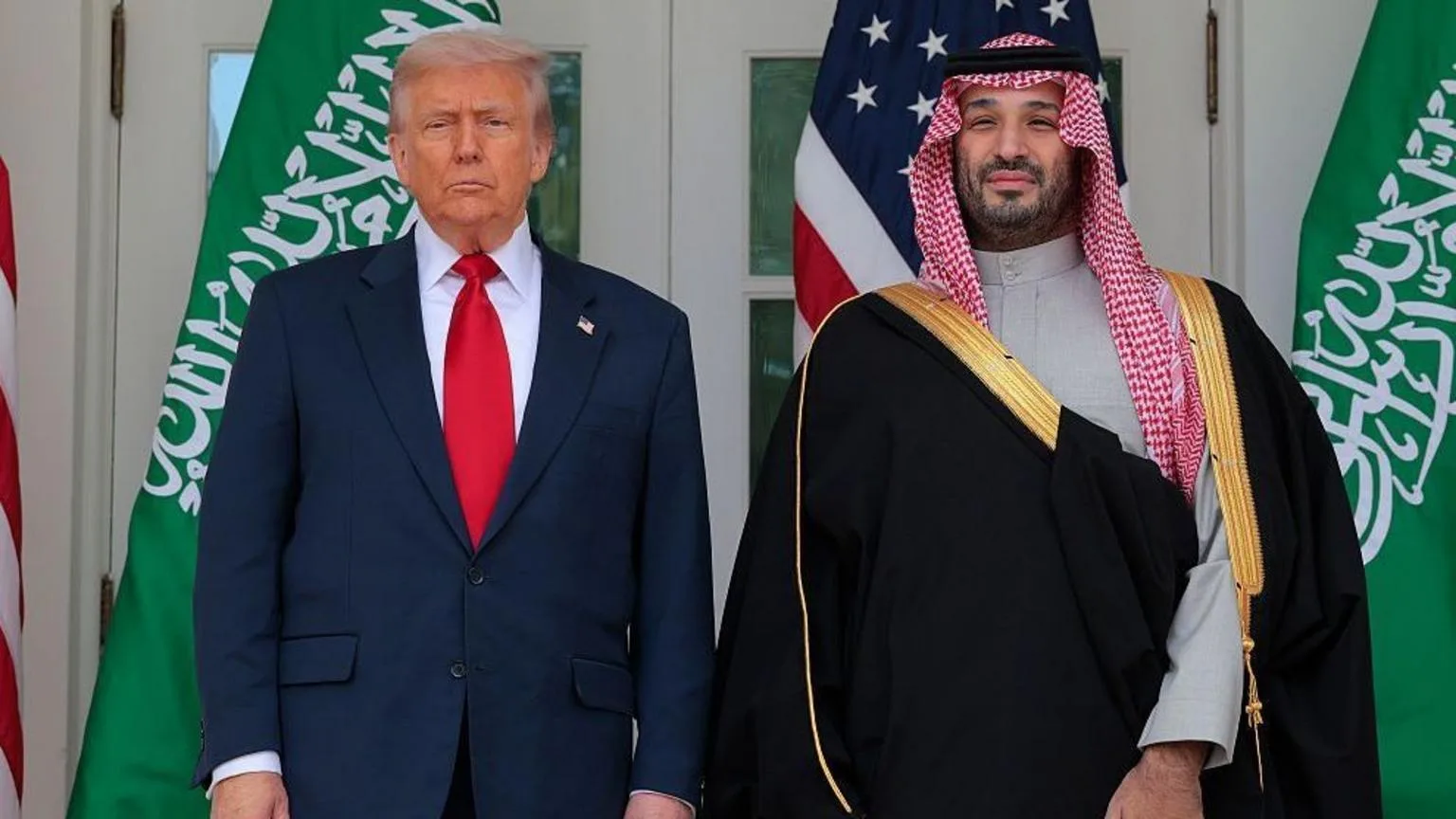
An emergency meeting of the political and defense strategic committee of the Makkah Coalition was held to discuss "security developments and threats facing Saudi Arabia." In this meeting, amid the renewed intensification of the Yemen war, the decision for joint defense cooperation was made. Meanwhile, Saudi Arabia is seeking to reduce its dependence on the United States, especially after its requests for direct military assistance from Donald Trump, the former U.S. President, were rejected.
Read more: Donald Trump: We will not attack Iran before the midterm elections
Reports indicate that the United States has only provided intelligence support and data to assist Saudi Arabia instead of direct attacks. This situation has increased Saudi Arabia's feelings of insecurity and raised questions about the future of its security relations with the United States.
Developments on the Yemen Front
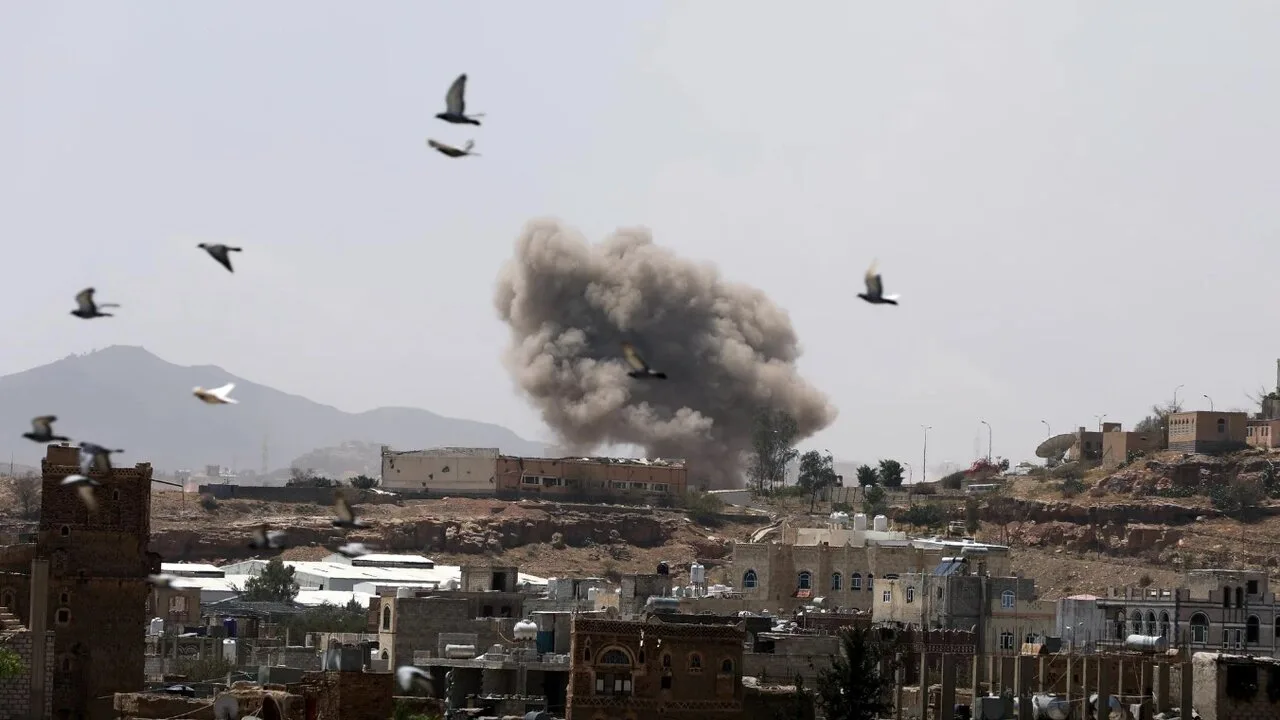
In light of new tensions in Yemen, Saudi Arabia and Yemeni government forces have launched extensive military operations to reclaim areas that had fallen under Houthi control. These developments occur as the Houthis have managed to gain more positions along Yemen's western coast and have increased their ability to threaten shipping in the Bab al-Mandab area.
Mitchell Plitnick, a Middle East researcher, expresses that these developments are a test for the security relations between Riyadh and Washington. He believes that Saudi Arabia has become disillusioned with its security relations with the U.S. and is seeking alternative options. He points to the September 2019 attacks on Saudi oil facilities, stating that this event highlights the limitations of Saudi Arabia's security partnership with the U.S.
However, some analysts, like Aaron David Miller, believe that the Trump administration has incentives to assist Saudi Arabia, although these incentives are influenced by conflicts with Iran and domestic political considerations in the U.S. On the other hand, Amr Hamzawy, director of the Middle East program at the Carnegie Foundation, emphasizes that the lack of direct military assistance to Saudi Arabia does not signify a change in the relationship between the two countries, and the U.S. remains committed to its obligations.
The recent agreement between Saudi Arabia, Turkey, and Pakistan, which follows an increase in the diversity of security cooperation among these countries, may be a sign of efforts to reduce dependence on the U.S. This agreement specifically considers an attack on any of these three countries as an attack on the other two and has been established to enhance their collective security.
Read more: Sayyid Muqtada al-Sadr: Iraqis resist occupation · Diplomatic tension between India and Pakistan after two killed at the border