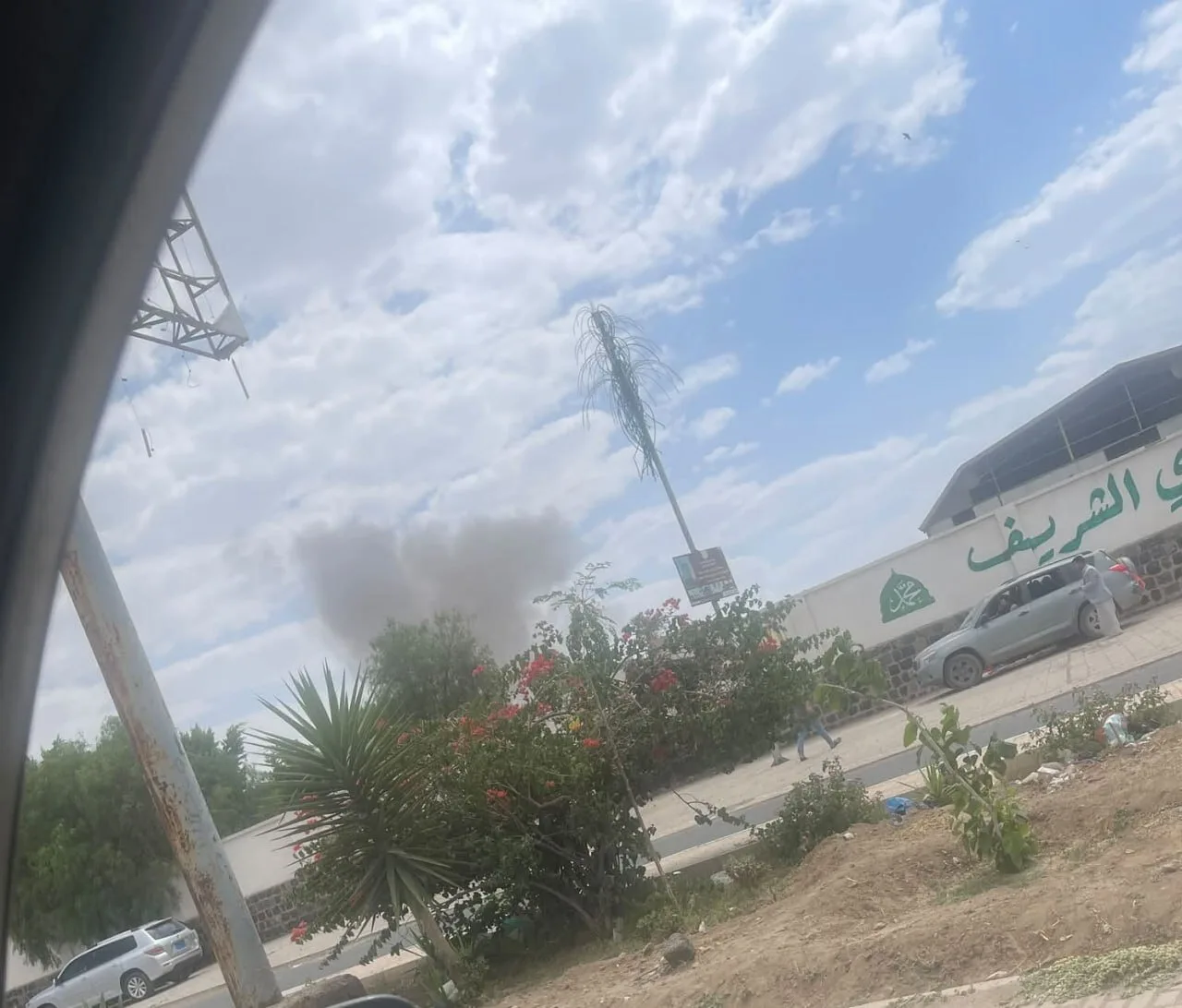
Saudi fighter jets today (Sunday) conducted extensive airstrikes in Yemen's provinces, targeting key areas including Taiz, Saada, and Sana'a. These attacks come at a time when Yemen has been embroiled in a civil war and deep humanitarian crisis for years, and the people of this country continue to face numerous challenges.
Escalation of Attacks and Their Impact on Civilians
According to received reports, Saudi airstrikes have particularly focused on residential areas and vital infrastructure in Yemen. These attacks have severely harmed many civilians, forcing them to leave their homes. Such a situation has once again raised the voices of human rights organizations warning about the humanitarian conditions in Yemen.
Read more: Shamsad Khan, the head of Pakistan's Election Commission, killed in a terrorist attack
Political and Military Context of the Attacks
The Saudi airstrikes on Yemen are part of a war that began in 2015 and has intensified against the Houthis (Ansar Allah) as a militia group. Saudi Arabia, as a main supporter of Yemen's ousted government, believes that these attacks are aimed at ensuring national security and countering Iran's influence in Yemen. However, this military approach has drawn significant international criticism and has led to a deeper humanitarian crisis in the country.
In the wake of these attacks, international organizations continue to emphasize the necessity of establishing a ceasefire and initiating peace negotiations. However, given the intensity of the conflicts and the distrust between the parties, achieving a sustainable agreement in the near future seems difficult.
The people of Yemen live in conditions where their basic needs are not met and face shortages of food, medicine, and other essentials. This critical situation presents a grim picture of a country that was once rich in culture and civilization.
Read more: Saudi Arabia seeks China's mediation for a ceasefire with Yemen · Mohammad Ali al-Houthi: Saudi crimes will lead to their defeat