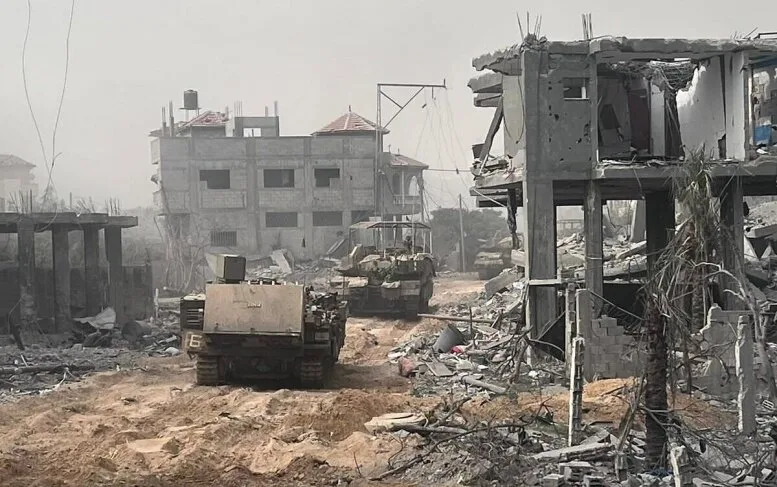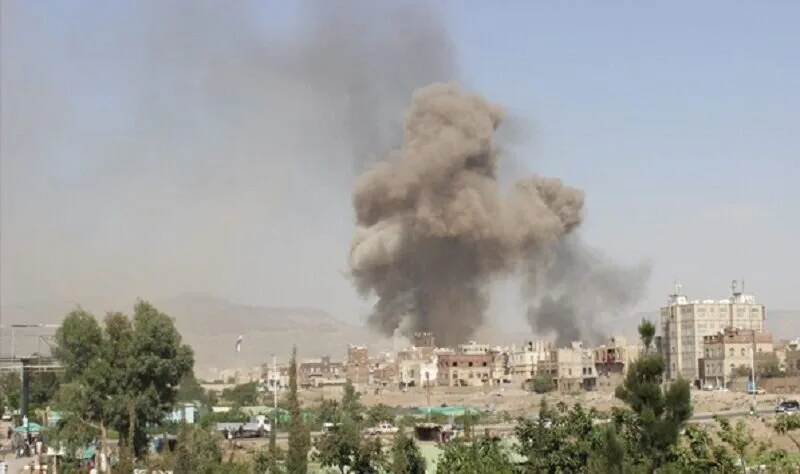
Saudi airstrikes in various regions of Yemen have recently intensified. Saudi fighter jets have inflicted considerable damage to infrastructure and vehicles through bombings in the two provinces of Hajja and Taiz. These attacks, aimed at targeting military positions and militia groups, have harmed the daily lives of the Yemeni people and exacerbated concerns about the humanitarian situation in the country.
Humanitarian and Infrastructural Impacts
These attacks have not only damaged vehicles but also harmed communication infrastructure and public services. Given that Yemen is currently facing a severe humanitarian crisis and a shortage of basic resources, these bombings could worsen the situation further. In many areas, people are struggling to access healthcare and educational services, and these attacks add to their difficulties.
Read more: Yemeni Armed Forces Down Saudi F-15
Political and Military Consequences
Saudi Arabia's military operations in Yemen began in 2015, following which the country has faced widespread criticism from the international community and human rights organizations. While Saudi Arabia claims that these operations are aimed at ensuring its security and preventing Iranian influence in Yemen, airstrikes on civilians and infrastructure have drawn severe criticism. Many analysts believe that continuing this trend could exacerbate the humanitarian crisis in Yemen and increase public discontent.
As peace negotiations to end this war have stalled, Saudi airstrikes indicate a lack of progress in this process and ongoing tensions in the region. Given the current situation, it is essential for the international community to pay more attention to this humanitarian crisis and seek solutions to end these conflicts.
Read more: Saudi Arabia Seeks International Assistance to Strengthen Air Defense · Ansar Allah Calls Saudi Coalition's Claim About Mecca a Lie