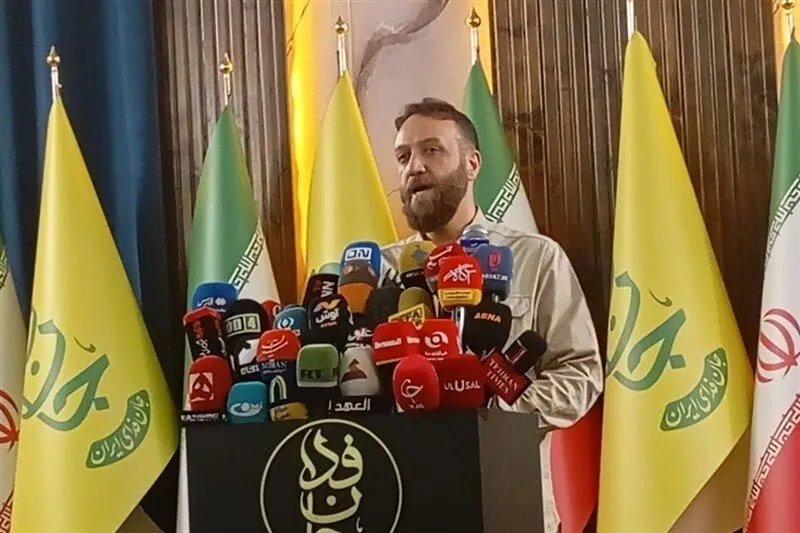
Participants in the Sacrificial Project, with diverse educational backgrounds and various activities, engage in education and preparedness for emergencies. Sasan Zare, the head of this project, has provided interesting statistics about the education and distribution of volunteers.
Educational Statistics of Participants
According to Sasan Zare, 36% of participants hold a diploma, while about 30% have a bachelor's degree and 18% hold a master's degree. Additionally, 4% of them have a doctorate and 6% have religious education. These statistics indicate that the Sacrificial Project has managed to attract individuals with different educational levels, and this diversity can enrich the experiences and capabilities of the group.
Distribution of Volunteers Based on Mission Areas
Among the mission areas, the largest share goes to volunteers in educational actions, security, and military organization with 26%. Additionally, 20% of participants are involved in rescue operations, 17% in cultural-artistic activities, 20% in social areas, and 13% in financial support. This distribution reflects the importance and diversity of activities carried out in this project.
Family Training in Military Fields
One notable aspect of the Sacrificial Project is that the training is designed to create a family educational environment. Thus, on the sidelines of the fields, men are trained in weapon handling, women in rescue work, and children in understanding the concepts of sacrifice and selflessness. This approach aims to make the training appealing and accessible to all family members.
Challenges and Limitations
Despite these facilities and promising statistics, family registration for the Sacrificial Project is still not available. This issue can pose a challenge for families who wish to participate jointly in these programs. It is expected that with the growth and development of the project, solutions will be provided for this problem so that more individuals can benefit from this training.
The Sacrificial Project, as a new model in education and preparedness for emergencies, can be seen as an opportunity to create awareness and capability among families and the community. Despite the challenges, it is hoped that this project can achieve its goals by attracting more participation and educational development.
Read more: Hamidreza Janbaz: El Niño in Iran; Preparedness for Flood Management · Colored Pencils and a Keepsake of Love for the Flag of Iran