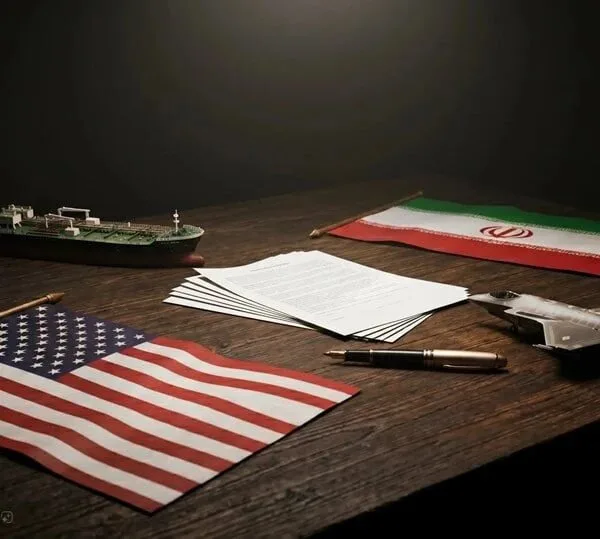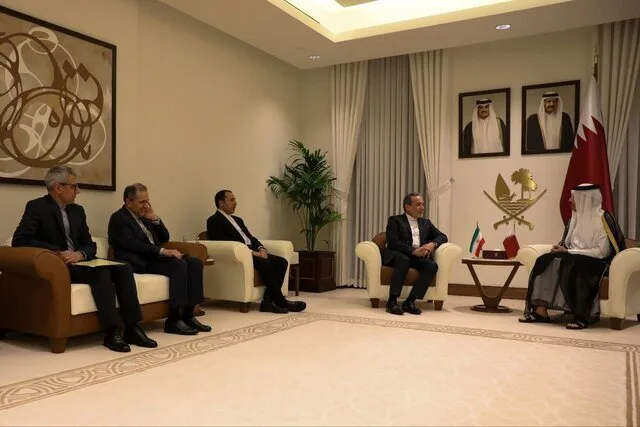
The visit of the high-level Qatari mediation delegation to Tehran took place a few days after the transfer of a letter from J.D. Vance to Mohsen Rezai, the Secretary of Iran's Supreme National Security Council. This visit reflects efforts to keep the window open between Iran and the USA. Recent diplomatic activities, especially in light of the differences between the two sides over maritime blockade, navigation in the Strait of Hormuz, economic sanctions, and the nuclear file, could determine the course of future developments.
Diplomatic Efforts and Qatar's Role
The renewed visit of the Qatari delegation to Tehran should be assessed within the framework of diplomatic efforts aimed at preventing the escalation of military confrontation and exploring the possibility of reaching an agreement between Iran and the USA. Qatar, as an active mediator, has simultaneously conveyed messages from Washington to Tehran while proposing ideas to end the war.
The Qatari delegation arrived in Tehran on Friday morning, November 8, to consult with senior officials of the Islamic Republic regarding bilateral relations and regional developments. The significance of this mission increases following previous communications and the transfer of J.D. Vance's letter to Mohsen Rezai. Trump has confirmed the principle of sending the letter and his agreement to this communication, but the content of the letter has been linked in various reports to the possibility of resuming related negotiations.
Challenges of Negotiations and Fundamental Disagreements
Reports indicate that there are fundamental disagreements between Tehran and Washington regarding the starting point of negotiations. The USA wants to place Iran's nuclear file on the agenda, while Tehran insists that the issues of maritime blockade and US economic pressures must be resolved before entering into new talks.
This situation makes it clear that the issue is not merely returning to the negotiating table, but that both sides have differing views on the order of actions and the nature of a potential agreement. The new mission of the Qatari delegation could be an attempt to bring the views of both sides closer and to explore the possibility of revising previous proposals.
However, the second visit of the Qatari delegation to Tehran is more than just a bilateral consultation; it is a test to assess the possibility of overcoming the current deadlock. The question now is whether Doha can turn the existing process into a starting point for a practical agreement or whether the disagreements will continue to hinder both sides' return to the negotiation path?