The American company Poweras, led by Robert Bert Velikovich, emphasized the expansion of defense cooperation during an important meeting with Field Marshal Syed Asim, the Commander of the Army and Chief of the Defense Forces of Pakistan, in Rawalpindi. This meeting was an opportunity for both sides to discuss modern defense technologies and common areas for logistical and production cooperation.
Strategic Agreement and Purchase of Aerial Systems
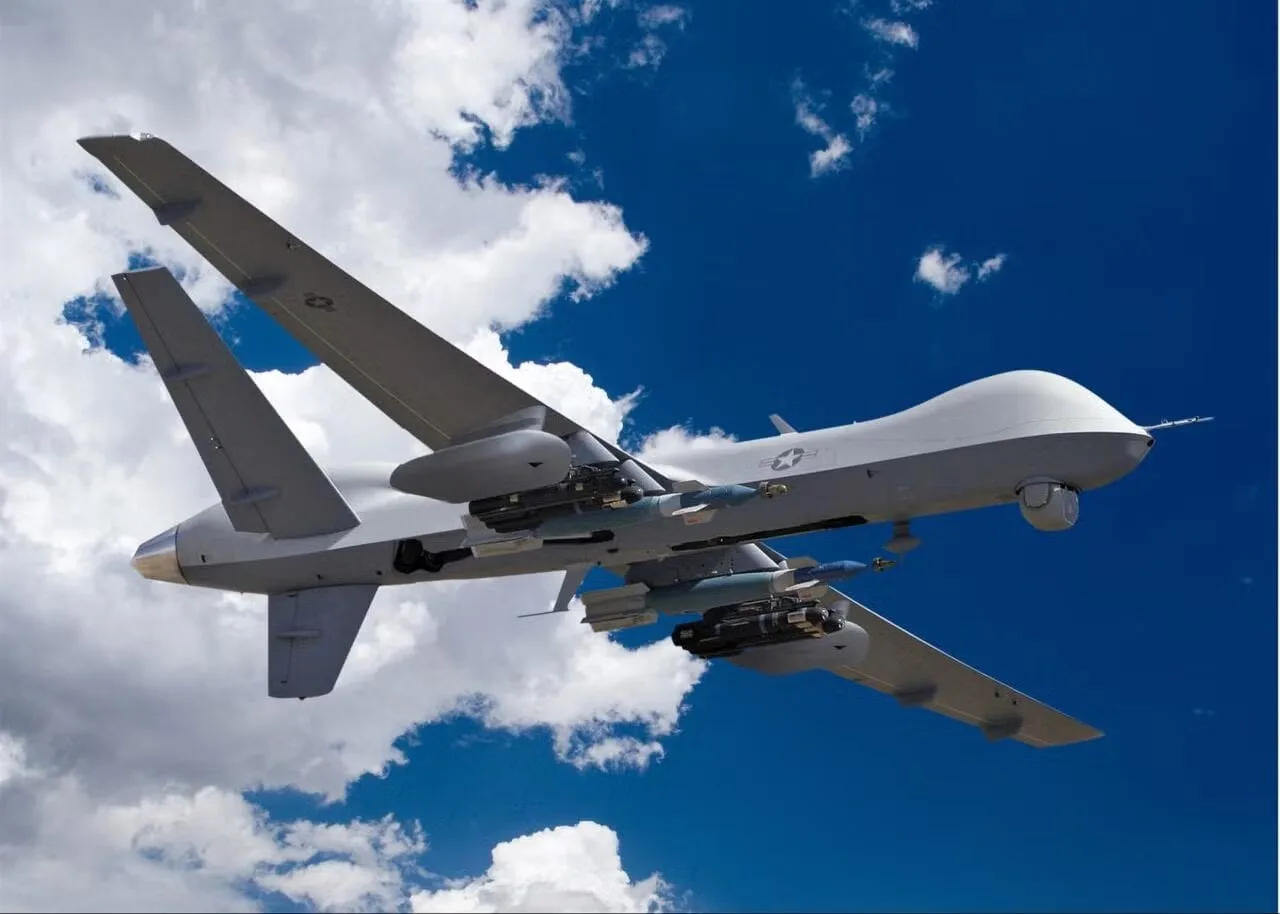
During this meeting, Poweras announced that it has signed a strategic agreement with the Pakistani side and has received the first order from the Ministry of Defense of Pakistan for the purchase of unmanned aerial systems and related support services. This action appears to be the first step towards establishing a sustainable defense cooperation between the two countries.
Read more: Mahbub and the Narrative of the Collapse of the Afghan Republic and the Fate of Ghani
Poweras, based in Florida, has emphasized that this agreement is not considered a final agreement and does not create any purchasing obligation for either party. Additionally, any program or purchase under this framework is subject to the conclusion of final agreements and compliance with the laws and regulations of the United States.
Historical Developments in Pakistan-U.S. Relations
Relations between Islamabad and Washington have always been accompanied by challenges and ups and downs. After the suspension of foreign military aid was lifted, the U.S. government agreed last fall to sell $686 million worth of advanced technology and upgrade Pakistan's F-16 fighter fleet. These military collaborations, despite India's concerns about Pakistan's use of these fighters in any border conflict, demonstrate the U.S. commitment to cooperating with Pakistan in the defense sector.
Pakistan faced U.S. sanctions following its nuclear test in 1998, but after the September 11 attacks and the U.S. military invasion of Afghanistan, Washington was forced to lift these sanctions. This situation reflects the complexity of the two countries' relations and its long-term impacts on regional security.
In recent months, Islamabad's concerns about Washington's close cooperation with New Delhi in military and defense areas have increased. However, Pakistani military officials have repeatedly stated that they do not need to obtain permission from the U.S. to use F-16 fighters, which could lead to further tensions in the region.
Read more: Kim Jong Un Visits the Production Line of Suicide Drones in North Korea · Shan Masood's Surprises: England Stopped on the Brink of Victory