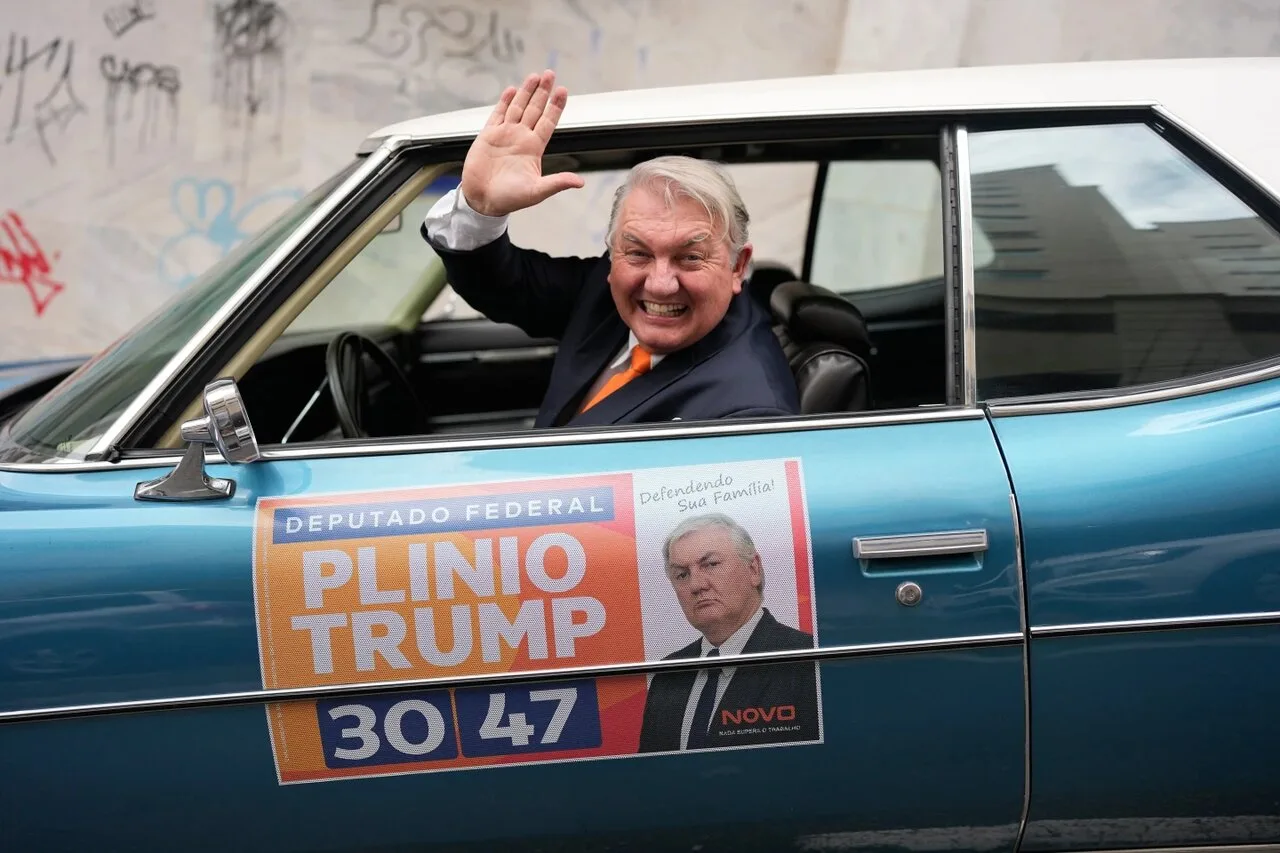
Plinio Vicente Junior, a 59-year-old Brazilian pilot, has entered the congressional election scene with the nickname "Plinio Trump." He is running for office for the first time and is trying to attract voters' attention with a look reminiscent of former U.S. President Donald Trump. His distinctive hairstyle, long orange tie, and manner of walking and shaking hands have made many citizens smile upon seeing him and welcome this initiative.
Unconventional Figures in Politics
However, Plinio Vicente Junior is not the only odd candidate in this race. Henrique Barack Obama, a candidate who bears little resemblance to the former U.S. President, is also vying for a Senate seat. In the state of Goiás, Mick Jagger, a 66-year-old carpenter with his electoral name, has once again entered the political arena.
Read more: German Chancellor and NATO Secretary General in the Münster Protests
Funny Nicknames and Interesting Strategies
Alongside these candidates, there are individuals with unique and humorous nicknames such as "Grandma Tsunami," "Ho Ho," "Lonely Boy," and "Samurai Taxi Driver" also participating in this election. Many of these candidates are trying to attract the votes of citizens dissatisfied with traditional politicians by releasing humorous videos and actively engaging on social media.
The history of this phenomenon dates back to 1959 when tens of thousands of voters in São Paulo wrote the name of a zoo rhinoceros on their ballots. This tradition continued in the following decades and peaked in 2010 with the victory of Tiririca, the famous circus clown. He entered Congress with over a million votes and maintained his representation for several terms.
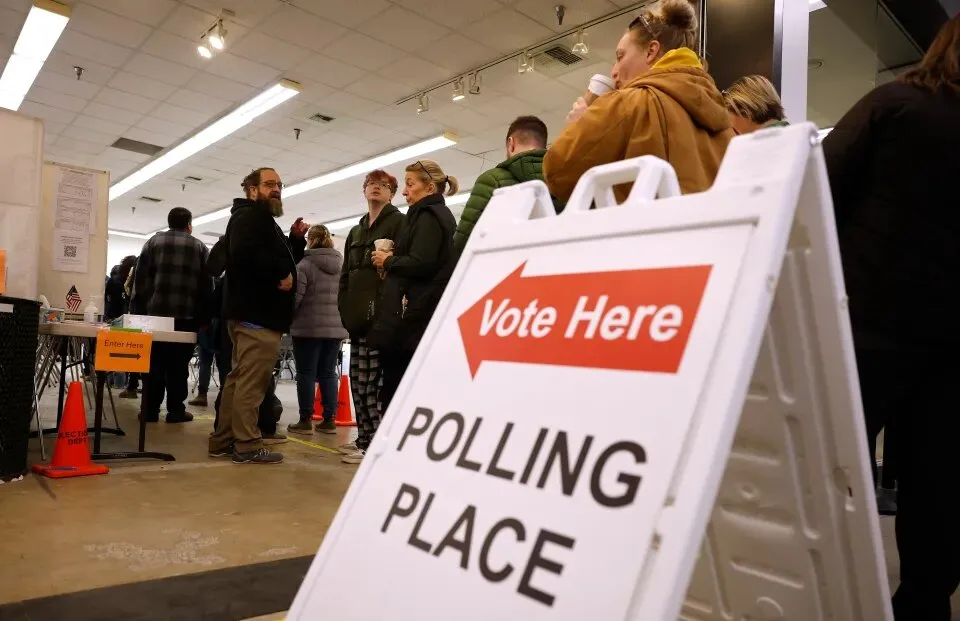
Experts believe that Brazil's proportional electoral system allows unconventional candidates to play a larger role in politics. Even if these candidates do not succeed in winning, the votes they receive help increase the power of their parties in Congress and secure more funding. Therefore, with growing distrust in traditional politics, the presence of such candidates in Brazilian elections is becoming more noticeable each year.
Read more: El Al Airlines Cancels Its Flights to Dubai · The Competition Between Lula and Bolsonaro in the Brazilian Elections and Its Consequences