Optical cochlear implantation offers new hope to individuals suffering from severe hearing loss or deafness for restoring their sense of hearing. For years, cochlear implants have been recognized as a method for stimulating the auditory nerve, but their limitations have led researchers to a new idea: stimulating the auditory nerve with light instead of electrical current.
Strengths and Weaknesses of Current Cochlear Implants
In current methods, electrodes directly stimulate the auditory nerve. This stimulation can create a sense of hearing, but due to the spread of electrical current in surrounding tissue, the precision of stimulation decreases. Researchers are seeking ways to overcome these limitations and transmit auditory information to the brain with greater accuracy.
Transformation with Nobel Discovery
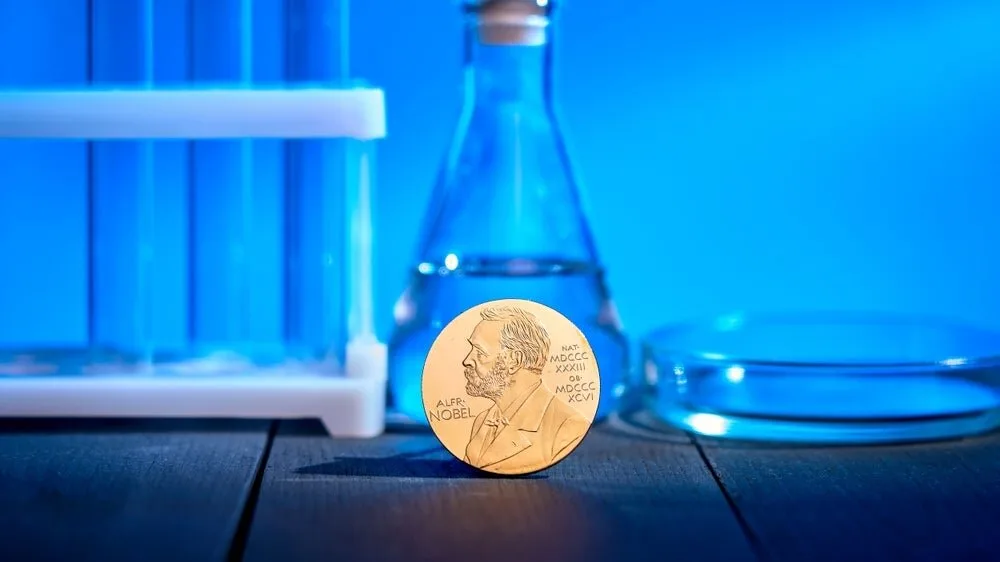
A Nobel discovery in the field of optogenetics has brought new hopes to researchers. This technology works based on light-sensitive proteins that can change the electrical activity of nerve cells in response to light. Peter Hegemann, Georg Nagel, and Karl Deisseroth have made precise control over nerve cells possible through the development of this technology. Now, the idea of stimulating the auditory nerve with light has entered serious study and investigation.
Researchers in various projects are examining whether optical stimulation can improve sound quality compared to electrical stimulation. For example, a research project in Australia is comparing optical and electrical stimulation and studying the auditory nerve cells of mice.
Challenges and Future of Optical Cochlear Implants
Despite the advancements made, optical cochlear implantation has not yet reached the stage of human use. Challenges such as the safety of gene therapy and the long-term stability of light-sensitive proteins need to be examined and resolved. Researchers in European projects are designing prototypes that use light sources and multi-channel optical systems, aiming to create a device that can deliver light with high precision to different points of the auditory nerve.
If these obstacles are overcome, one day individuals using cochlear implants may receive auditory information with highly precise light patterns, leading to a transformation in their lives.
Read more: Yaqoub Andayesh: 338 thousand malnourished children receive free food baskets