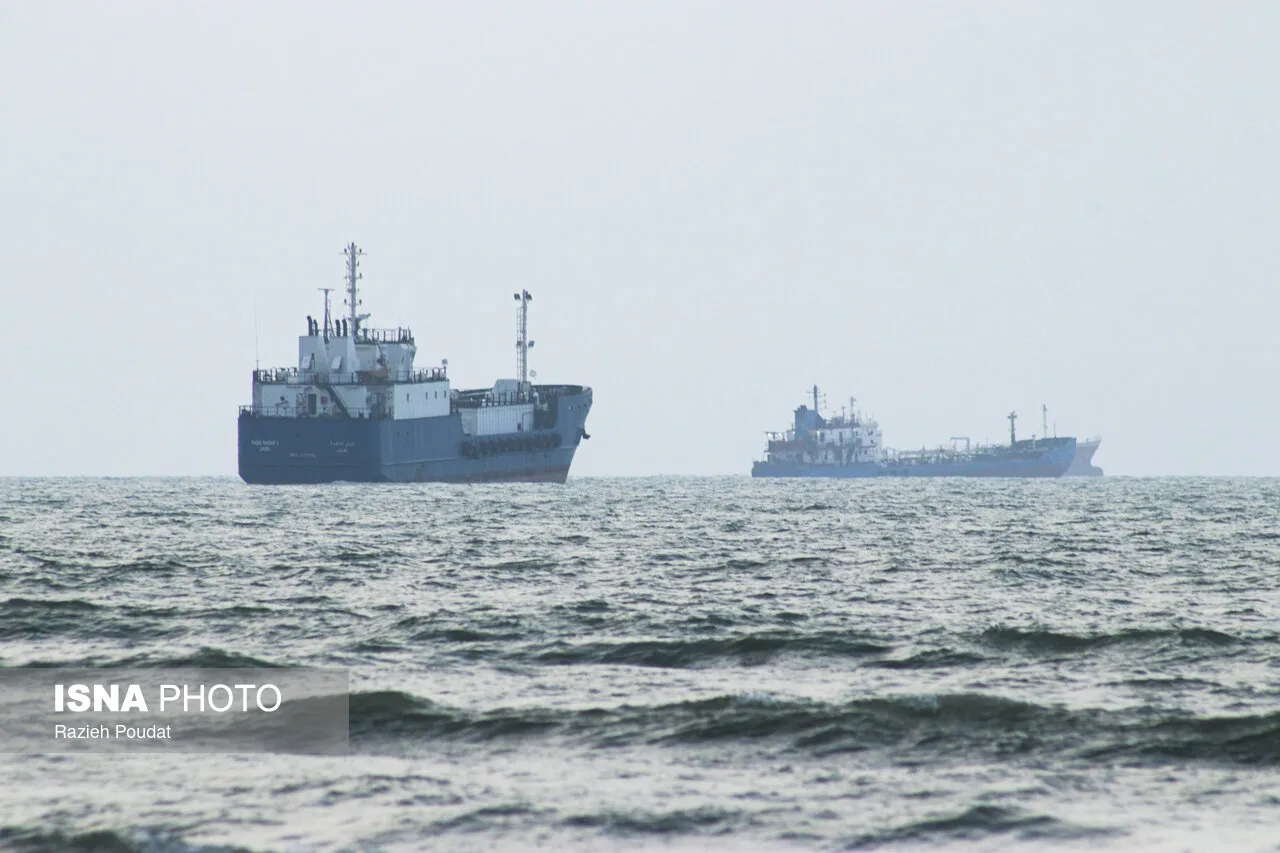
Oman's Minister of Energy recently announced the imminent reopening of the Strait of Hormuz and described the current situation as transient. The Strait of Hormuz, as one of the most important waterways in the world, plays a vital role in global trade and oil transportation, and any change in its status could have widespread consequences.
The Importance of the Strait of Hormuz in Global Trade
The Strait of Hormuz, located between Iran and Oman, is recognized as a vital corridor for oil and gas exports. Approximately 20 percent of the world's total oil passes through this strait, and any disruption in its activities could have major impacts on global oil prices and energy security. In this regard, the statements made by Oman's Minister of Energy could be a sign of decreasing tensions in this sensitive region.
Read more: The U.S. Embassy in the UAE Warns Its Citizens About Israeli Locations
Consequences of the Statements by Oman's Minister of Energy
Oman's Minister of Energy expressed optimism about the future, stating that "the current situation is temporary" and that the reopening of the Strait of Hormuz will soon be realized. These statements could boost confidence in global oil markets and also improve relations between regional countries. On the other hand, this news is seen as a reduction of concerns about potential crises in the near future.
Analysts believe that the reopening of the Strait of Hormuz could help revive oil-dependent economies in the Gulf countries and create a wave of optimism in financial markets. Given that political tensions in this region have always influenced global oil prices, the reopening of the Strait of Hormuz could lead to greater stability in these markets.
Read more: Missile Attack on Saudi Arabia and Declaration of Emergency in Southern Regions · Iran's Defensive Capabilities; A Strategic Suicide for Foreign Vessels