Iran has recently taken a strategic step towards a nuclear ambiguity doctrine. Recent developments in the nuclear file and repeated military threats from the United States have raised the question of whether continuing the transparency strategy in the nuclear field can secure the country's safety. The experience of the past two decades shows that the answer to this question is negative.
Experience of Transparency and Its Consequences
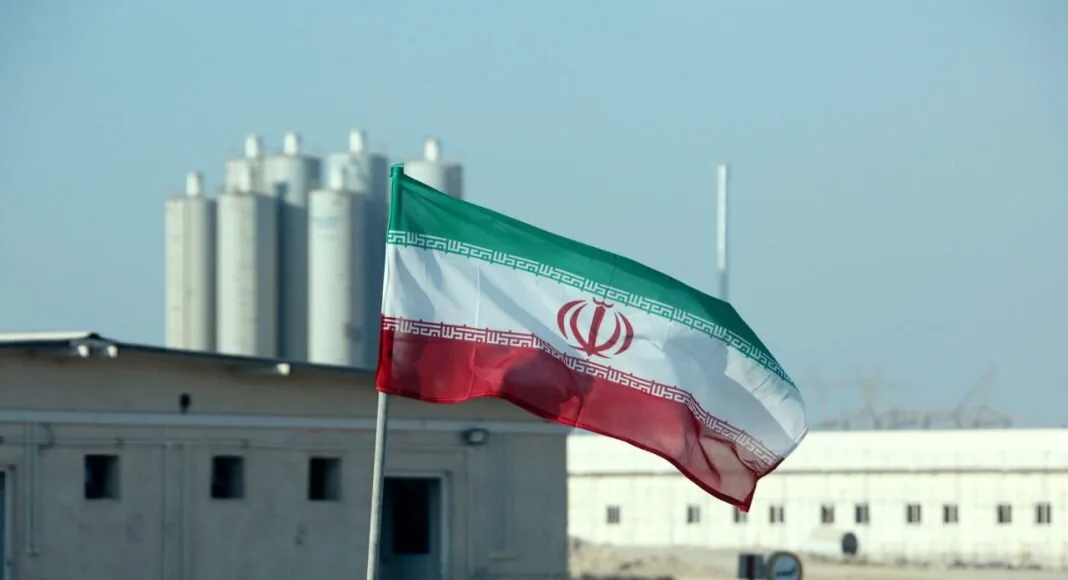
Over the years, the Islamic Republic of Iran has always considered transparency as an approach in cooperation with the International Atomic Energy Agency, but this transparency not only did not yield any rewards but also became a tool for case-making and pressure against the country. Reports from the agency have turned into a pretext for military attacks, and declared nuclear facilities have become targets of the enemy's hostile intentions.
In this context, it seems that moving towards the "nuclear ambiguity doctrine" could be an effective solution. In this doctrine, uncertainty is used as a tool for deterrence. Iran not only does not declare that it is seeking nuclear weapons but also keeps its future status and next steps ambiguous.
Implicit Suspension and Lack of Transparency
Some experts believe that a formal exit from the Treaty on the Non-Proliferation of Nuclear Weapons (NPT) or moving towards overt deterrence could be suitable options, but this path may have high costs. In this situation, "implicit suspension" is proposed as a smart strategy; that is, maintaining a nominal membership in the NPT while gradually reducing and suspending cooperation with the agency, limiting inspectors' access, and halting compliance with their demands.
Transparency should be considered as a bargaining tool and not a permanent commitment. If information is to be provided, it should be in exchange for reciprocal and reversible concessions. Otherwise, transparency will become a weakness.
The ambiguity doctrine has numerous strategic advantages; increasing the enemy's calculation costs, strengthening deterrence, maintaining diplomatic leverage, and reducing the possibility of consensus against Iran are among these advantages. This approach also aligns with theories proposed in the field of international security.
The Martyr Imam has emphasized that in war and against the enemy, there is no place for disclosure and transparency regarding security issues. This perspective should be considered a principle in all actions related to the nuclear issue.
Ultimately, the experience of one-sided transparency indicates that this approach has failed to secure Iran's safety. The nuclear ambiguity doctrine and implicit suspension of cooperation with the agency are considered the most effective ways to increase the costs for the opposing side and maintain Iran's options. Iran does not need to exit the NPT; it is enough not to be transparent about its nuclear future and not to allow the enemy to be aware of its status.