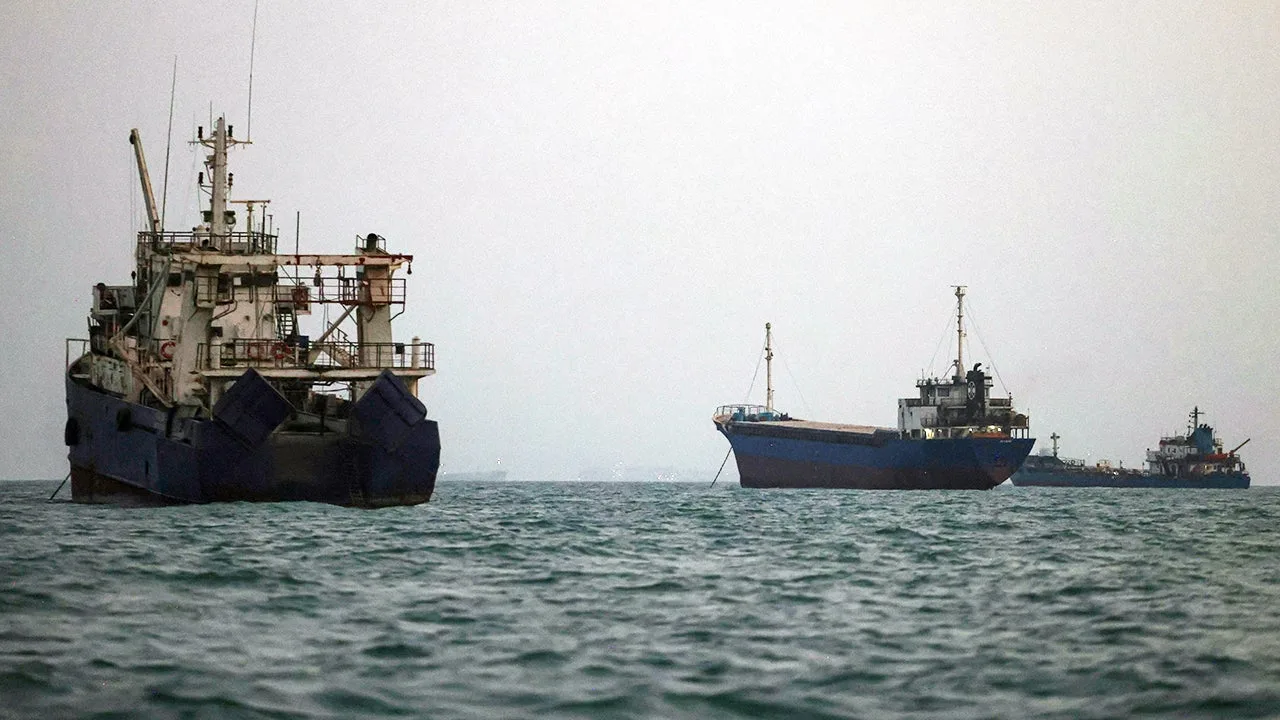
Amid rising tensions in the Middle East, Iran is seriously planning to create a new route in the Strait of Hormuz. This move comes as maritime traffic has been disrupted due to ongoing wars in the region and energy prices have surged significantly.
Iran's Strategic Changes
In pursuit of a "reset" of its military positions, particularly in the Persian Gulf, Iran appears to intend to emphasize its sovereignty in this key region. This action could mean changes in maritime traffic patterns and also impact the global energy market. While the U.S. seeks to increase pressure on Iran in international forums, Tehran seems to be trying to strengthen its position in these critical circumstances.
Rising Energy Prices
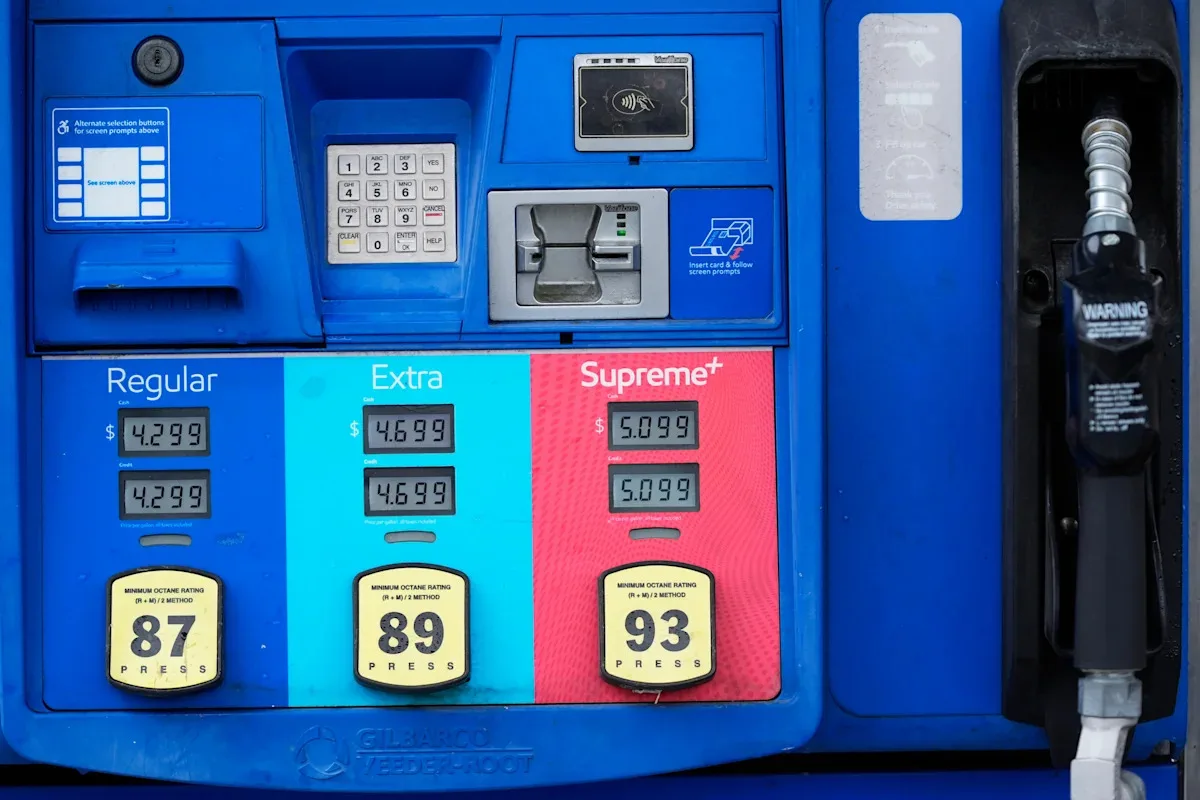
Given the ongoing insecurities and disruptions in maritime routes, global energy prices have risen sharply. This issue, in addition to affecting global markets, could pose serious challenges for countries dependent on energy imports. It seems that with this new strategy, Iran is attempting to somehow emerge from its economic crises and establish itself as a key player in the global energy market.
In this context, increased U.S. pressure on Iran could be seen as a destabilizing factor in the region, while Iran, through similar actions, seeks to demonstrate its strength against external threats. This complex power equation could have unpredictable consequences for the future of the Persian Gulf and the global energy market.