The military and diplomatic challenges between the United States and Iran were the subject of discussion between Mike Anton, former director of policy planning at the U.S. State Department, and Jake Sullivan, National Security Advisor to President Joe Biden. The two officials exchanged views on the consequences of the U.S. and Israel's war with Iran, Tehran's military capabilities, and the prospects for ending the conflict.
The Strait of Hormuz and America's Surprise
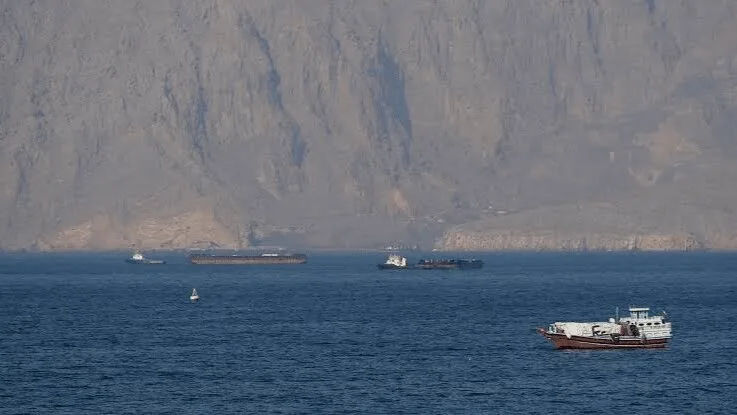
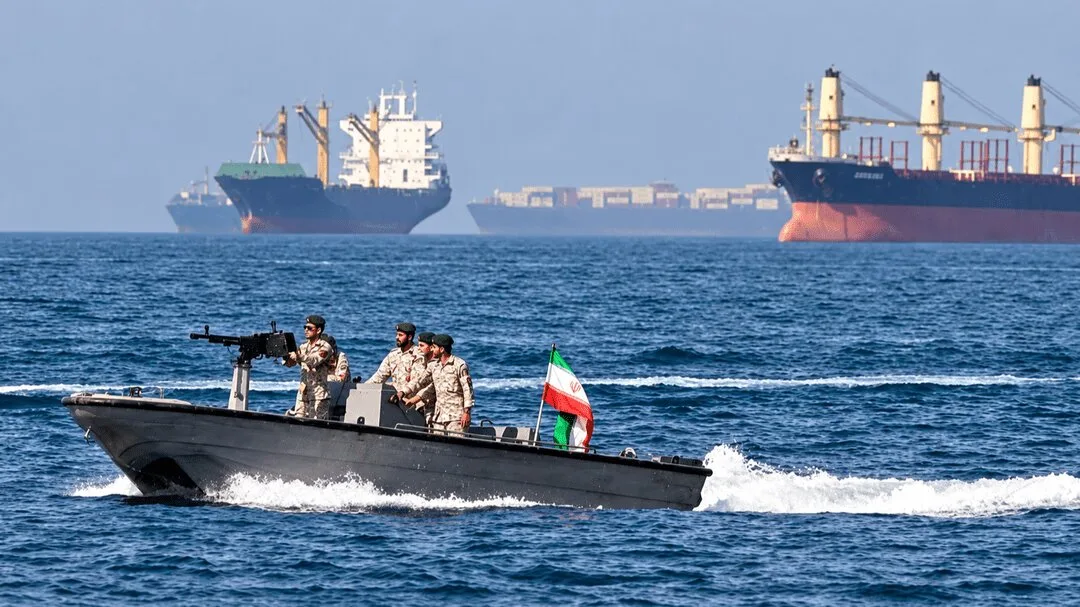
In his assessment of the situation in the Strait of Hormuz, Anton stated: "The U.S. Fifth Fleet is unable to keep the Strait of Hormuz open. I previously thought that one of the reasons for the U.S. military presence in the region was to ensure the strait remained open, but now we see that this is beyond our capability." He admitted to his surprise in this regard, adding: "Perhaps I was naive in my thinking, but yes, I was somewhat surprised."
Read more: The UN warns against the Israeli regime's obstruction in the UNIFIL mission
Sullivan also emphasized that Iran's ability to block the Strait of Hormuz was one of the major risks before the war began and that the U.S. President had been warned about it. He also stated that a war against Iran does not serve America's national interests and has imposed additional costs on American citizens.
The Impact of War on U.S.-Israel Relations
Anton further referred to the relationship between the U.S. and the cabinet of Benjamin Netanyahu, the Prime Minister of Israel, saying: "My impression is that Netanyahu does not want an endless war with Iran and prefers a change of government in Iran if possible." He added that Netanyahu and the U.S. believed they could quickly achieve the goal of regime change in Iran during the recent war, but this did not happen.
Sullivan also pointed to U.S. operations in Venezuela and similar challenges in Iran, stating: "Freedom of navigation in the Strait of Hormuz is now facing a persistent doubt, and it is possible that the U.S. may exit the war without being able to provide a clear outcome for it."
At the end of this discussion, Anton emphasized that even if an agreement is reached, weakening Iran's nuclear and missile programs could reduce the country's capabilities in the long term. He also referred to the concerns of America's allied countries in the region about Iran, stating that these concerns stem from historical and religious reasons.
Read more: The French Prime Minister announced the possibility of extending the curfew regulations · Alireza Monadi announced a plan to attract 320,000 foreign students