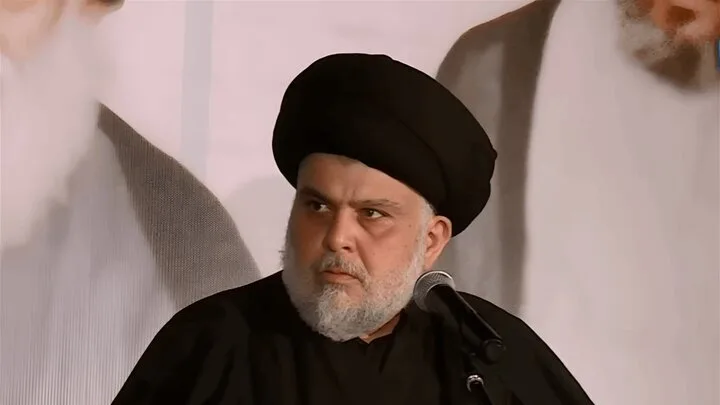
Muqtada al-Sadr, the leader of the Sadrist movement in Iraq, announced the end of the presence of American forces in Iraq and the withdrawal of the anti-Daesh coalition, revealing the dissolution of one of the groups affiliated with this movement while also calling for compensation for the damages caused by the U.S. occupation of Iraq.
Consequences of the U.S. Withdrawal from Iraq
The withdrawal of the U.S.-led anti-Daesh coalition from Iraq marks a turning point in the political history of this country. This action not only affects Iraq's domestic policies but also signifies the end of the U.S. military presence in the region. In this context, Muqtada al-Sadr emphasized that it is time for the U.S. to pay compensation for the damages it has inflicted on Iraq. He presented this issue as a legal right for the Iraqi people.
Read more: U.S. Withdrawal from the European Council's Anti-Corruption Body
Dissolution of Affiliated Groups and Political Reconstruction
The dissolution of the group affiliated with the Sadrist movement, which is part of this leader's efforts to organize the political structure of the country, reflects his desire to reduce internal tensions and strengthen national unity. Muqtada al-Sadr stressed that Iraq must move towards reconstruction and sustainable development, and this action could be an important step in that direction.
In this regard, Muqtada al-Sadr has also sent messages to neighboring countries, calling for greater cooperation in economic and security fields. He believes that only through cooperation and solidarity can the existing challenges in the region be addressed and a better future for the nations of the region be built.
Given recent developments, it seems that the political future of Iraq will be influenced by Muqtada al-Sadr's decisions and the reactions of other political and social actors in the country. These developments will not only impact Iraq but also the entire region and may lead to new changes in international relations.
Read more: Saudi Official Denies Meeting with Netanyahu in the UAE · Tripling of Missile Production in the U.S. Despite Stockpile Crisis