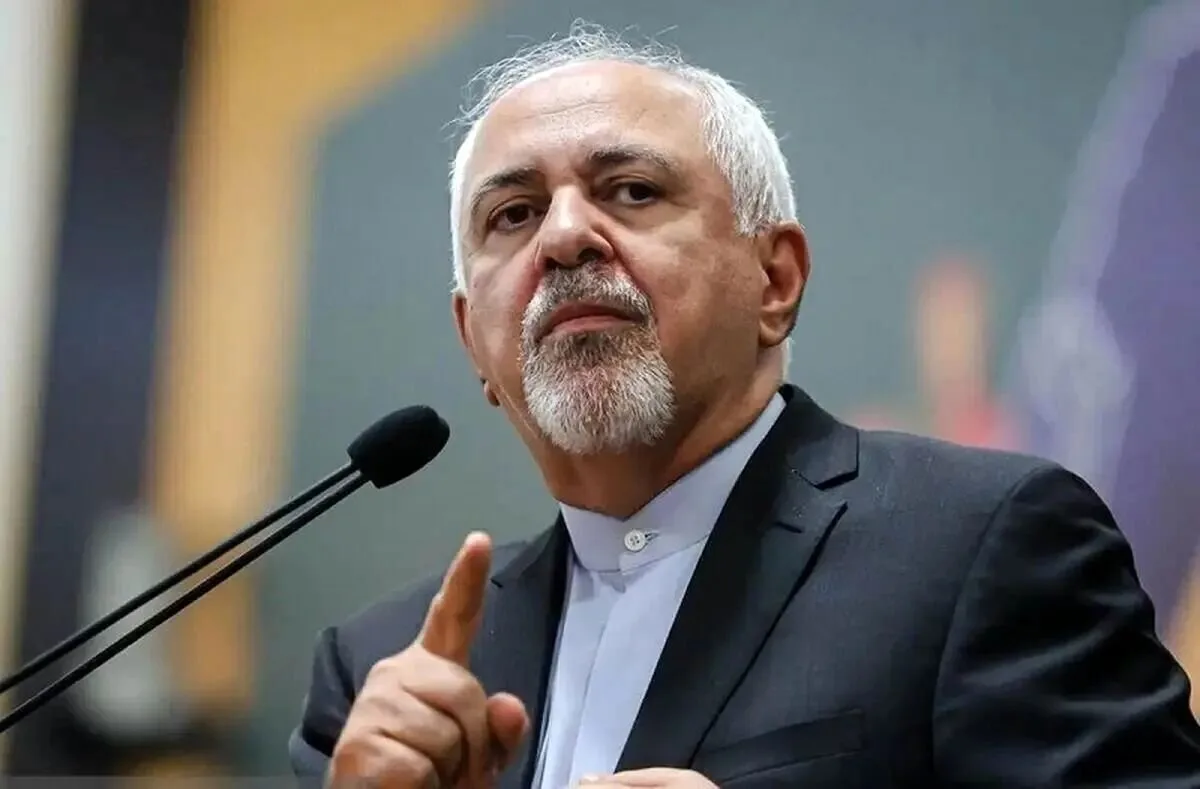
Mohammad Javad Zarif, former Foreign Minister of Iran and head of the Payab Think Tank, reacted to the recent insults from Donald Trump, the former President of the United States, by using the phrase 'Bully-in-Chief' instead of his official title 'Commander-in-Chief'. This remark came after Trump's statements at the United Nations General Assembly, where, according to Zarif, the U.S. President likened the meeting to a battlefield and made threats against the Iranian nation.
Trump's Insults and Zarif's Reaction
In his speech at the United Nations General Assembly, Trump referred to the Iranian nation in an aggressive and insulting tone, effectively threatening to 'destroy' them. Zarif criticized this approach, pointing out that Trump has made a mistake by confusing the General Assembly with taunting in Stone Age wars. He wrote: 'The Bully-in-Chief' has threatened to commit the mother of all war crimes by destroying a nation.
Read more: Tears of the Mothers of Martyr Students in Lamerd at the Beginning of the School Year
Iran's Diplomatic Message
Zarif also pointed out that the President of Iran, in response to these insults, set aside his prepared speech to tell the world: 'Iran is always ready for diplomacy, but never threaten the Iranians.' This statement was not only a response to Trump's threats but also demonstrated Iran's willingness to maintain diplomatic and peaceful relations with other countries.
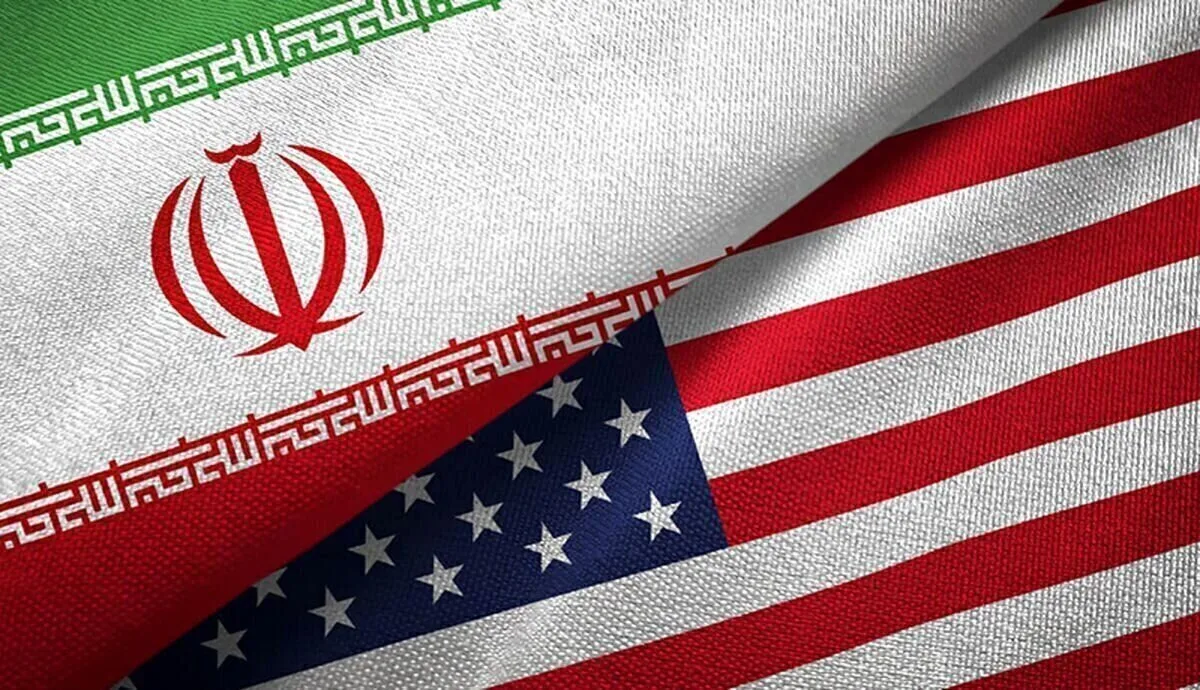
This reaction from Zarif to Trump's insults once again drew attention to Iran's foreign policies and the challenges it faces on the international stage, especially since Trump's remarks at the United Nations General Assembly reflect his hostile approach towards Iran, which seems to remain on the agenda of U.S. foreign policy.
Consequences of Threats and Diplomacy
Paying attention to the consequences of Trump's threats and the responses from Iranian officials in this regard can be useful for analysts and politicians. How Iran confronts international threats and pressures, and based on what strategies it makes decisions, are topics that need to be carefully examined. Iran's diplomacy in these circumstances reflects a willingness to engage in dialogue and cooperation with other countries while safeguarding national interests and responding to threats.
Ultimately, these reactions and statements represent an important reality; in today's world, diplomacy and dialogue are the only ways to confront international tensions and threats. Iran, with this approach, seeks to maintain its position on the global stage and actively participate in international negotiations.
Read more: Cartoon of the Week: The Rift Between Society and Mandatory Hijab · Pezeshkian: We Have Positive Agreements with Iraq, Armenia, and Switzerland