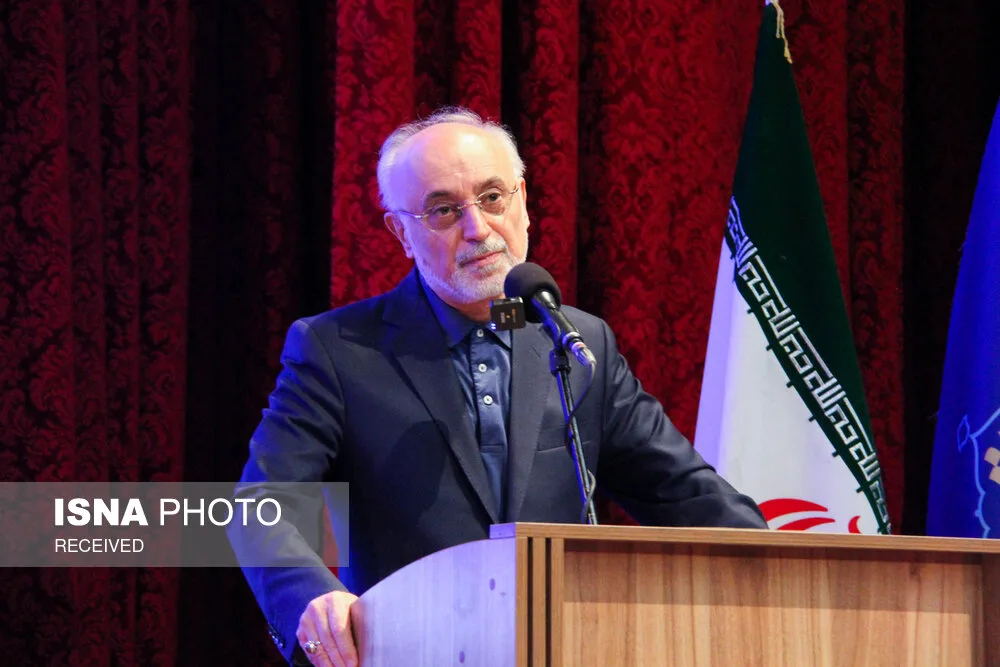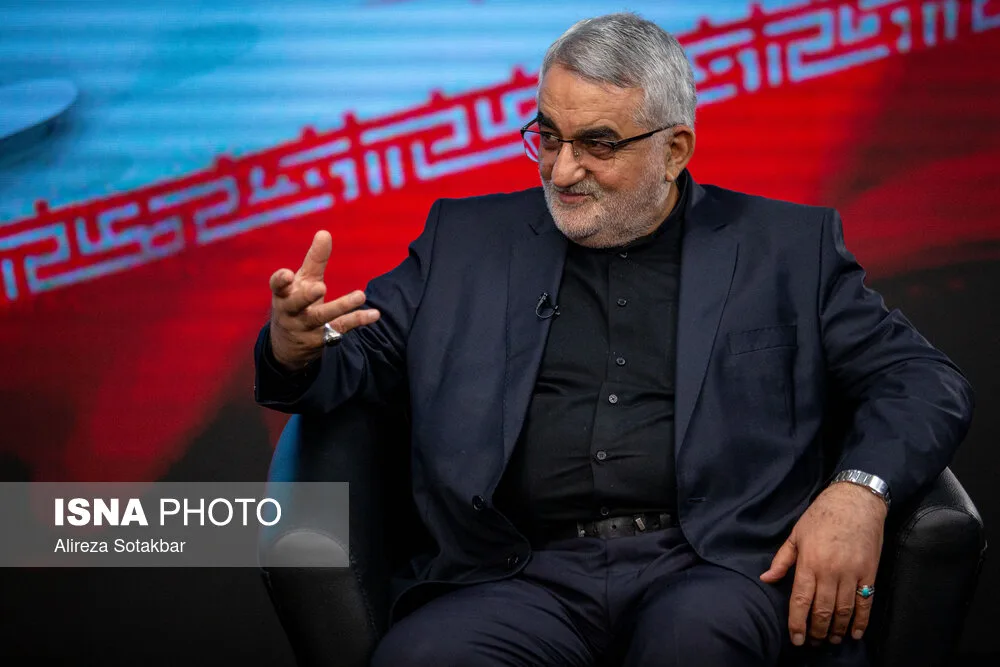
Mohammad Amin Aghamiri, Secretary of the Supreme Council and the National Cyber Space Center, elaborated on the reasons for the internet shutdown in December. He announced that this action was taken for the management of the situation by security forces, and in crisis conditions, security institutions are responsible for this management.
Crisis Management and National Security
Aghamiri stated that under normal circumstances, such coercive actions are not taken, but when people's lives are at risk, this type of management becomes necessary. These remarks were made especially in light of the widespread criticisms that arose from the internet shutdown and communication restrictions at that time. He explained that these actions were essential for maintaining the security and health of the people.
Social and Economic Consequences of the Internet Shutdown
The internet shutdown and communication restrictions always have significant social and economic consequences. Businesses and economic actors, especially in the digital realm, are severely affected by these restrictions. Aghamiri mentioned that a balance must be struck between security and citizens' rights, and this requires collaboration and synergy among various institutions.
For example, in many countries, internet shutdowns due to protests and unrest have become a norm, which can lead to a decrease in public trust in government institutions. Aghamiri also emphasized the importance of communication in today's world, stating that it should not be forgotten that the internet plays a very important role as a communication tool and as a means for economic and social development.
In conclusion, the Secretary of the Supreme Council and the National Cyber Space Center noted that crisis management requires comprehensive cooperation among government, private sector, and civil society institutions to effectively respond to security and social needs and to prevent further crises.