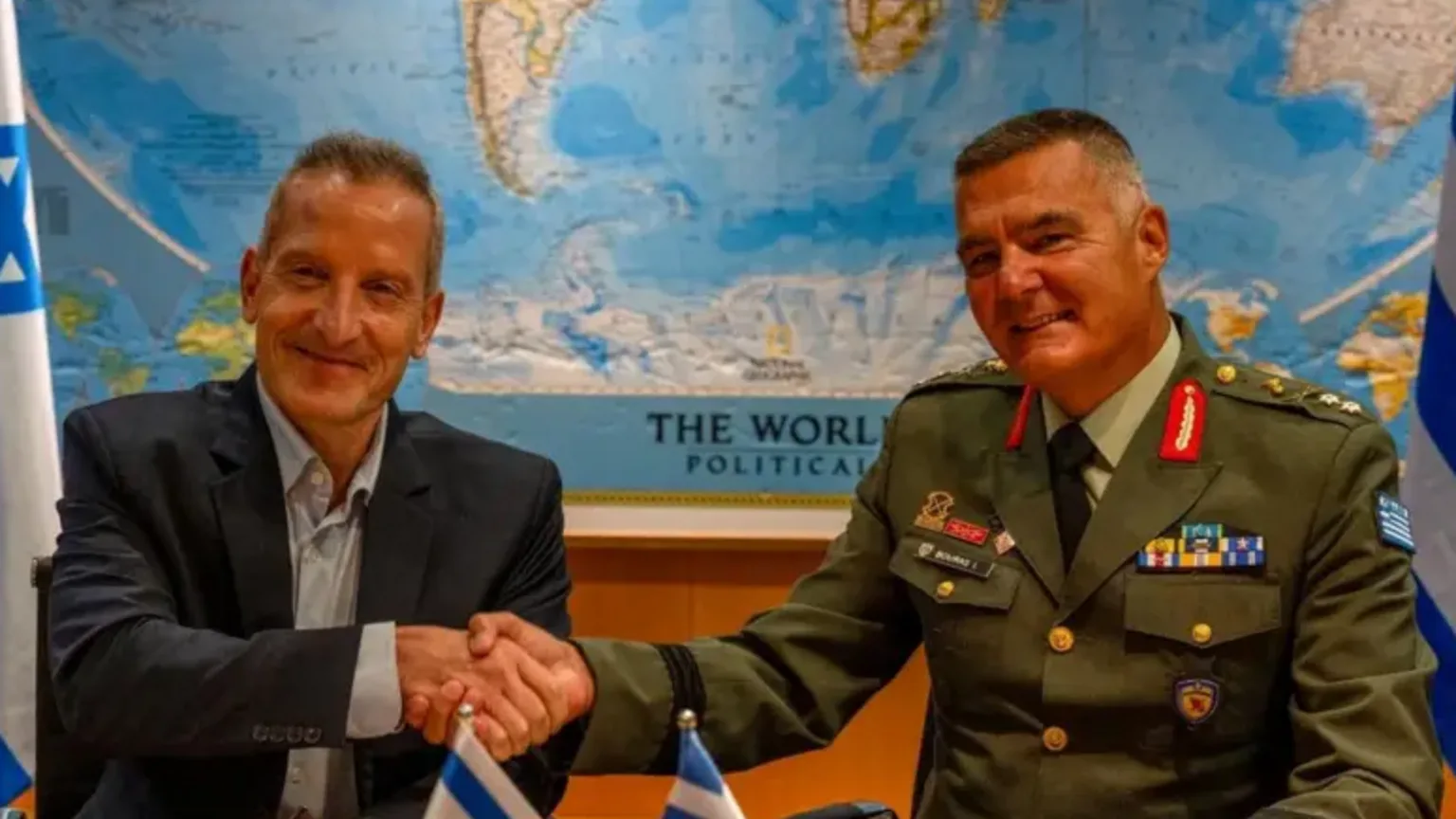
In the last week of August 2026, Greece signed an agreement worth approximately €3 billion with Israel to build the "Achilles Shield" air defense system to strengthen its national defense. This agreement has generated a wave of analyses and questions in the international arena, particularly as tensions between Greece and Turkey have reached a peak.
Details of the Agreement and Its Consequences
The Israeli Ministry of Defense announced in a statement that this agreement includes the construction of a comprehensive air defense system designed based on the operational experience of the Israeli army in wars. Benjamin Netanyahu, the Prime Minister of Israel, described this agreement as one of the largest agreements in Greece's history and emphasized its importance for strengthening regional alliances.
Read more: Trump in a Political Bind: An Unprecedented Siege
Nikos Dendias, the Greek Minister of Defense, noted that his country is the first EU member state to use a system similar to the Israeli systems. This agreement, especially as Greece has raised its military spending to 3.5% of GDP, reflects Athens' efforts to enhance its defensive capabilities against regional threats.
Impact on Turkey-Greece Relations
The Greece-Israel agreement was signed amid rising tensions between Israel and Turkey. Particularly after Israel bombed the Abu Dhuhur airbase in Syria, relations between the two countries soured. Aref Al-Abid, a political science professor, believes that this agreement may affect Turkey-Greece relations, especially if parts of the system are deployed near Turkey.
This system, in addition to strengthening Greece's defensive capabilities, could serve as a deterrent message to Ankara. However, Al-Abid believes that this agreement alone will not be a reason for new tensions between the two countries. He also pointed to the role of other threats, including Iran, which has encouraged Athens to strengthen military cooperation with Israel.
Ultimately, this agreement not only helps strengthen the political position of Kyriakos Mitsotakis, the Prime Minister of Greece, but also reflects broader changes in the balance of power in the Eastern Mediterranean that could impact future relations between Turkey and Greece.
Read more: The Fall of Al-Mokha: What Secrets Did Ansar Allah and the Worn-out Yemeni Brigades Reveal? · Turkey Warned the U.S.; What Are the Consequences of Extending the Arms Embargo on Cyprus?