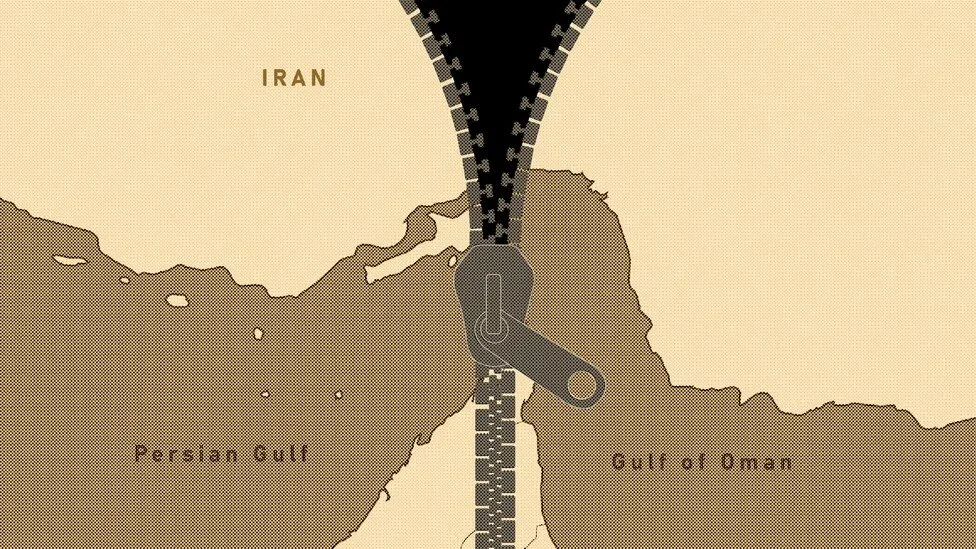
Michel Wiese Boekman, a shipping analyst and expert on sanctioned oil trade, recently stated in a new analysis that the shipping license issued by the United States for Russia does not mean that freedom of navigation in the Strait of Hormuz will soon be restored. This issue, especially in the current conditions where geopolitical tensions in the Middle East are rising, raises significant concerns.
Movement of Russian Diesel Shipments Towards the U.S.
New analyses indicate that the first shipment of Russian diesel heading towards the East Coast of the United States is likely to arrive within the next 72 hours. This shipment, monitored by Windward's artificial intelligence, signifies significant changes in the energy market and its impact on international relations.
Read more: The deadly storm 'Isaias' swept through Florida and challenged lives
Consequences of Lack of Freedom of Navigation
Michel Wiese Boekman emphasizes that this license is by no means a sign of a return to normalcy in the Strait of Hormuz. He points to the geographical and political complexities of the region, which is considered one of the most important shipping passages in the world. Currently, shipping security is severely affected by tensions and international sanctions, and no one can predict when the situation will return to normal.
Analysts believe that the continuation of this situation could have serious impacts on global oil and gas prices. While some countries are trying to find alternative solutions for their energy supply, it seems that the existing tensions in the Middle East will continue to affect the global energy market.
Ultimately, Michel Wiese Boekman, expressing concern over the current situation, points out that without a comprehensive and sustainable international agreement, expecting a return to normalcy in the Strait of Hormuz seems unrealistic. This issue will affect not only global trade but also the energy security of various countries.
Read more: The Trump administration lifted air travel restrictions on Lebanon · Fatemeh Mohajerani: We are correctly navigating through difficult historical junctures