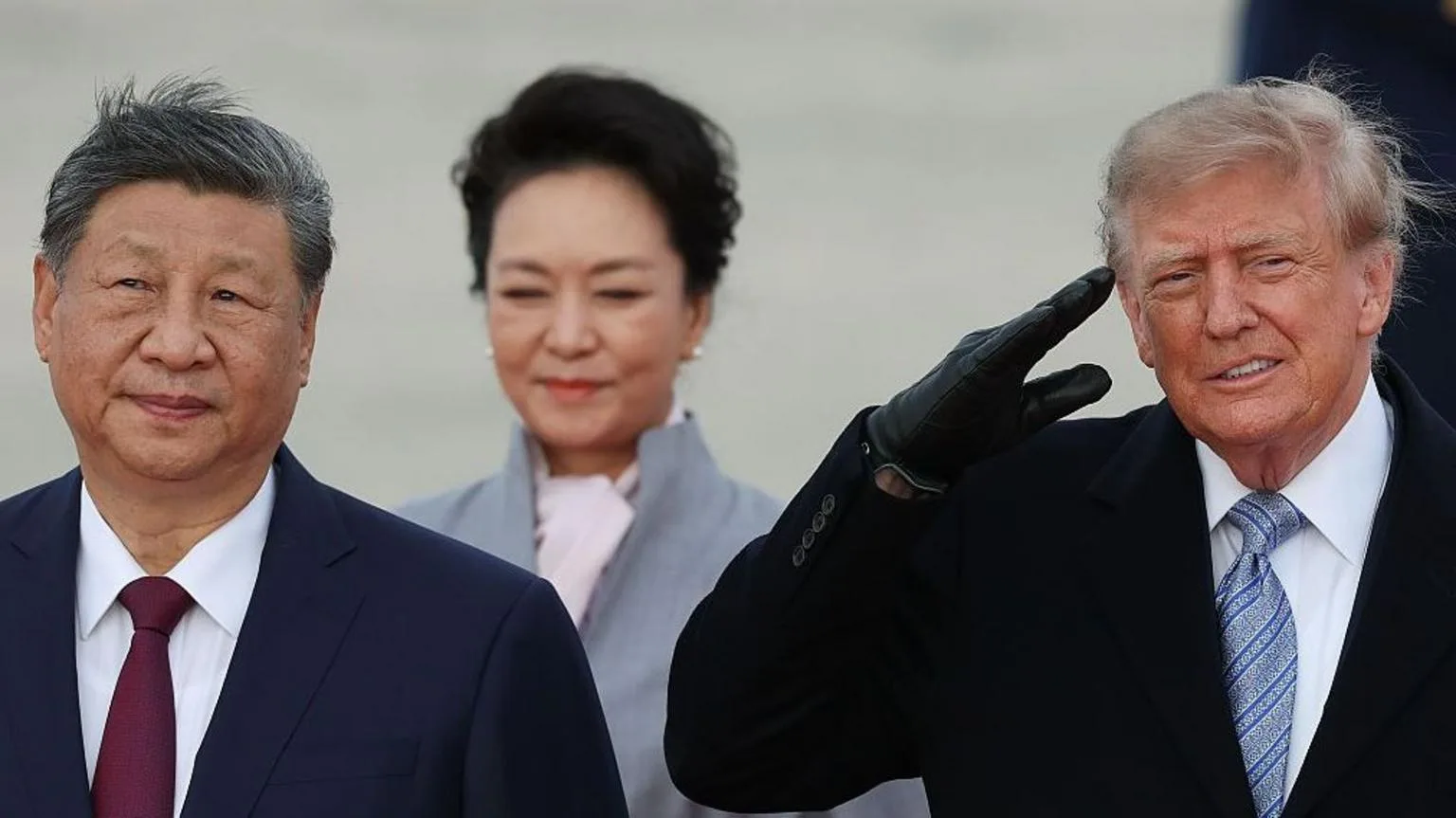
Xi Jinping, the President of China, will meet with Donald Trump, the President of the United States, during his recent visit to Washington. In this meeting, Iran is presented as one of the significant tests of U.S.-China relations. American media have examined how China can defend its economic relations with Iran while at the same time, how far Trump is willing to damage his relations with Beijing to increase pressure on Tehran.
Two Contradictory Narratives of Iran-China Relations
There are two different narratives in American media regarding China's role in relations with Iran. One of these narratives emphasizes that China is the most important remaining economic lifeline for Iran, and without Beijing's cooperation, Washington's efforts to economically isolate Tehran will face serious limitations. In the other narrative, the extensive and sensitive relations between the U.S. and China are such that neither Trump nor Xi is particularly inclined for Iran to become the main focal point of disputes in this meeting.
Read more: Zelensky rejected Trump's request to stop attacks on Russian energy infrastructure
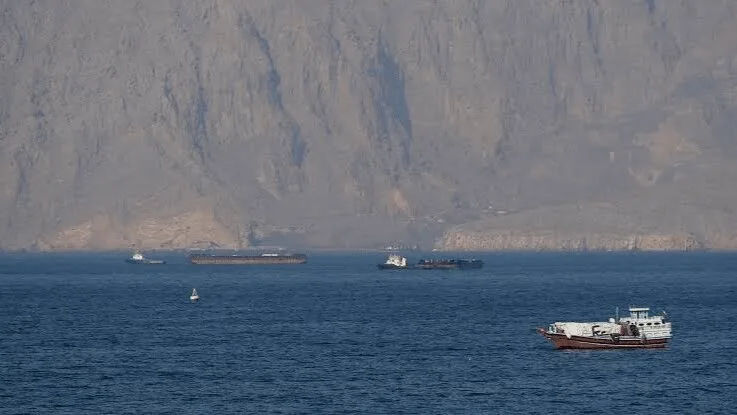
In a report from The Washington Post, China is introduced as the "largest trading partner of Iran" and the main buyer of its oil. Before the war began, China was importing about 1.4 million barrels of oil from Iran daily on average. This trade has its own specific difficulties due to the complexities present in a network of oil tankers and intermediary companies.
New Challenges for Trump and Xi
Thus, China is fundamentally important for the success of Washington's economic pressure policy. However, the challenge facing the Trump administration is that isolating Iran from this economic support may require sanctions on major Chinese banks and refineries. Such an action could reignite trade disputes between the two powers while Trump and Xi are trying to stabilize the economic relations of the two countries.
On the other hand, The Wall Street Journal has addressed other aspects of Tehran and Beijing relations, including technology and military information exchange. This newspaper recently linked images of Iran's missile attack on the successful Sultan base in Jordan to Chinese satellites. This attack resulted in the deaths of three American soldiers and has become one of the friction points ahead of the Trump-Xi meeting.
However, while China is recognized as the largest buyer of Iranian oil, Iran's dependence on China is not as significant. In recent years, Xi Jinping has turned one of China's vulnerabilities into a tool for increasing the country's resilience by creating vast oil reserves and reducing energy dependence.
Ultimately, it is expected that the issue of Iran will not be on the agenda in this meeting. Analysts believe that the immediate priorities of both sides will include trade, tariffs, artificial intelligence, and other matters. Therefore, how Trump addresses the issue of Iran in this meeting is of particular importance. If Washington focuses its pressure on small Chinese companies and refrains from targeting large entities, Iran may not become a new front in the U.S.-China competition.
Read more: Elimination of hopes and hidden profits; the names of Hossein Abdi, Hoshang Saadati, and Shahab Zandi under the microscope of fans · Tehran Metro welcomed students with flowers