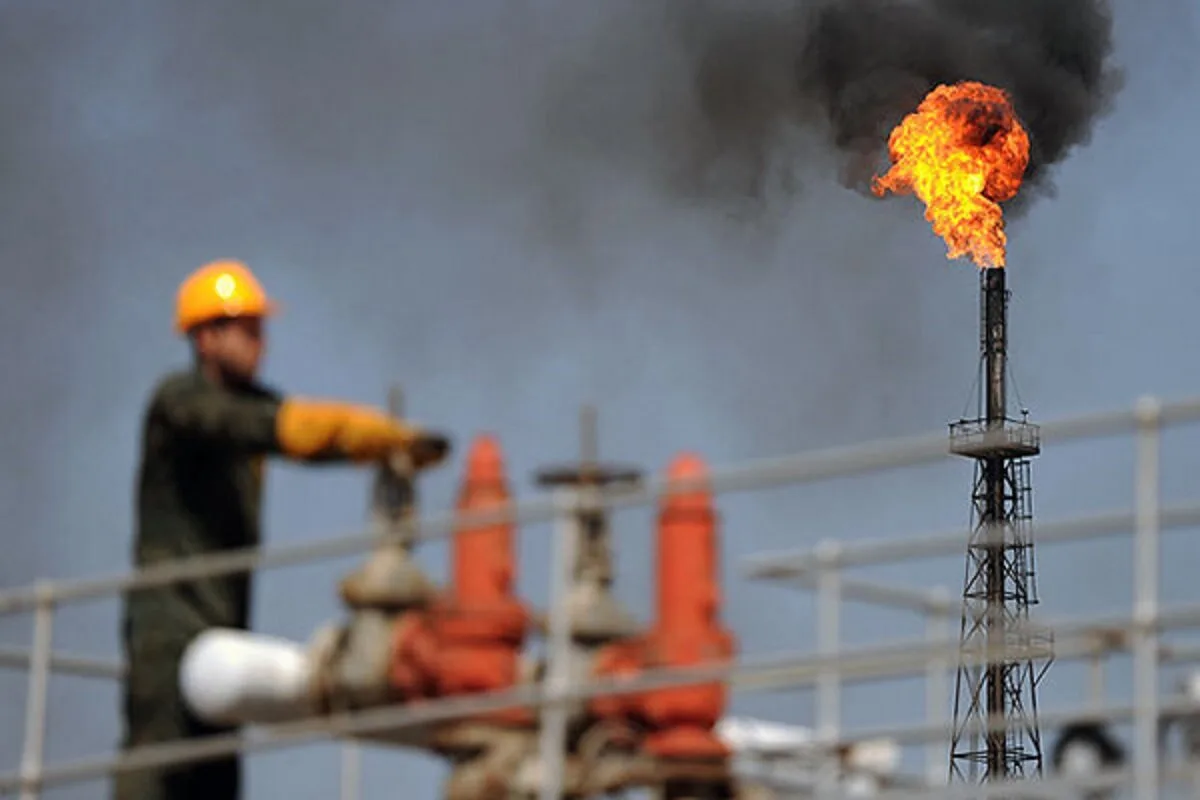
Measures for securing gas in Mazandaran, Golestan, and North Khorasan are being pursued vigorously. The exit of about 230 million cubic meters from the country's gas production capacity, due to attacks on 4 gas refineries in Assaluyeh in the last days of Esfand 1403, has made the situation for securing gas in these areas more critical. The northern provinces, especially Golestan with a population of about 1,869,000, normally require 5 million cubic meters of gas daily, which can rise to 16 to 20 million cubic meters during cold days and peak consumption.
Efforts to Prevent Gas Outages
Saeed Tavakoli, the head of the National Iranian Gas Company, has announced that about 95 million cubic meters of gas capacity has returned to the cycle so far. In this situation, meetings are being held with the presence of the Minister of Interior and senior managers of the Ministry of Oil and the deputy governors of Mazandaran, Golestan, and North Khorasan to review the necessary plans for securing gas in these provinces. The use of alternative fuels, strengthening electricity supply, and managing consumption are among the proposed solutions in these meetings.
Read more: The large-scale exercise of Iran's martyrs began under the command of General Hassan Hassan Zadeh
Preparation for a Harsh Winter
Seyed Mahdi Mohiayi, the deputy governor of Golestan, referring to the possibility of a 60 to 90-day gas outage in these provinces, stated: "We hope that with the actions taken, we will not face gas outages in the upcoming winter and can successfully get through this period." The use of second fuels for industries and the storage of fuels such as liquefied gas is also underway. In North Khorasan, total gas consumption reaches about 8.8 million cubic meters per day, and this province has also planned comprehensive programs for securing fuel for various sectors.
Hezbar Javadi, the CEO of Mazandaran Gas Company, described the winter of 1405 as the "toughest gas year" and emphasized the necessity of equipping all non-residential subscribers with second fuels. According to him, "over 92 percent of gas subscribers in the province are residential, and the priority of the gas company is to maintain the stability of gas supply to households."
Ultimately, statistics show that each degree drop in temperature can compensate for about 25 percent of the gas deficit. Therefore, managing consumption and raising awareness in this regard is very important. If it is possible to reduce energy consumption by even 10 percent through informing citizens, positive results will be observed in managing energy imbalance and increasing the stability of the network.
Read more: The exercise "My Life for Iran" and its strategic messages in Tehran · Gas in the middle: negative value for 118 consecutive days!