Maximo Torero, the economic director of the Food and Agriculture Organization of the United Nations (FAO), announced the impossibility of achieving the "Zero Hunger" goal by 2030 ahead of the Global Food Conference taking place on October 16 in Rome. He stated, "We will not achieve the zero hunger goal." This comment comes as 10 years ago, UN member countries set this goal.
Serious Barriers to Reducing Hunger
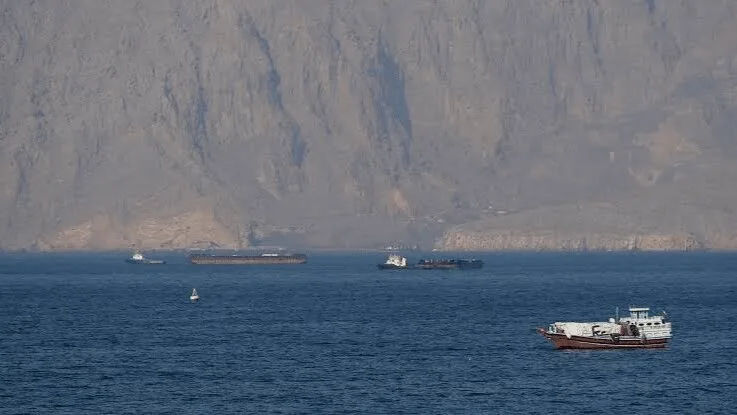
Torero pointed to major challenges currently hindering the reduction of hunger worldwide. He mentioned that disputes in the Strait of Hormuz and the Black Sea are serious obstacles to the transportation of agricultural fertilizers and grains. The Strait of Hormuz, through which a large portion of agricultural fertilizers from Gulf countries is transported, is currently blocked, leading to increased prices of agricultural fertilizers and, consequently, making agricultural products unaffordable in poor countries.
Read more: Volodymyr Zelensky: No country in Europe can counter Iran's missiles and drones
Additionally, the war in Ukraine has also negatively impacted grain exports. Until 2022, 90 percent of Ukraine's grain exports, known as the "breadbasket of Europe," were conducted through this route. However, since early October this year, ships carrying corn and wheat from Ukraine have been heavily targeted by Russian drone attacks.
Economic and Human Challenges
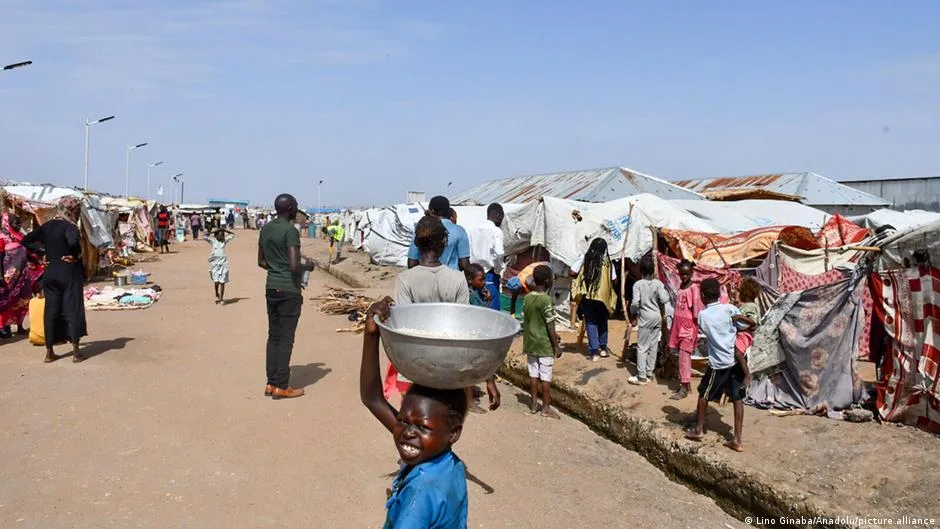
Torero also referred to the rising fuel prices and their consequences for poor countries. The increase in oil and gasoline prices, along with the rising costs of agricultural fertilizers and grains, has intensified the food crisis in developing countries. Countries like South Sudan, Yemen, and the Gaza Strip, which previously required urgent assistance, are now facing even more serious crises.
Meanwhile, the reduction in financial aid to humanitarian organizations has exacerbated the situation. According to a report from the World Food Program, funding for humanitarian food assistance has decreased by 60 percent in 2025. This reduction has created a serious challenge for meeting food needs in crisis-hit countries.
Maximo Torero emphasized: "We need to find a way to close this financial gap. The issue is about immediate and short-term problems, and we want to prevent a short-term issue from becoming a long-term problem." He hopes that the global community can find new ways to address food challenges in the current crisis.
Read more: Foad Hussein: Iraq suffered $60 billion in damages in the U.S. war against Iran · United Nations: 2.7 million Afghan refugees returned home this year