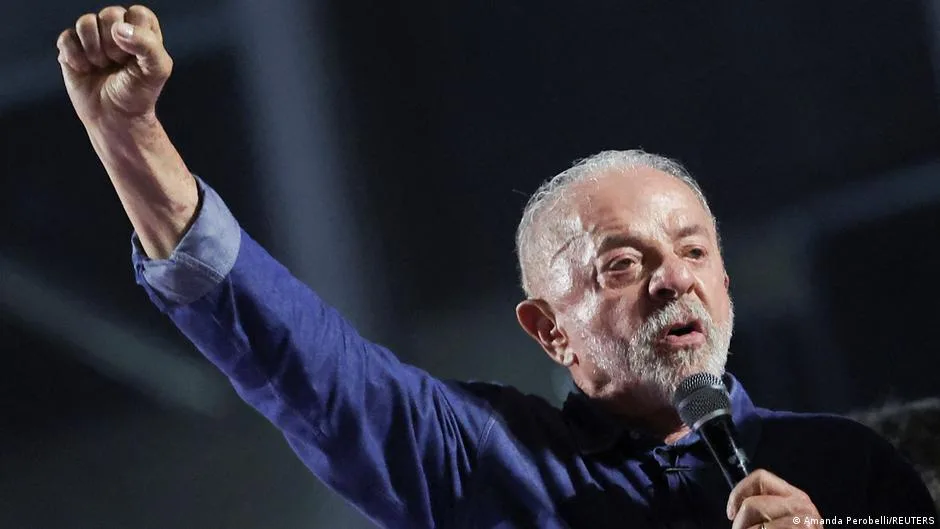
Luiz Inácio Lula da Silva was elected President of Brazil for a fourth time. In the second round of the election, he won 51.8% of the votes, defeating Flávio Bolsonaro, son of former far-right President Jair Bolsonaro, and was reinstated in his position.
Post-Election Developments
Jair Bolsonaro has been sentenced to over 27 years in prison for attempting a coup and is currently under house arrest due to medical issues. Bolsonaro refused to accept his defeat against Lula and stated in Brasília, the capital of the country: "Accepting this result is impossible. I will request the annulment of this election." He cited the "last-minute decision" of the Supreme Court to extend the voting time by two hours as the reason for this action, calling it "unprecedented."
Read more: Ibrahim Raisi's message to Lula da Silva regarding victory in the Brazilian elections
Public Participation and Election Process
Polls indicate that the unexpectedly high public participation in the elections paved the way for Lula's victory. Both candidates had previously called for an extension of voting time in some areas. The reason for this request was disruptions in public transportation and adverse weather conditions in parts of the country. However, Bolsonaro's campaign only requested an increase in voting hours for specific states where heavy rains, floods, and power outages had apparently disrupted the election process.
Casio Nunes Marques, the head of the electoral court who was appointed to the Supreme Court during Jair Bolsonaro's presidency, stated that extending the voting time had no impact on the final result. Lula, who turns 81 this week, called his election victory a "referendum for democracy" and said that the people of Brazil voted to "protect democracy." Meanwhile, his supporters celebrated this victory in the streets.
This election was seen as a turning point in determining Brazil's political trajectory. Lula, the leftist president, gained significant points with his economic achievements. During his presidency, unemployment reached its historical low, and poverty decreased. Additionally, parliament approved a gradual reduction of the workweek to five days with two days off.
Dissatisfaction with rising living costs remained high, and heavy government debts put pressure on his administration. Public security was one of the most important campaign issues, as criminal organizations have significant influence in parts of the country. Lula announced his intention to establish a special ministry for public security.
Read more: Iraqi presented a 7-day plan to reopen the Strait of Hormuz · Lula da Silva and new challenges for U.S. influence in Latin America