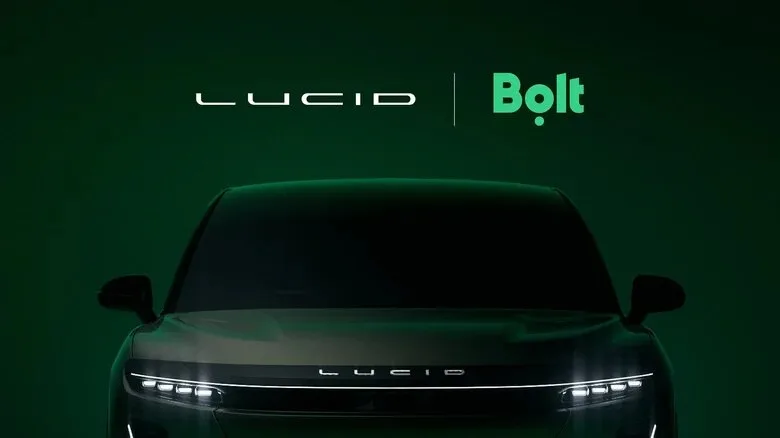
Lucid and Bolt have recently announced that they are collaborating and plan to deploy at least 25,000 self-driving taxis or robotaxis across the continent of Europe. This initiative is aimed at transforming urban transportation and reducing reliance on traditional vehicles. Given the rapid advancements in self-driving technology, the two companies are looking to create a wide network of self-driving taxis that can help change the way passengers are transported.
Development of Self-Driving Technology
This collaboration between Lucid and Bolt not only represents progress in the field of self-driving technology but could also help reduce traffic and air pollution in major European cities. Lucid, known for producing luxury electric vehicles, has extensive experience in designing advanced cars. On the other hand, Bolt, as one of the popular transportation service platforms in Europe, with access to a large user base, can quickly bring this technology to market.
Read more: iPhone 18 Pro Max, Galaxy S26 Ultra, and Pixel 11 Pro XL: The Battle of Expensive Flagships
Challenges and Future Outlook
However, the introduction of this number of self-driving taxis onto European streets comes with challenges. One of the most significant challenges is the legal and regulatory issues in various European countries. The laws regarding self-driving vehicles are not yet fully defined, and this could significantly impact the timing of these vehicles entering the market. Additionally, safety and public acceptance of this type of vehicle are also issues that need to be addressed.
Although the exact timing of these robotaxis entering European streets is still unclear, this step could mark the beginning of a revolution in transportation. With an increasing focus on innovative technologies and the need for sustainable transportation, the collaboration between Lucid and Bolt can be seen as a successful example of integrating technology and transportation services. Ultimately, these efforts could facilitate mobility and improve the quality of life in densely populated European cities.
Read more: New Acquisition by Vertiv: The Secret Power of AI in the Future! · London Against Electric Bicycles: 3,393 Bicycles Seized