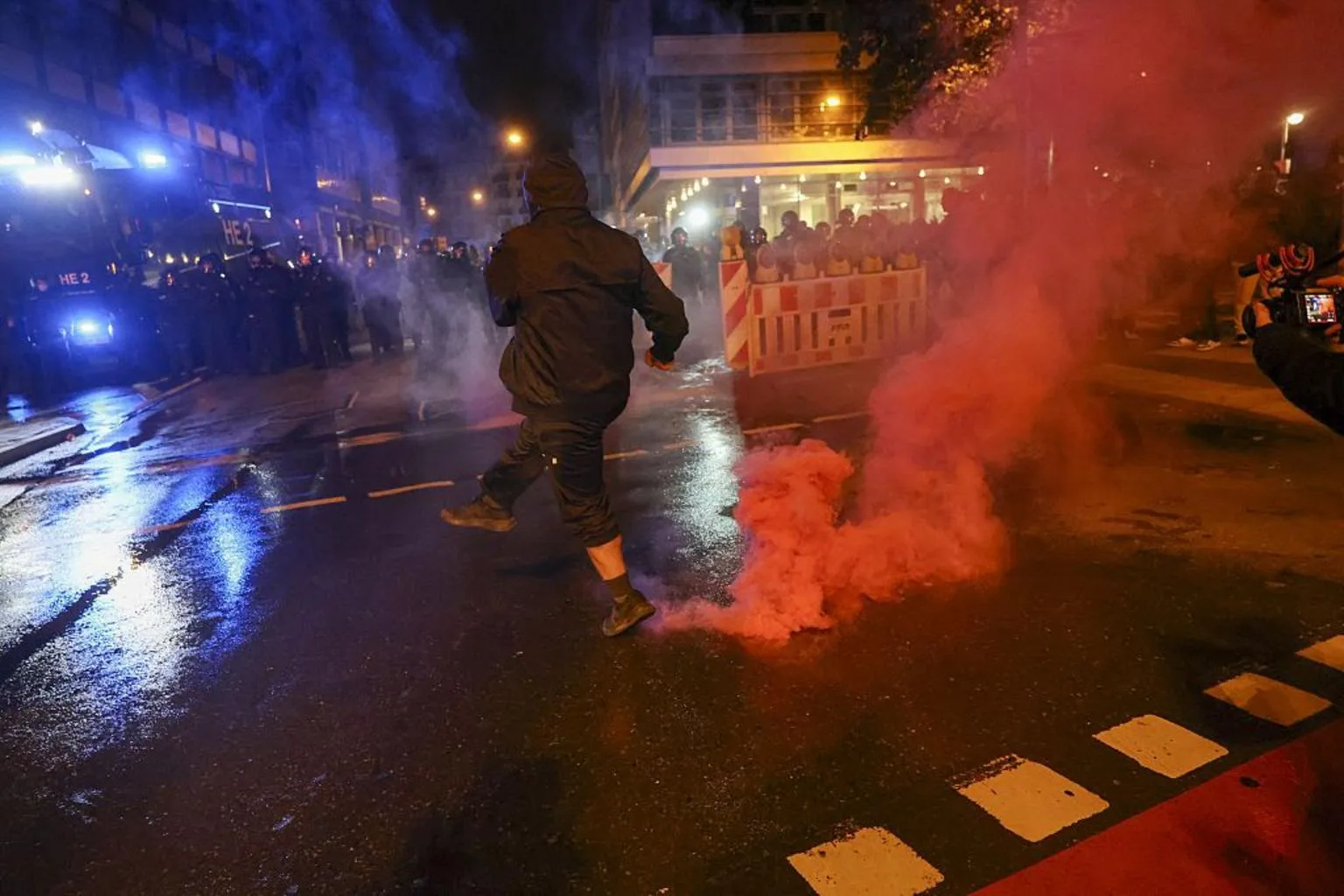
The looting of stores and unrest in Germany and France followed nationwide protests led by youth, occurring in several cities across both countries. The demonstrations in Germany, inspired by similar movements in France and Italy, were largely peaceful during the day but escalated into confrontations with police at night, turning violent in some cities including Berlin, Cologne, Hamburg, and Frankfurt.
Formation of Youth Protests
The protests in Germany began on Saturday morning with thousands in attendance. A group called "Generation Z Takes Control" organized these protests to address various issues including school budget cuts, high living costs, reduced public services, and mandatory military service. These young people demanded better support for health and education systems and a fairer distribution of responsibilities.
Read more: Ukraine's Drone Attack on Russia's Kstovo Oil Refinery
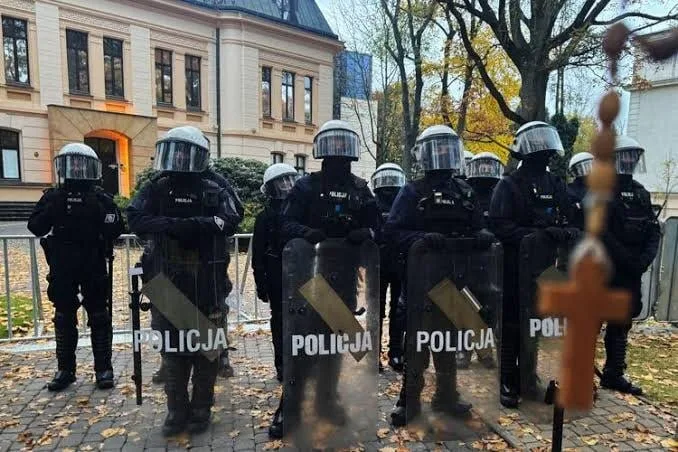
As night fell, the protests turned violent, and stores in downtown Frankfurt, known as Germany's financial hub, were looted. Police closed off a large section of the main shopping street in Frankfurt to control the situation and prevent further violence, deploying water cannons to disperse protesters.
Police and Local Officials' Response
Local officials in Frankfurt, Munich, and Berlin reported the presence of up to 18,000 protesters at the demonstrations, with German media stating that tens of thousands joined the protests in various cities. While police announced they used water cannons to disperse those attacking emergency service personnel, Lina Friedrich, a spokesperson for the Generation Z campaign, emphasized that these protests were held to "fight for peace and freedom."
Roman Pozek, the Interior Minister of Hesse, described the presence of far-left extremists at the protests as "shameful." He stated, "We all have images of France in our minds: looting, burning homes, and attacking police officers... France should not have been a model in this regard."
The situation in Frankfurt calmed down overnight and into Sunday morning, but clashes continued in Berlin, Cologne, and Hamburg. In Cologne, police reported an attack by protesters on their officers, while in Hamburg, individuals dressed in black set barriers on fire.
Protests in France and Other European Countries
In France, over 320,000 people joined the third consecutive weekend of largely peaceful protests, demanding government action to reduce living costs and improve weak public services, especially in education. Thousands of police were deployed across France, and in some cities, tear gas was fired at protesters.
Laurent Nunez, the French Interior Minister, announced that one police officer was injured by a Molotov cocktail, and over 500 people were arrested during clashes in Toulouse, Lyon, and Marseille. Protests also occurred in Italy and Portugal, some of which led to violent confrontations with police.
These protests, primarily sparked by high living costs and reduced public services, reflect the dissatisfaction of youth in various European countries. From France and Belgium to Spain and Italy, young people are loudly voicing their demands and seeking fundamental changes in their governments' policies.
Read more: Saif Tabrizi: Russia's proximity to Washington does not mean Moscow is distancing itself from Tehran · Germany and its historical role in returning to peace diplomacy