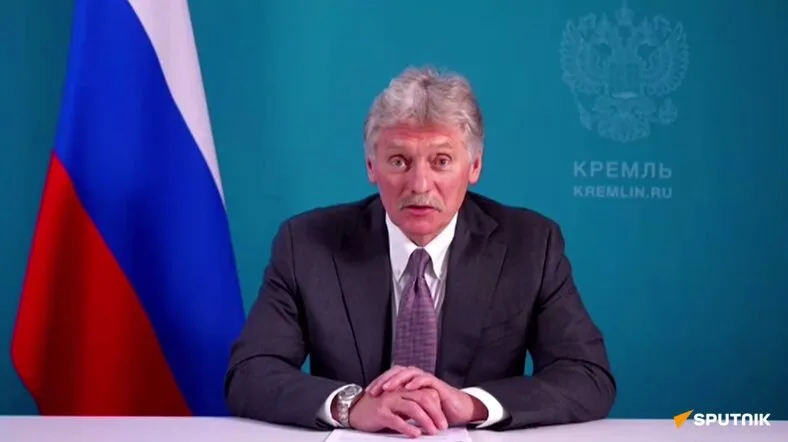
The Kremlin spokesperson, Dmitry Peskov, in response to the position of European countries regarding the diesel agreement between Russia and the United States, strongly criticized this viewpoint and described it as 'destructive.' This agreement, which seems to strengthen the trade and economic relations between the two countries, has faced severe opposition from some European countries.
Challenges Facing the Agreement
The diesel agreement between Russia and the United States has been announced while Europe is trying to reduce its dependence on Russian energy resources. Peskov pointed out that Europe's position could lead to increased tensions in the energy market, adding: 'This approach will only be detrimental to European countries, and we hope they pay more attention to economic realities.'
Read more: Marine Le Pen: We will cut financial aid to Ukraine
The agreement allows the two countries to adhere to their commitments regarding energy supply, but European countries perceive it as a threat to their energy security. Meanwhile, this agreement could lead to lower prices and increased supply in global markets.
Economic and Political Consequences
Criticism from European countries could lead to a reduction in international cooperation in the energy sector. Experts believe this issue could also impact global energy prices. Peskov emphasized that Europe's negative approach could weaken these countries' positions in future international negotiations.
While Europe seeks to diversify its energy sources, the new agreement may negatively affect existing trends. This comes at a time when European countries, facing economic challenges from recent crises, need broader cooperation.
In conclusion, the Kremlin spokesperson noted that Russia seeks to strengthen economic and trade relations with countries interested in cooperating with it and hopes that European countries will reconsider their positions.
Read more: Trump in search of a symbolic victory against Iran · The U.S. warned Ukraine: Officials were threatened