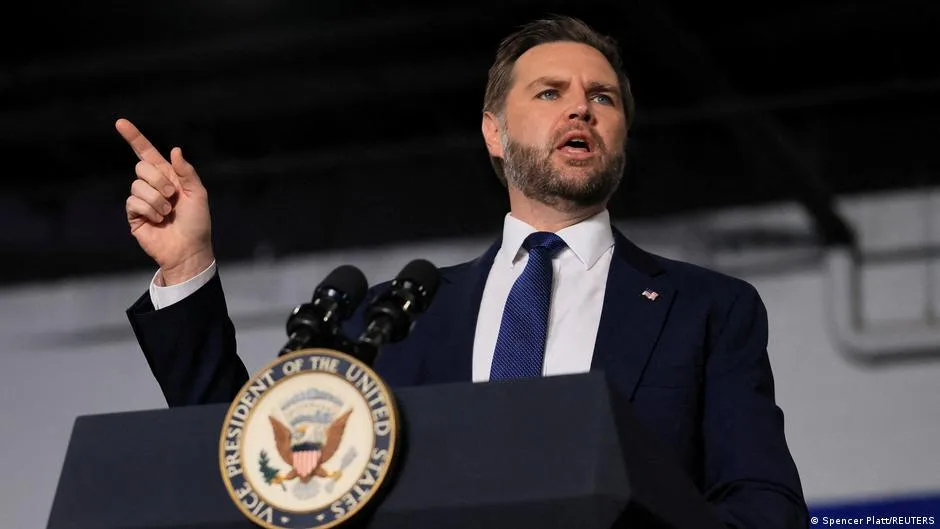
JD Vance, the Vice President of the United States, on October 7 (15 Mehr), in an exclusive interview stated that Iran must significantly reduce its uranium enrichment capacity to meet the demands of the United States and end the seven-month war between the two countries, and referred to the details of the current negotiations.
Uranium Enrichment and Threats
Vance explicitly stated that any agreement with Iran must include a reduction in enrichment capacity, and merely a promise to reduce nuclear activities in the future is not sufficient. In response to a question about 60 percent uranium enrichment, he said: "If you do not want a nuclear weapon, what need do you have for fuel enriched to 60 percent purity? And if you want to show that you are committed to not building a nuclear bomb, do not produce highly enriched fuel."
Read more: Elevator crash in Mazandaran kills 5 men
These remarks come as Vance referred to ongoing negotiations with Masoud Behdarvand and Abbas Araqchi, two senior Iranian officials, and expressed concern that there is still no clear picture of how decisions are being made in Tehran during these negotiations. He stated: "America is negotiating with these two individuals, but it is unclear how much authority they have within Iran's power structure."
Consequences of Negotiations
In recent weeks, Iran and the United States have exchanged proposals aimed at ending the war and reopening the Strait of Hormuz, one of the world's key energy transit routes. However, the previous U.S. administration, led by Donald Trump, rejected Tehran's recent proposal and warned that military operations may escalate after the midterm elections.
It is noteworthy that military threats and existing tensions in the Middle East continue, and these negotiations take place in this context. As concerns about the possibility of war in the region have increased, the United States is seeking a diplomatic solution to reduce tensions and prevent the escalation of conflicts.
Iran, on the other hand, has denied all allegations of involvement in threats against U.S. military bases in Britain and emphasizes its rights regarding uranium enrichment. This issue could lead to further complexities in international negotiations.
As discussions continue, the future of Iran-U.S. relations depends on the decisions made in these negotiations. It seems that both sides are looking for a way to reduce tensions and return to negotiations, but there are many challenges along the way.
Read more: Government support for Iranian elites abroad with 18 new services · Eskandar Moameni announced new agreements between Iran and Qatar