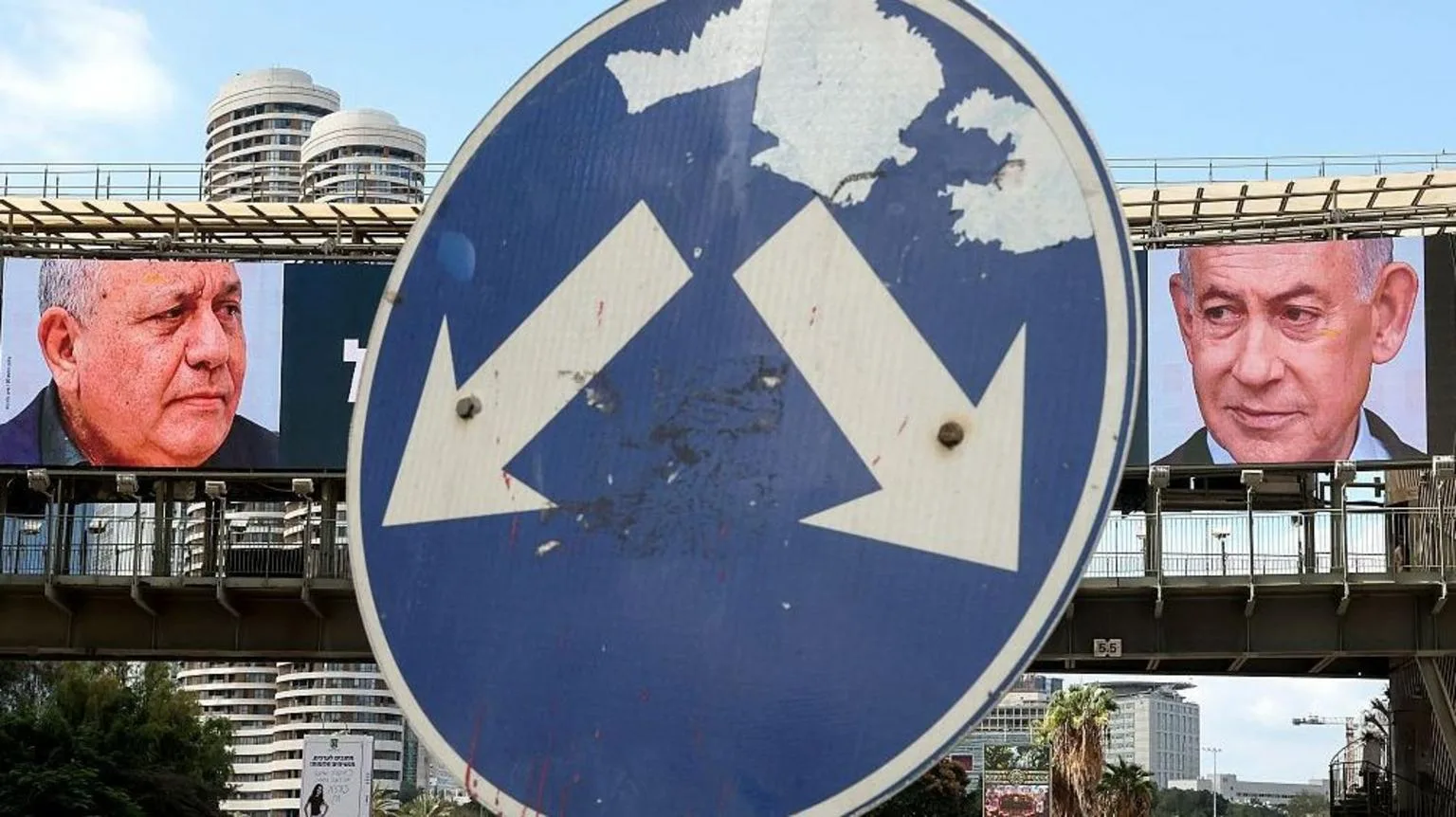
The parliamentary elections in Israel are taking place while Benjamin Netanyahu, the current Prime Minister and record-holder in power, faces serious challenges from his opponents. These elections are significant not only for domestic issues but also for the politicians' approach towards Iran.
The Impact of Government Change on Israel's Policies Towards Iran
The disagreements among Netanyahu's opponents over issues such as the responsibility for the security failure on October 7 and the exemption of Haredim from military service indicate internal tensions. However, the question that arises is whether a change of government could affect Israel's policies towards Iran. Guy Ziv, a professor of Israeli studies, believes that there are no discernible differences between Netanyahu's policies and those of other parties regarding Iran.
Read more: Tehran meeting with senior officials from Saudi Arabia, Turkey, and Pakistan for regional security
Close Competition in the Elections
Recent polls indicate a close competition among various parties. The four main factions opposing Netanyahu include the Yesh Atid party led by Gadi Eisenkot, the joint list of Bennett and Lapid, Israel Beitenu, and the Democrats. Meanwhile, Arab parties are counted separately, and their role in forming a government is still unclear.
Netanyahu's camp includes the Likud party, Shas, the United Torah Judaism, and other right-wing groups. The internal disagreements of these parties over domestic priorities and the end of the war could affect government decision-making. Particularly, Haredi parties like Shas and United Torah Judaism, which have their specific demands, continue to play an important role in supporting Netanyahu.
Netanyahu's Government and Its Approach to Iran
Netanyahu, as Israel's longest-serving Prime Minister, has made confronting the Islamic Republic and its nuclear program one of the main pillars of his foreign policy. In recent speeches, he has emphasized the necessity of overthrowing the Iranian regime, but this approach and Trump's support for him may face challenges in the long term.
Dani Citrinowicz, an analyst of Iranian and Israeli issues, predicts that Trump's support for Netanyahu may lead to renewed attacks by the U.S. and Israel on Iran. Additionally, changing public opinion in the United States may impact Israel's relationship with Washington.
Future Outlook
The main parties opposing Netanyahu, ranging from secular and religious right to center and left, are competing with separate lists. Their common goal is to oust Benjamin Netanyahu, but this collaboration does not imply an agreement on how to confront the Islamic Republic. Given the ongoing tensions and potential changes in domestic and foreign policies, the future of the elections and Israel's policies towards Iran remains uncertain.
Read more: The U.S. Embassy in Riyadh issued an order for the departure of non-essential personnel · 2026 Elections in the Occupied Territories; Voting Amid Internal and External Crises