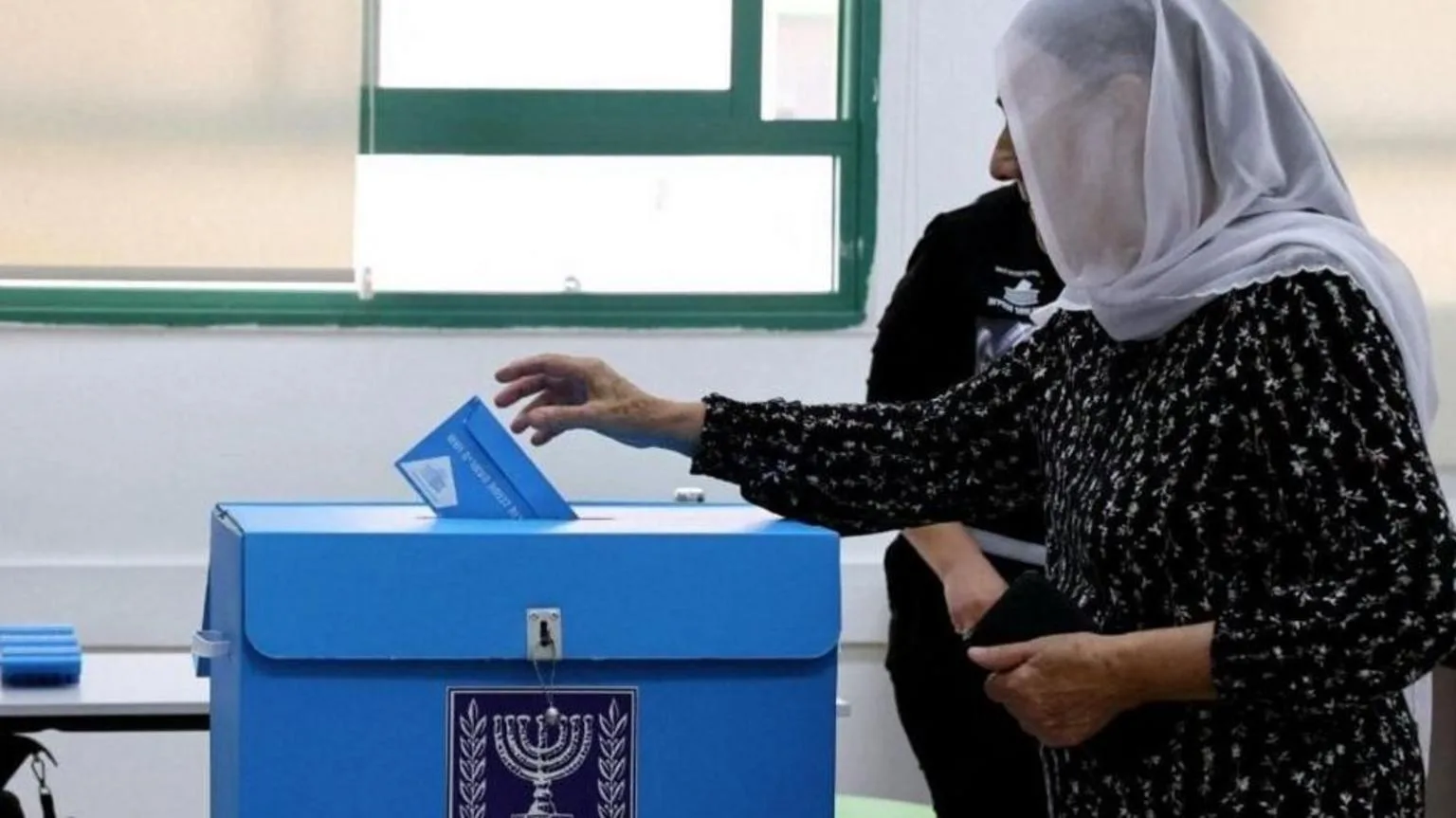
Counting more than 90 percent of the votes in the Israeli elections indicates that the coalition of Benjamin Netanyahu, the current Prime Minister, is on track to secure 53 seats in the Knesset. Meanwhile, the opposition coalition led by Gadi Eisenkot will only secure 48 seats. However, unexpectedly, the Arab and Palestinian parties in Israel managed to win 19 seats, reflecting their high participation in this election.
Unprecedented Participation and Political Challenges
The voter turnout among Israelis reached 77 percent, indicating a public desire for change and influence in the country's policies. Nevertheless, Gadi Eisenkot's victory in achieving a parliamentary majority seems to face serious challenges. The Jewish opposition parties have broadly committed not to collaborate with Arab electoral lists, which could lead to a political deadlock.
Read more: Macron: The U.S. War Against Iran Has Led to Protests in France
The Arab parties, especially after the recent Hamas attacks on October 7, 2023, find themselves in a sensitive position. Representing about one-fifth of Israel's population, they identify as Palestinian citizens of Israel and seek to exert more influence on the country's domestic policies through unprecedented participation in the elections.
Consequences of the Election Results
After the preliminary results were announced, Benjamin Netanyahu told his supporters that the right-wing bloc has a decisive majority among the Jewish public. He emphasized the formation of a strong national government and called for cooperation with other parties. In contrast, Gadi Eisenkot also highlighted the need to form a stable and beneficial government for all citizens, while pointing to changes in public opinion.
Many analysts believe that the recent elections were not just a referendum on Netanyahu's leadership but also a measure for determining the type of future the country will have. These elections were held at a time when Israeli society is facing deep social and political divides and is debating liberal and secular values.
It remains to be seen whether the main opposition parties, known as the “Change Bloc,” will be willing to break the taboo of cooperating with Arab parties. Mansour Abbas, the leader of the Ra'am party, has expressed a willingness to join the next government, believing that potential partners for coalition formation will be more prepared after the elections.
Ultimately, the political future of Israel depends on how the parties react to the election results and their interactions with the Arab parties. This could lead to a new era of political and social challenges in Israel.
Read more: Netanyahu's Resignation in Exchange for a Two-Year Premiership · Trump and Netanyahu on the Brink of a New War Against Iran