Following recent drone attacks on Saudi Arabia's strategic oil pipeline, Iraq has taken a firm stance regarding the security of its airspace and territory. Officials in this country have emphasized the prohibition of using Iraqi soil and airspace for any attacks on neighbors, initiating immediate investigations and unprecedented security measures.
Security Developments in Iraq
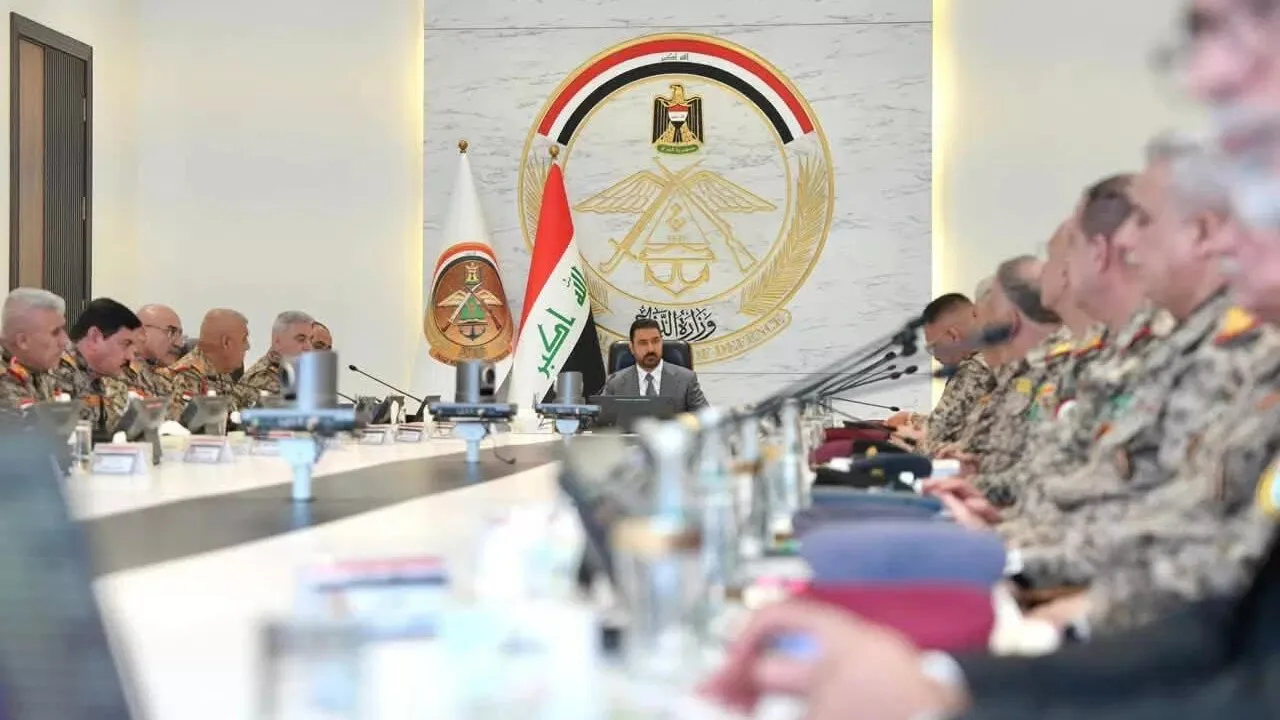
In this context, military commanders and security officials in Iraq have held special meetings to discuss the country's security situation and stressed the need to maintain national sovereignty. These security developments occur at a time when Iraq, as a strategically positioned country in the Middle East, must protect itself from external threats.
Regional Challenges and Consequences
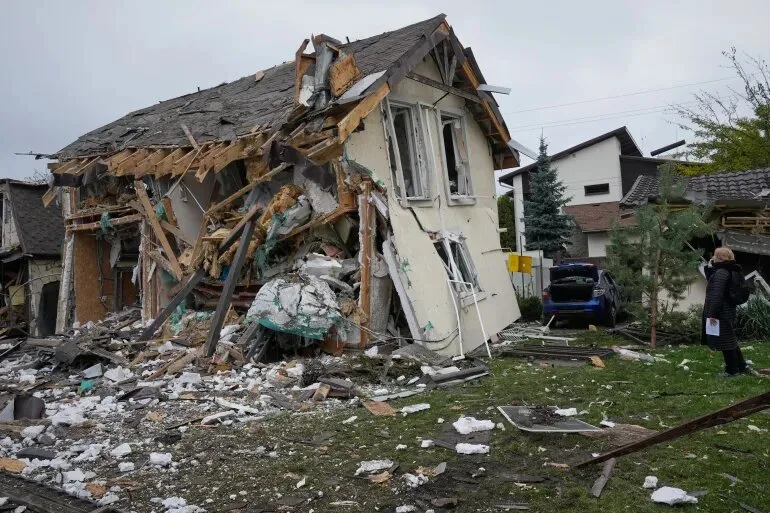
The recent attacks on Saudi Arabia's oil pipeline indicate increasing tensions in the region. These attacks have directly impacted the global oil market, raising further concerns about energy security and economic stability in the Middle East. Iraq, as a neighbor of Saudi Arabia, is worried about the repercussions of these attacks on its internal security and relations with neighboring countries.
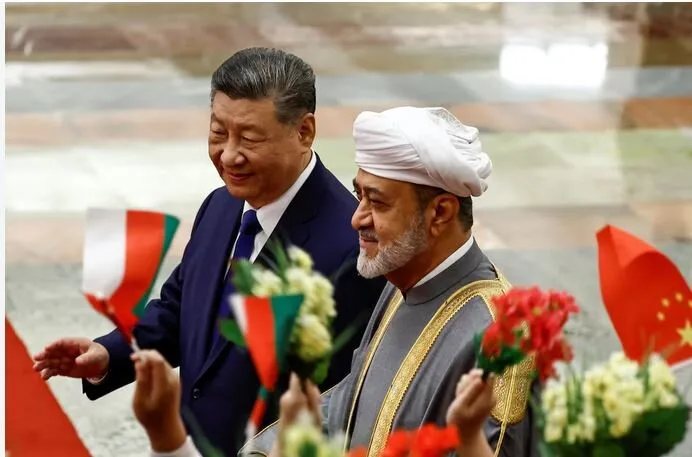
Iraqi officials, expressing concern over the potential escalation of tensions, continue diplomatic talks with neighboring countries. They believe that security and intelligence cooperation can help reduce tensions and prevent similar attacks from occurring.
Given the current complex situation, Iraq is committed to maintaining national sovereignty and preventing itself from becoming a battleground between regional powers. This stance reflects Baghdad's determination to prevent any violation of its airspace and territory by other countries.