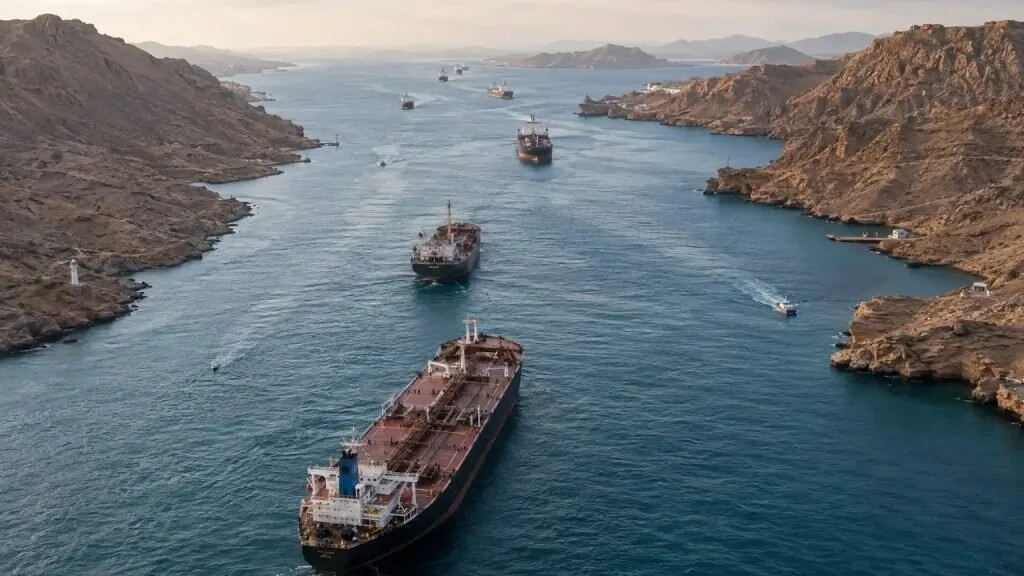
Following U.S. airstrikes on Iranian oil tankers, Iran has taken action and launched new attacks on American targets in the Middle East. This move has once again escalated tensions between the two countries and seems to push these historical rivals towards a deeper military conflict.
Widespread Consequences
The recent attacks, which are clearly seen as a retaliatory act, have raised global concerns. Security experts believe that these tensions could lead to a larger crisis in the region. While the United States seeks to maintain its interests in the Middle East, Iran continues these attacks with the aim of securing its own safety and interests.
The spokesperson for Iran's Ministry of Defense has described the recent attacks as a sign of the country's military power and warned the United States that any new actions will face a decisive response from Iran. It appears that Iran has decided to defend its interests at all costs, and this could have serious repercussions for neighboring countries and even beyond.
Future Outlook
Given the current situation, analysts predict that these military conflicts could turn into a protracted war that will affect not only Iran and the U.S. but the entire region. In particular, Iran's and the United States' neighboring countries must prepare for the consequences of these tensions, as any misstep could lead to increased unrest.
Meanwhile, global oil markets have also been affected by these developments, and any increase in tensions could sharply raise oil prices. This is why economic observers believe that the consequences of these attacks will not be limited to the military sphere and could have profound impacts on the global economy.
Ultimately, it seems that this round of tensions not only reflects the depth of the differences between Iran and the U.S. but also clearly shows that both countries are seeking to strengthen their positions in a new cold war in the Middle East. Therefore, the world must closely monitor these developments to prevent any unexpected crises.