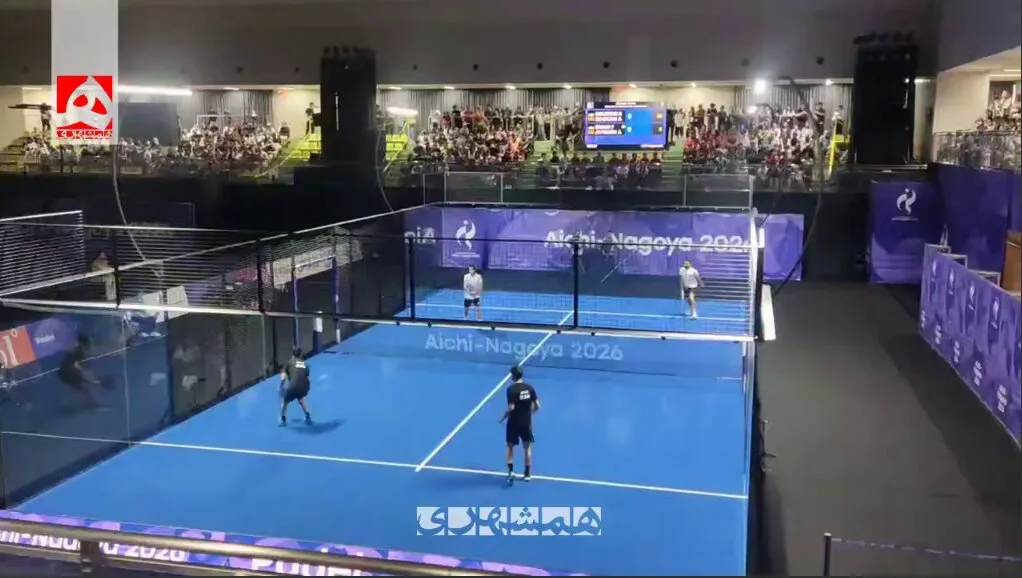
In the ranking match of the paddle competitions, Iran's national team coach decided to remain neutral and watched the confrontation between the two Iranian teams from a special seat. This action raised questions among sports enthusiasts and analysts, especially since a coach usually leads their teams in critical moments.
Absence in Team Leadership
In this match, instead of positioning himself alongside one of the teams and leading it, the coach preferred to be an observer. This behavior seemed particularly unusual given that both teams were representatives of the country. Neutrality in sports, especially when representatives of a country are competing, can carry various messages.
Read more: Sagher Moradi Wins Iran's First Taekwondo Gold Medal in Nagoya
Consequences of Neutrality
The coach's neutrality may signify respect for both teams and an effort to maintain a competitive spirit. At the same time, this behavior might be interpreted as a form of uncertainty about choosing the best team or a reluctance to interfere in critical decisions. This issue could lead to various dialogues and discussions within the sports community, especially in situations where it is expected that a team's coach will always be by their side and support them.
This decision by the coach could be seen as a turning point in his future approaches and in managing Iran's national team. While this behavior might be interpreted as a form of selflessness and support for the teams, it could also lead to challenges. Will the coach act in the same way in the future, or was this a one-time occurrence? This question will remain in the minds of fans and analysts.
Read more: Persepolis's Starting Lineup Changes with New Absences Ahead of Match Against Oil Industry · Iran's Paddle Doubles Team Wins Bronze in Nagoya