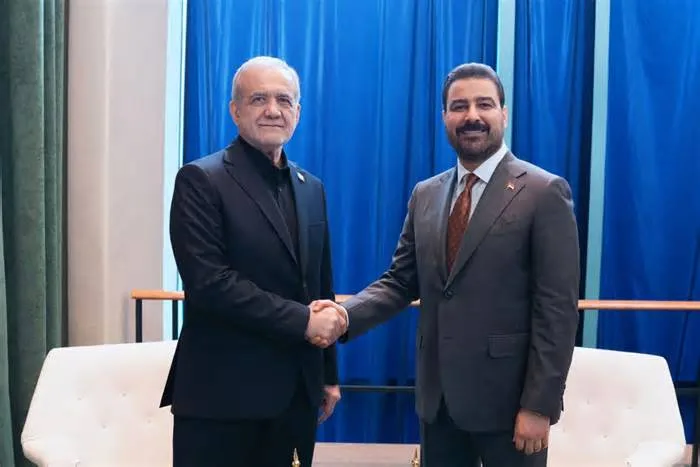
The relationship between Iran and Iraq, as two historical and cultural neighbors, has always been characterized by stability and depth. Recently, U.S. pressures on Baghdad to stop Iranian flights to Iraq have increased. Although such actions can impact economic and political trends, experts believe that this relationship is so deep-rooted that it cannot be easily influenced.
U.S. Pressures and Reactions
Political experts in Iran and Iraq believe that U.S. efforts to limit flights and trade relations between the two countries will result in nothing but increased bilateral cooperation. U.S. pressures on Baghdad, especially in economic and military areas, have led to various reactions. For instance, Iraqi officials have repeatedly emphasized that the independence of their country in decision-making must be preserved, and no pressure from other countries should affect this independence.
Read more: Baghdad Announces Start of Withdrawal of U.S. Coalition Forces from Erbil
Deep and Historical Relations
The relationship between Iran and Iraq dates back to ancient times, and due to their proximity and shared history, the two countries have always stood by each other. In recent years, economic and cultural cooperation between the two countries has expanded. For example, the increase in the number of Iranian pilgrims to Iraq and vice versa is a sign of the depth of these relations. Experts believe that such connections can help strengthen the bonds between the two countries and create resilience against external threats.
Ultimately, it seems that U.S. efforts to weaken Iran-Iraq relations will not only be unsuccessful but may also lead to further strengthening of these relations. Iraqis have shown that they will stand firm against external pressures and are seeking to preserve their national interests.
Read more: 61 Million Tons of Rubble; Gaza Faces the Largest Cleanup Operation in Contemporary History · Guterres Calls for Continued Diplomatic Efforts to Resolve Disputes Between Washington and Tehran