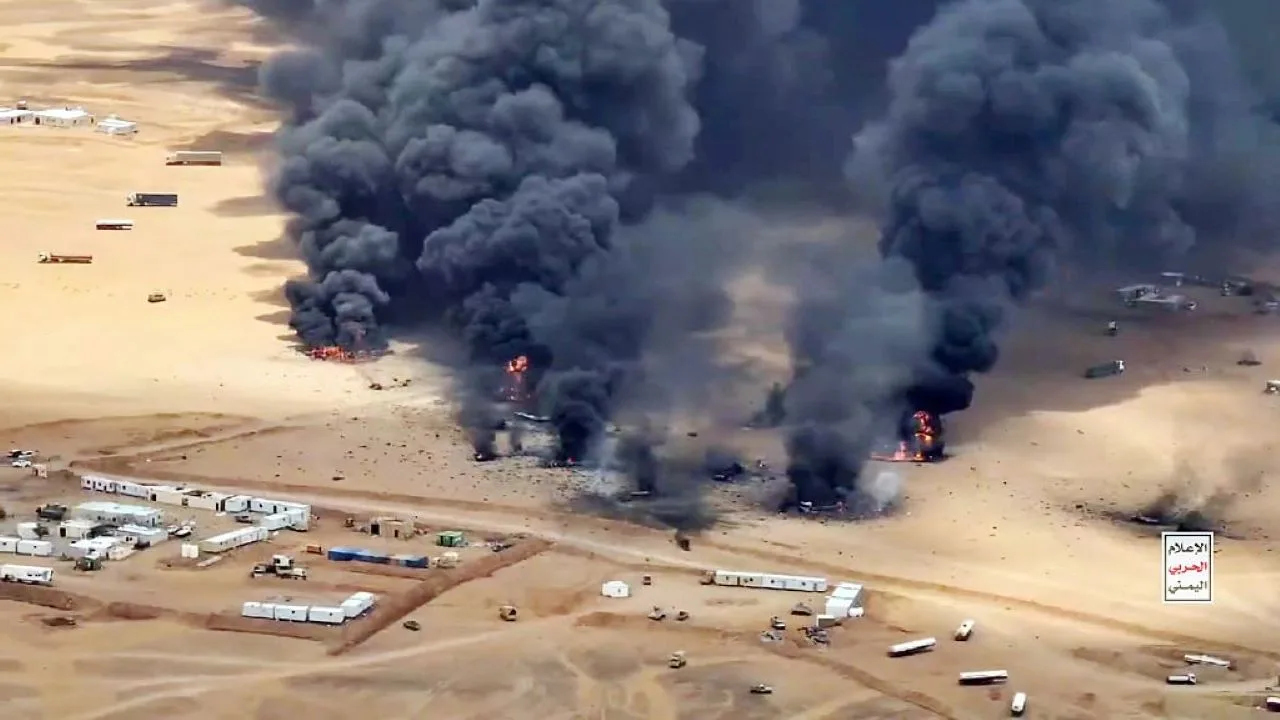
In a worrying development, Iranian-backed Houthis attacked four Saudi oil facilities on Tuesday, which play a key role in securing trade routes outside the Strait of Hormuz. These attacks have not only challenged energy security in the region but have also led to increased tensions in the relations between Iran and Saudi Arabia.
Casualties and Financial Damage
According to reports, these attacks have injured over 70 people and caused serious damage to Saudi critical infrastructure. This situation reflects the escalation of tensions in the region and the dangers arising from military conflicts that could lead to higher oil prices and disruptions in global energy supply.
Analysts believe that these attacks are part of a broader Iranian strategy to weaken the Saudi economy and influence global oil markets. While Saudi Arabia, as one of the largest oil producers in the world, is always at risk of security threats, these attacks could directly impact oil prices and create further volatility in the market.
Global Consequences
These developments clearly indicate serious challenges for global energy security. Given that most of the world's oil passes through the Strait of Hormuz, any disruption in this route could lead to rising global oil prices. Furthermore, these attacks could increase tensions between Iran and Western countries and affect nuclear negotiations.
Considering the current situation, it seems that tensions in the Persian Gulf are approaching a boiling point. The international community must closely monitor these developments to prevent further crises.