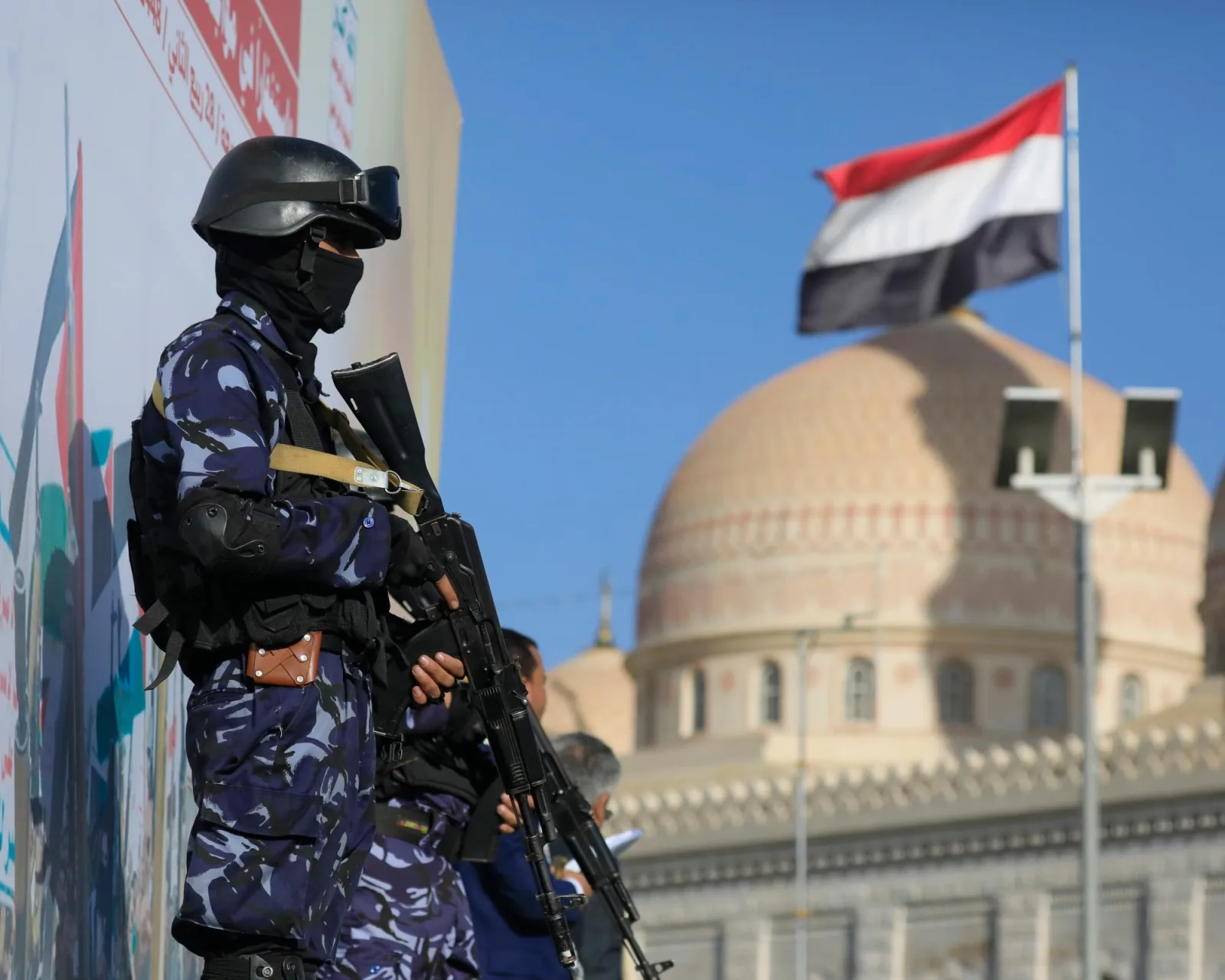
The Houthi attack on Saudi Arabia's capital, Riyadh, on Saturday, is considered a shocking and deadly event, serving as a serious warning for the Gulf region. This attack targeted King Khalid International Airport, leaving 13 dead and around 300 injured, making it one of the deadliest attacks in Gulf history. This incident has not only taken lives but has also exacerbated the instability in the region.
A Turning Point in Gulf Instability
In recent years, the Gulf has gradually entered a period of instability that seems irreversible. Although casualties in this region have been relatively low compared to other areas like Gaza and Iran, the gradual decline of peace and security in countries like Saudi Arabia, Qatar, and the United Arab Emirates has led to deeper developments. These attacks clearly indicate that old patterns of international relations are no longer effective.
Read more: Yemeni Army's Missile Attack on Saudi Positions in Khamis Mushait and Abha
Consequences of the Attacks and Reactions
The Houthi attack on Saudi Arabia is a sign of serious changes in the Middle Eastern political landscape. Several years ago, when Iran attacked a military base in Qatar, everything changed. This attack, despite Qatar's good relations with Iran, indicates the internal and regional crises that are gradually emerging. Additionally, with Israel's renewed involvement and its attacks on Doha, previous equations have completely changed.
With Donald Trump's entry into politics, the war against Iran became a reality, putting significant pressure on Gulf countries. This war not only targeted the economic infrastructure of these countries but also fueled social and political instability. Now, Saudi Arabia faces a long and difficult war with the Houthis; a group that is well-equipped and determined to continue the fight.
This war not only impacts economic and social infrastructure but also harms the process of attracting foreign investments and developing tourism. Countries that had spent billions of dollars to attract international events are now facing a serious threat.
Ultimately, these developments clearly show that the Houthis are not just a proxy group. They have their own internal goals and specific regional tensions and will not surrender under any circumstances. This situation poses dangers not only for Saudi Arabia but could also have profound effects on the entire Middle East.
Read more: Netanyahu Expressed Sympathy with Saudi Arabia · Kata'ib Hezbollah Iraq: Saudi Arabia Must Accept Defeat and End the Siege of Yemen