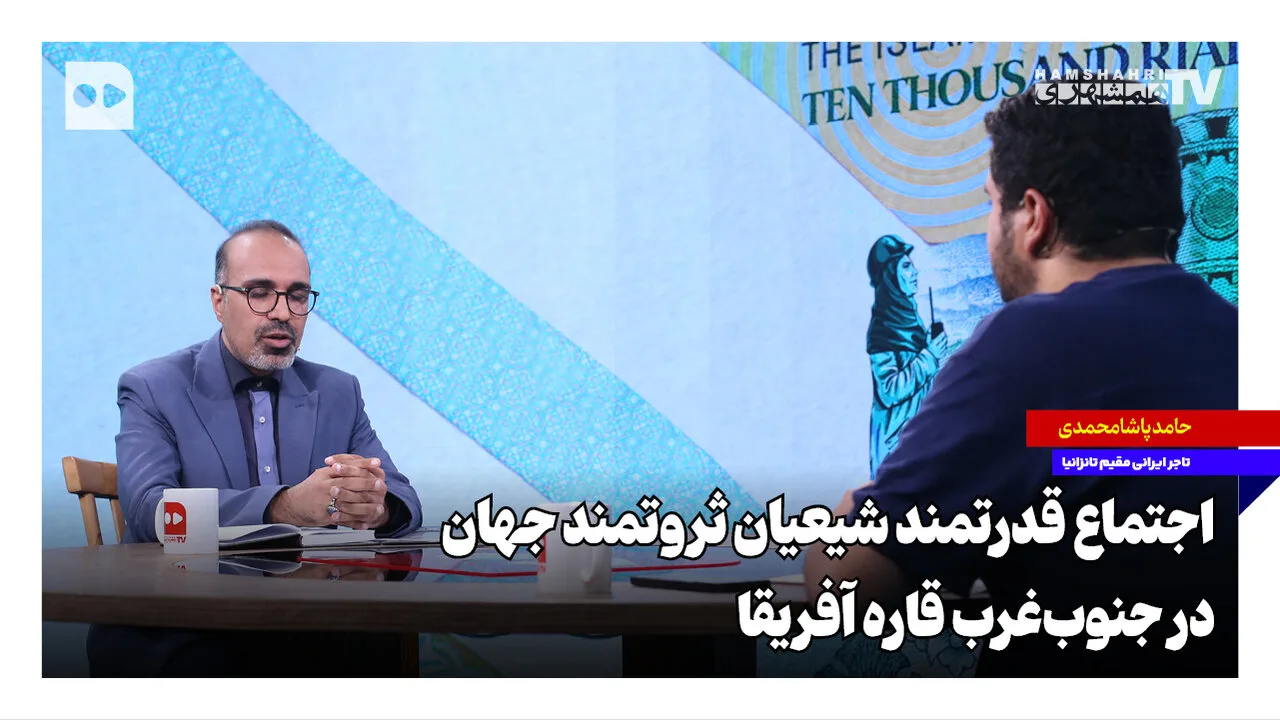
Hamed Pashamohammadi, an Iranian businessman residing in Tanzania, represents a new generation that introduces wealthy and organized Shiites of the world in the southwestern part of the African continent. These communities, possessing significant financial and economic resources, have been able to increase their influence in various global arenas.
Economic Power and Organization of Iranian Communities
Iranian communities established in African countries, especially in Tanzania, have contributed to the formation of a strong economic network by leveraging their business experience and skills. These communities, by investing in various economic and commercial sectors, particularly in mining, agriculture, and services, have succeeded in securing their livelihoods and also creating jobs for others. Hamed Pashamohammadi, as a successful example in this field, demonstrates the power and potential of these communities.
Read more: The plight of Iranian families in Turkey; three years of uncertainty over educational documents
Social and Cultural Impacts
In addition to economic impacts, Iranian communities in Africa have also promoted Shiite culture. These communities strive to preserve their identity and pass it on to future generations by holding religious and cultural ceremonies. This, especially at the local level, strengthens social relationships and creates a sense of solidarity among community members. Hamed Pashamohammadi, by participating in these activities, contributes to the promotion of Iranian and Shiite culture and values, acting as a role model for youth and future generations.
Given these developments, it seems that Iranian communities in Africa, particularly in Tanzania, are emerging as a new economic and cultural power. This not only benefits these communities but can also help strengthen international and economic relations between Iran and African countries.
Read more: The release of a New York gold trader in Iran, but with a travel ban · China: Economic cooperation with other countries is not affected by third-party interventions