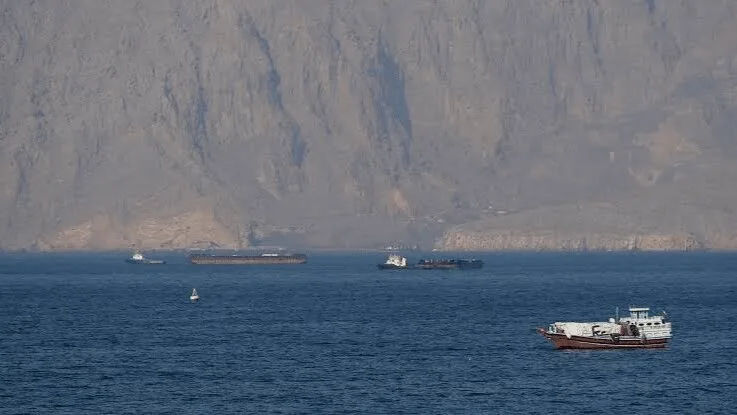
Gulf countries are designing a multilateral peace agreement aimed at reopening the Strait of Hormuz within four days after the lifting of sanctions, as well as the withdrawal of Houthi forces from Yemen. These efforts are being made to prevent what they see as the disastrous return of war between Iran and the United States.
Agreements and Challenges
The U.S. government is aware of the progress in negotiations but is seeking a concession that appears to include allowing UN weapons inspectors to enter Iran. Ed Miliband, the British Foreign Secretary, urged Abbas Araghchi, Iran's Foreign Minister, to agree to the return of weapons inspectors to Iran, but Iran has so far rejected this request and is only emphasizing principled negotiations regarding its nuclear program.
Read more: Massoud Pezeshkian and the Emir of Qatar emphasized the development of relations in Moscow
Iran's Role in the Yemen Crisis
Iran has also begun to acknowledge its mediating role in the Yemen conflicts. Mohsen Rezaei, Secretary of Iran's Supreme National Security Council, has met with Ibrahim al-Dailami, the Houthi ambassador in Iran. This meeting followed a visit by a high-level delegation from Saudi Arabia, Turkey, and Pakistan to Tehran to discuss Saudi Arabia's conditions for ending the Yemen conflict.
Iran, which supports the Houthis, has the ability to influence them and can propose measures that would prevent a military victory for the Houthis. In return, the Houthis are demanding the lifting of the Saudi maritime and aerial blockade on the areas under their control.
Iran has also managed to separate its nuclear program from negotiations with Turkey, Saudi Arabia, and Pakistan, focusing instead on broader discussions about the long-term security outlook in the region that includes Gulf countries and Iran, aiming to reduce or end U.S. presence in the Middle East.
A new non-aggression agreement, in which Iran is no longer ostracized by other Gulf countries, meets Iran's high strategic goal. A commitment to this goal by the six Gulf countries could help Iran accept the difficult tactical concessions it needs to make regarding its nuclear program.
Badr al-Busaidi, Oman’s Foreign Minister and a key supporter of this comprehensive security plan, believes that the U.S. government is aware that this path is the future direction of the region.
Read more: Iranian delegation visited Harir Airport in the Kurdistan Region of Iraq · The U.S. requested Iraq to close 17 border crossings with Iran