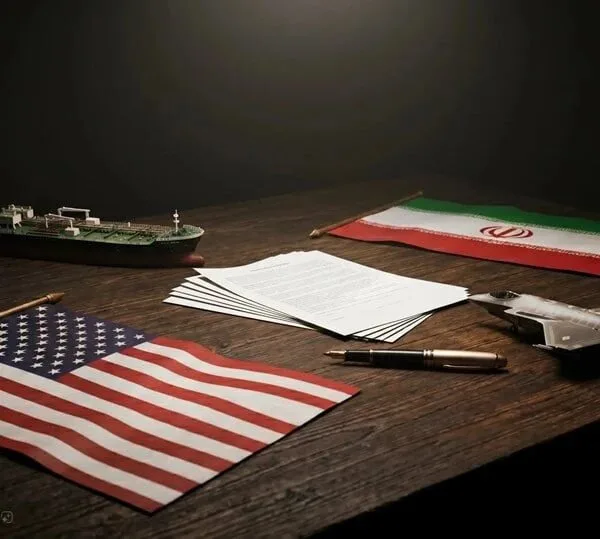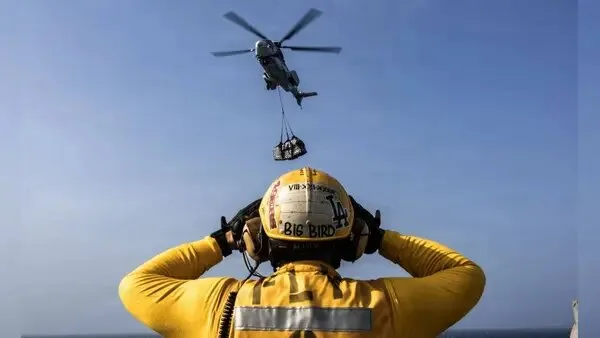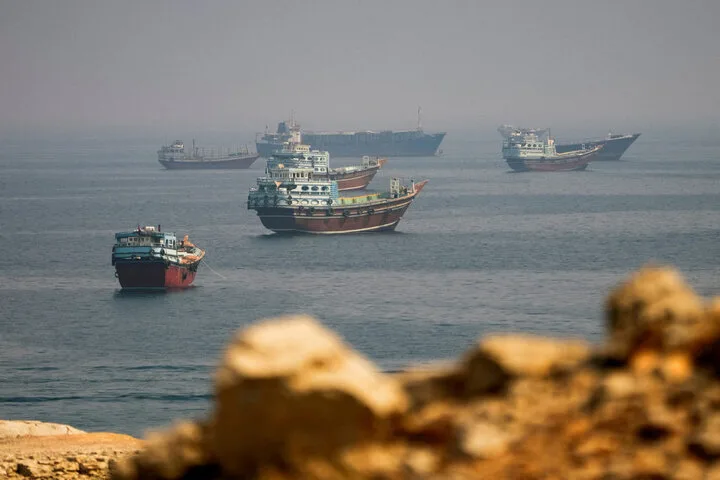
Greg Stanton, a former CIA analyst and officer, examines the current state of the battle between Iran and the United States in the Strait of Hormuz in an article, announcing Iran's victory in this battle. He points out that Iranian officials have gained more confidence after withstanding the first wave of attacks from the United States and Israel.
Changing War Objectives
Stanton emphasizes in this article that the United States and the Israeli regime initially launched a 39-day air campaign aimed at changing the Iranian government or making fundamental changes in the power structure of the country. However, gradually, Trump limited the war's objectives to weakening Iran's nuclear and missile capabilities, and sporadic attacks became a tool to draw Tehran to the negotiating table.
Read more: Increasing tensions between Iran and the U.S.; Have the calculations gone awry?
Initially, negotiations focused on achieving enriched uranium, but with Iran's free passage through the Strait of Hormuz being disrupted and demonstrating the ability to target the energy infrastructure of Gulf Arab countries, Washington's priority shifted to achieving a sustainable ceasefire. In this context, the issue of the nuclear program and ballistic missiles was sidelined.
Military Risks and Challenges
The CIA analyst points out that Trump is reluctant to enter a battle for control of the Strait of Hormuz, as such an operation could risk the loss of U.S. warships and necessitate the deployment of ground forces to islands and shores. The notion that this battle could be resolved solely with air and naval forces is now less frequently raised than in the past.
Stanton also notes that Tehran quickly realized that the Strait of Hormuz and the energy infrastructure of Gulf Arab countries are America's Achilles' heel. He writes that defense systems have not been able to completely neutralize Iran's attacks, and the threat to shipping and damage to energy infrastructure could destabilize financial markets.
The Trump administration has now distanced itself from military solutions and introduced blockades and economic sanctions as an alternative strategy. Stanton emphasizes that such pressure does not necessarily lead to collapse, and Iran may still retain the capability to produce missiles and drones.
Ultimately, the author believes that economic pressure could lead to widespread internal protests and dismantle the Iranian government from within, but the realization of this scenario may take "months, perhaps years" and he himself is skeptical about it.
Read more: Iran's success in two recent wars and its impact on its weight in BRICS · Pete Hegseth: Iran will never acquire nuclear weapons