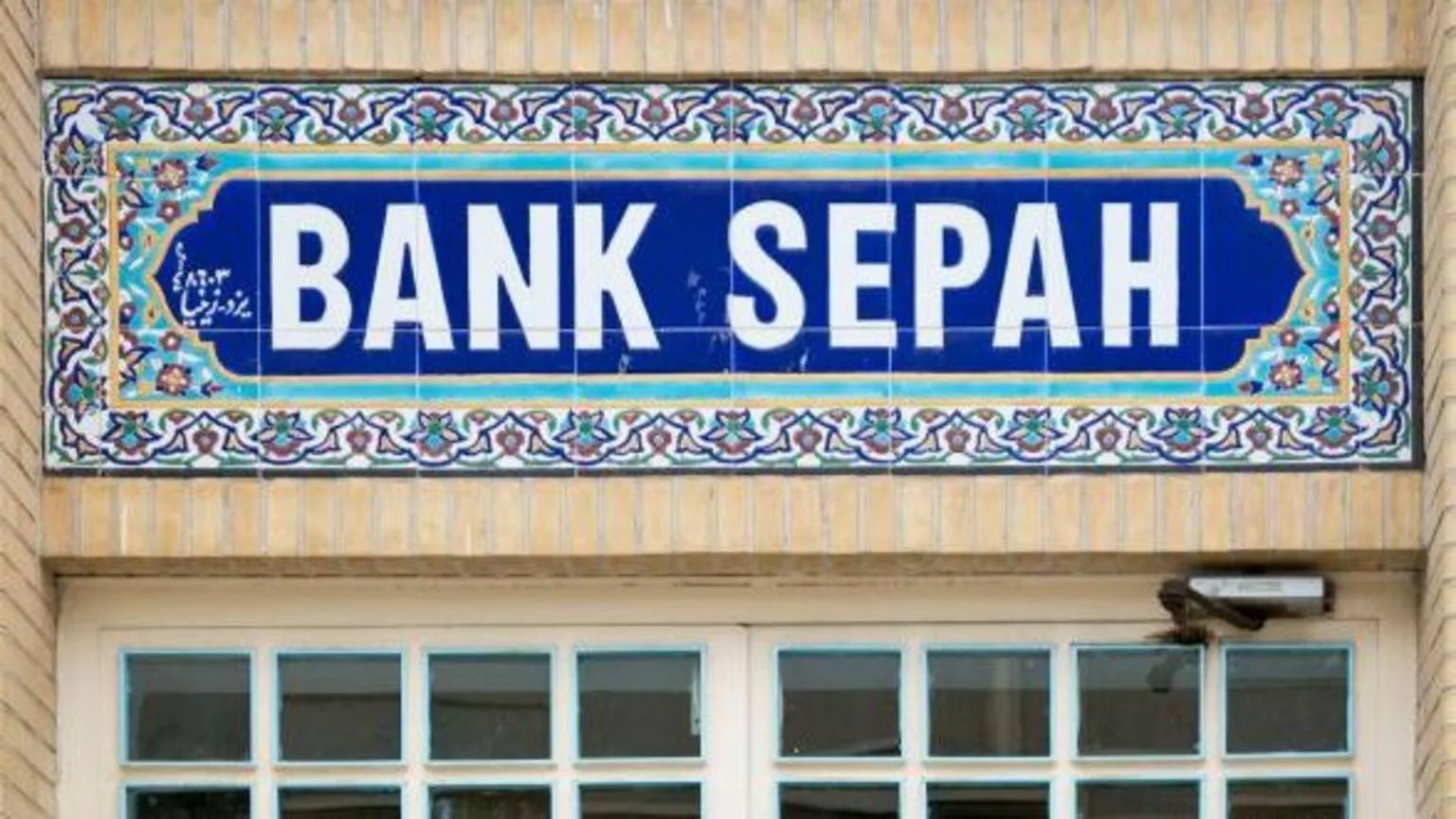
In a controversial move, Germany has announced that the Sepah Bank branch in Frankfurt will be closed due to its inability to pay debts. According to new financial policies, the assets of this branch will be sold to settle debts and pay creditors.
Behind Germany's Decision
The closure of the Sepah Bank branch in Frankfurt, as a financial institution affiliated with the Islamic Republic of Iran, is undoubtedly a sign of economic pressures and international sanctions. This action not only affects the financial status of Sepah Bank but could also lead to broader repercussions for other Iranian financial institutions.
The Frankfurt branch of Sepah Bank, which was recognized as one of the most important branches of this bank abroad, is now in a critical situation. The closure of this branch has raised many questions about the future of Iranian banking activities abroad. Given the sanctions and international restrictions, this decision could indicate a rapidly expanding trend.
Economic Consequences of the Closure
The closure of the Sepah Bank branch in Frankfurt clearly indicates the serious challenges that Iranian financial institutions are facing. With reduced access to international markets and increased economic pressures, there is concern that other Iranian banks may also face a similar fate. In these circumstances, the main question is whether Sepah Bank will be able to continue its activities in the future or not.
Ultimately, this decision by Germany will impact not only Sepah Bank but the entire banking system of Iran. It seems that the time has come for the country's financial institutions to prepare themselves for future challenges with a serious reassessment of their strategies.