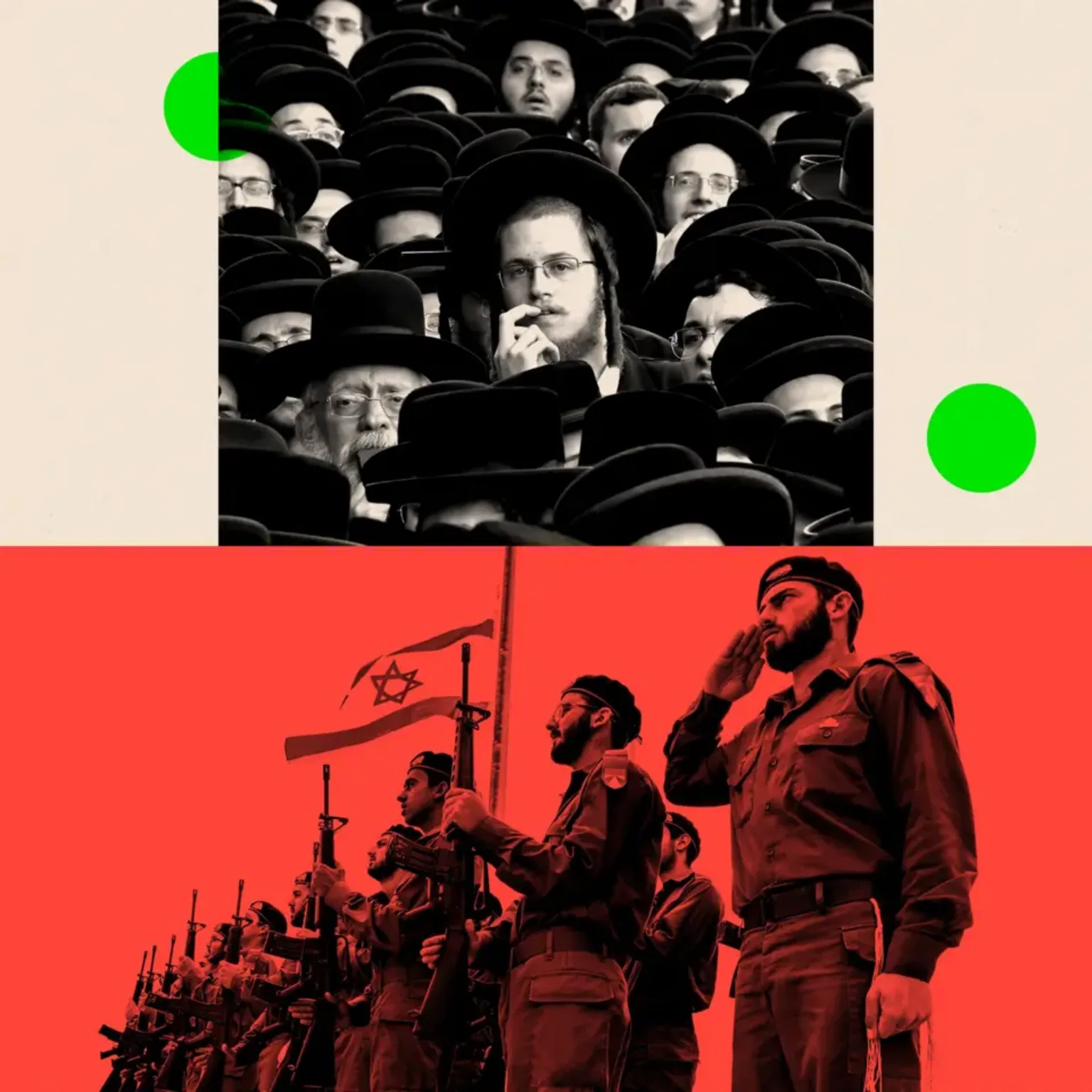
The gathering of hundreds of ultra-Orthodox Jewish men in Modiin, located midway between Jerusalem and Tel Aviv, has turned into a scene of tensions and clashes. These men, dressed in white shirts, black hats, and long black coats, have lined up against military police. At this gathering, the police were seeking to arrest a young Haredi man who had not registered for military service.
Deepening Social Divides
This clash, which occurred in early October, is a sign of one of the deepest divides in Israeli society that has become more apparent in recent months. Ultra-Orthodox Jews, who now make up about 14 percent of Israel's population, are increasingly recognized as a group separate from other Israelis. With the growing population of this group, discussions about their financial support and military service exemptions have intensified.
The annual subsidies paid to this group amount to 35 billion shekels. However, the pressure for greater participation of ultra-Orthodox individuals in society and military service, especially during wartime, is increasing. While this group has traditionally been exempt from military service, many Israelis now view this exemption as a form of shirking social responsibility.
Military and Social Challenges
In the wake of recent wars and especially the attacks on October 7, the absence of ultra-Orthodox individuals from the army has become more controversial. Some religious leaders in this community, such as Rabbi Dov Lando, believe that enlisting Haredi youth in the army could distance them from their culture and community. However, polls indicate that public support for military service among this group has significantly increased.
Dalia Scheindlin, a political consultant, points to the importance of this issue among right-wingers and the broader Jewish community in Israel, stating that public anger towards the government for defending ultra-Orthodox exemptions in wartime is on the rise. This situation has become a serious challenge for Benjamin Netanyahu, the Prime Minister of Israel, who must keep the ultra-Orthodox parties on his side.
Ultimately, this battle over military service and the participation of ultra-Orthodox individuals in society will affect not only the future of this group but also the overall future of Israel.