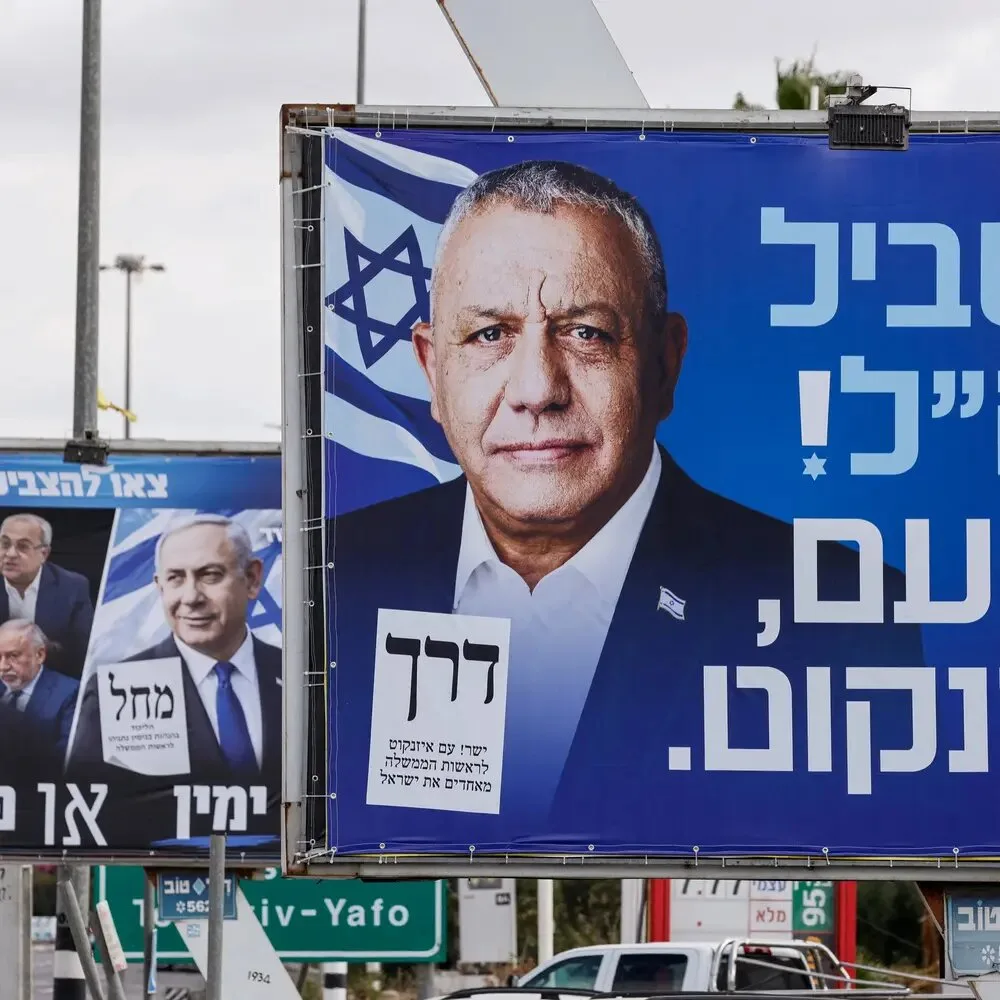
Gadi Eisenkot, the leader of a new political camp in Israel, is faced with the preliminary results of the Knesset elections, which indicate the ongoing fragmentation of power among Israeli parties. This situation, especially as Eisenkot seeks cooperation with Arab parties, could transform the future political landscape of Israel.
Continued Fragmentation of Power in the Knesset Elections
The Knesset elections once again demonstrated that political parties in Israel are severely divided, and none of them are able to secure a decisive majority. This fragmentation of power poses a serious challenge for forming a new government. In this context, Eisenkot, as one of the key figures, is striving to engage in serious negotiations with Arab parties, thereby laying the groundwork for the formation of a national unity government.
Read more: Israeli Parliamentary Elections; Preliminary Results Indicate the Lead of Netanyahu's Support Bloc
Possibility of Cooperation with Arab Parties
Eisenkot is exploring ways to cooperate with Arab parties. This initiative has become increasingly necessary due to rising tensions and the need for stability in Israeli society. Given recent polls and reactions from the Arabic-speaking community in Israel, it seems that this cooperation could benefit both sides and contribute to establishing peace and tranquility.
Arab parties, especially in the last two years, have played a more significant role in Israeli politics, and Eisenkot is effectively taking advantage of this opportunity. He is seeking to create an environment where all ethnic and religious groups in Israel can collaborate and effectively voice their concerns to the authorities.
Challenges and Obstacles
However, Eisenkot's path to cooperation with Arab parties is not smooth. Some Israeli parties oppose this approach, and this cooperation may face challenges. Additionally, the need to gain trust and support from both sides is one of the biggest obstacles ahead. Eisenkot must plan carefully and utilize all available resources to successfully navigate this path.
Ultimately, Eisenkot's efforts to cooperate with Arab parties could not only help form a national unity government but also lead to rebuilding trust between the Arabic-speaking community and other segments of Israeli society. This cooperation could signify a shift in the approach of Israeli politicians towards the Arabic-speaking community and could be seen as a savior for the political future of the country.
Read more: Ayatollah Nouri Hamadani Warned Regional Rulers · Zionist General: Netanyahu's Statements About Destroying Iran Are a Dangerous Delusion