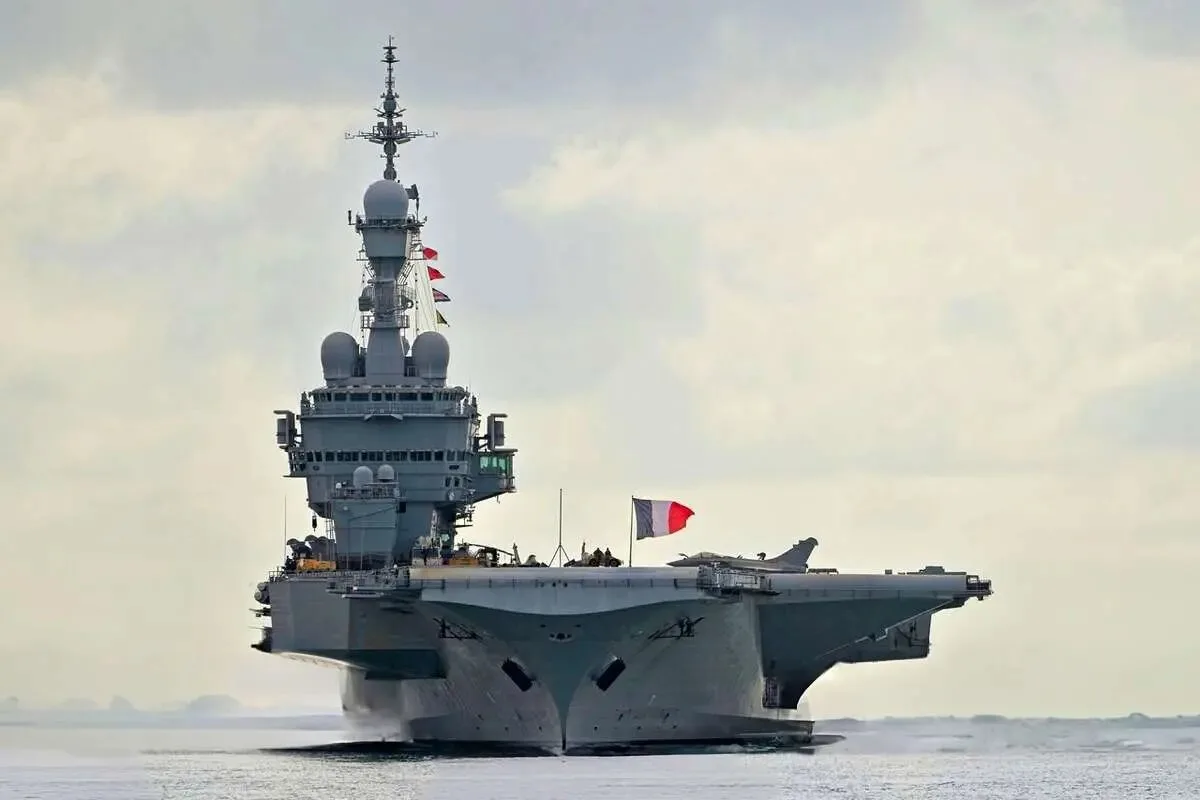
The French government is working to draft a new resolution to establish an international military mission aimed at restoring normal traffic in the Strait of Hormuz. This action comes at a time when Emmanuel Macron, the President of France, had previously deemed the use of force to reopen the Strait of Hormuz as impossible. Macron emphasized in April of this year during a press conference in South Korea that military operations to liberate the Strait of Hormuz are unrealistic.
Contradiction in Macron's Statements and France's Actions
The President of France also made vague remarks on Wednesday, indicating that Paris is not seeking military conflict or confrontation with any country, but is ready to participate more in protecting maritime capabilities. These statements are clearly contradictory to France's efforts in the Security Council to establish joint military forces in the Strait of Hormuz.
Read more: Netanyahu left New York after speaking at the United Nations
Since the beginning of this year, France, in collaboration with the UK, has been seeking to create an international coalition for intervention in the Strait of Hormuz. This is while officials in London and Paris have emphasized at every meeting that the establishment of such a mechanism is dependent on ending the war in the region.
Iran's Reaction to Foreign Military Presence
Iran has strongly rejected any foreign military presence in the Strait of Hormuz. Kazem Gharibabadi, the Deputy Minister for Legal and International Affairs, reacting to some efforts to send European warships to the region, emphasized that the presence of French and British warships, in conjunction with illegal actions and violations of international law by the United States, will face a decisive and immediate response from the armed forces of the Islamic Republic of Iran.
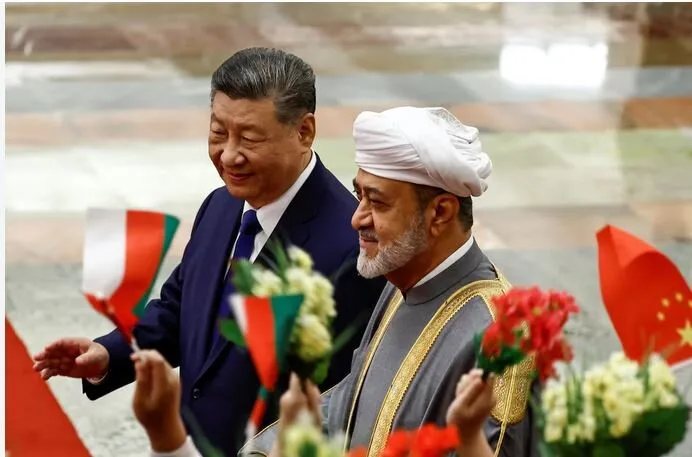
Tehran believes that only after the end of the war and the removal of security threats will the situation of shipping in the Strait of Hormuz return to normal, and there will be no need for foreign intervention. According to Iranian officials, arrangements for navigation in this waterway should be determined by the agreement of the coastal countries, namely the Islamic Republic of Iran and the Sultanate of Oman.
France's new efforts in the Security Council have begun with the support of Washington, and it seems that this document will be used as a new leverage by the United States to strengthen the front against the Islamic Republic of Iran. Previously, the Bahraini government, with U.S. backing, had submitted a draft resolution to the Security Council, which faced vetoes from China and Russia.
Estimates indicate that any draft that includes authorization for coercive action or the use of force will face strong opposition and vetoes from Moscow and Beijing. China and Russia believe that these documents are unilateral and biased and cannot ignore the roots of the crisis.
Read more: Ararat Mirzoyan and the Azerbaijani Foreign Minister emphasized the importance of peace · Malaysia seeks to increase Iranian tourist travel with direct flights