Foreign ministers from eight European and Middle Eastern countries warned the United States and Israel at a meeting held in Istanbul that any new attack on Iran could lead to escalating tensions and drive oil prices to their highest levels.
New Challenge: Anti-War Bloc
The development of a multinational "anti-war" bloc poses a challenge to the increasing and overt plans of the United States and Israel to resume attacks on Iran, while negotiations regarding Tehran's nuclear program remain stalled.
Read more: Elections in the Occupied Territories and the Challenges of Benjamin Netanyahu
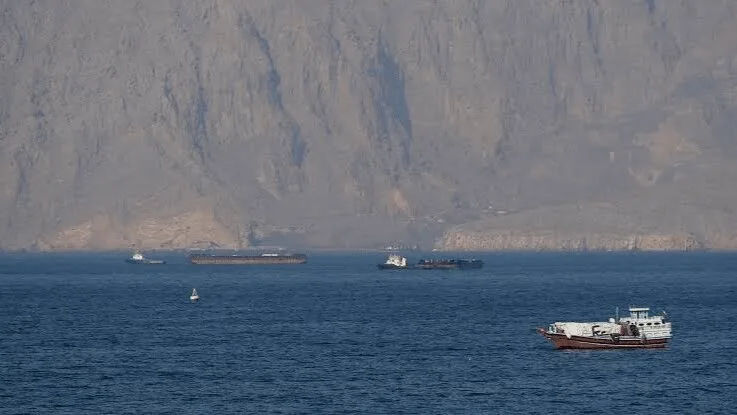
The ministers also called for an end to Houthi attacks on Saudi Arabia and the immediate reopening of the Strait of Hormuz, which has been blocked due to the presence of Iranian ships and drones.
Call for Diplomacy and De-escalation
Jean-Noël Barrot, the French Foreign Minister, stated that another war between Iran and the United States would not benefit either side and would exacerbate oil prices, which have reached their highest levels since May. Ed Miliband, the British Foreign Secretary, also urged both sides to turn to diplomacy.
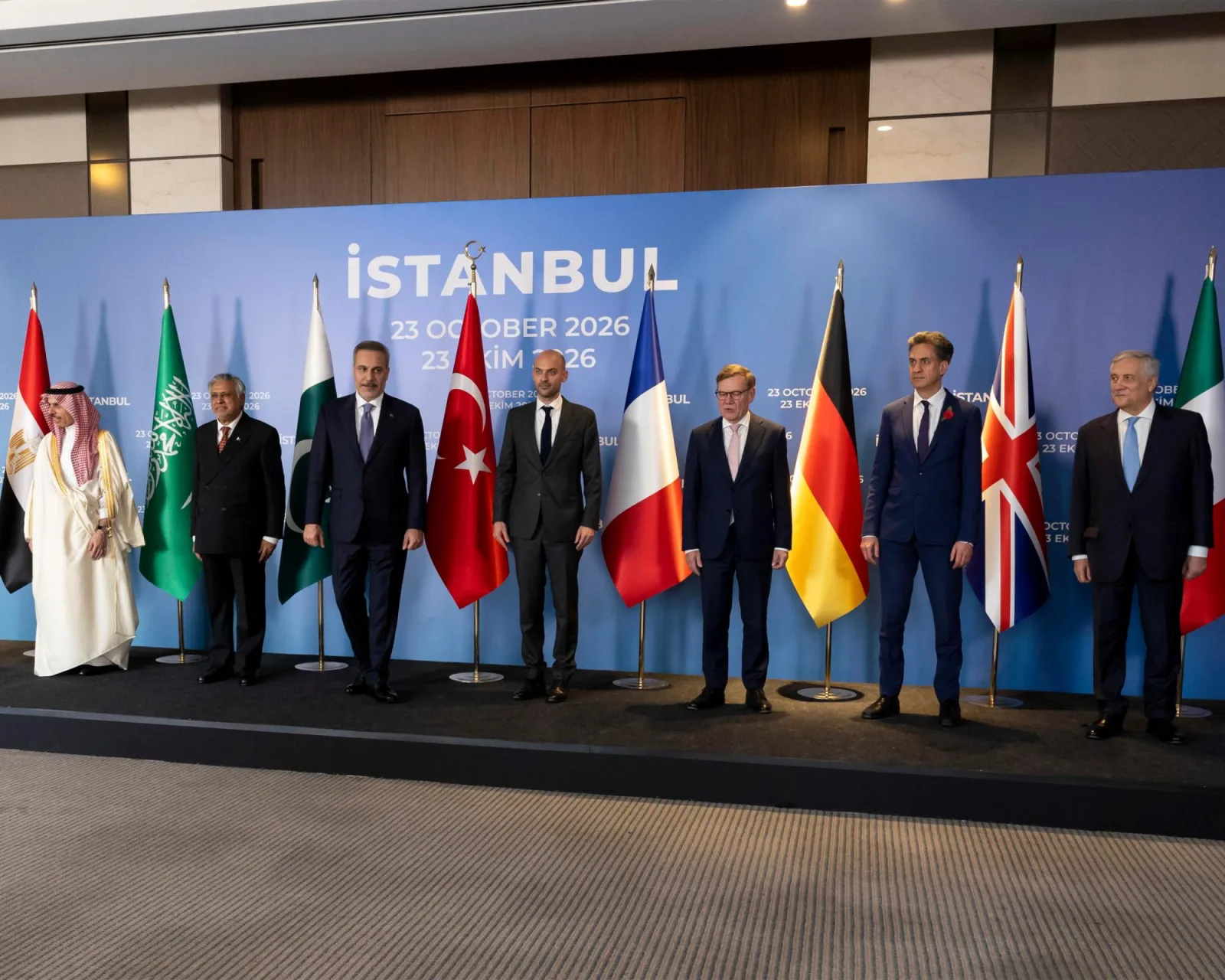
The Istanbul meeting, an unprecedented gathering of regional and European leaders initiated by Turkey and Germany, provided a rare opportunity for European ministers to play a role in Middle Eastern crises, including in Yemen, Palestine, and Iran. Apart from sending air defense to Saudi Arabia, they have largely remained spectators in these crises.
At the meeting, Barrot, Miliband, Johan Wadeful from Germany, and Antonio Tajani from Italy were present. The agenda included Palestinian issues, such as settlement expansion, settler violence, and the two-state solution, as well as security in the Strait of Hormuz, Yemen, and efforts to end the war in Russia and Ukraine.
Wadeful stated, "We are united by the impact of these deadlock conflicts on the economy and security of our countries and our determination to seek new ways to reach solutions." He did not criticize the United States but accused the Houthis and Iran of extorting global trade and continuing the blockade on energy and fertilizer supplies.
Tajani also emphasized that the goal of this meeting is to work towards "de-escalating tensions to ensure freedom of navigation," adding, "I do not know if this problem can be solved solely through a military approach. If we want to reopen Hormuz, which is vital for our economies, we must promote dialogue and make Iran understand that this situation cannot continue."
Read more: Shooting in West Paris Claims One Life · Israeli Military Criticism of Netanyahu's Statements on Iran