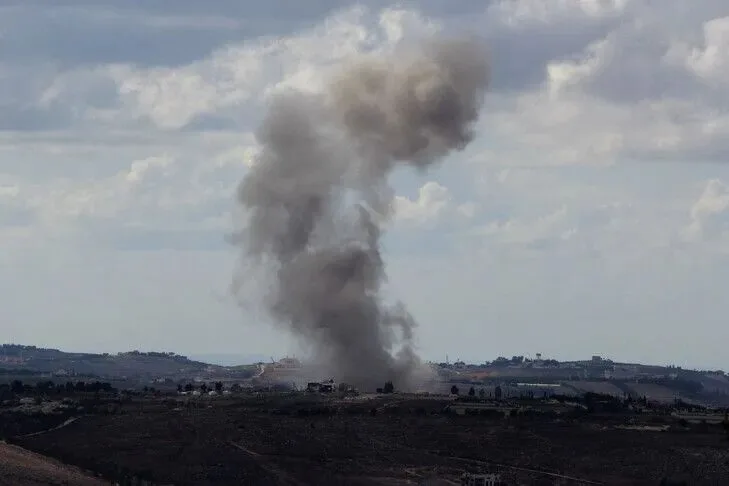
The military attacks by the Israeli regime on southern Lebanon have led to widespread destruction of the vegetation in this area. In this context, the Lebanese Minister of Environment announced that approximately 7,000 hectares of forests and pastures have burned in the last 5 months due to these attacks.
Environmental and Social Damages
These fires not only harm the environment but also negatively impact the lives of local people. Trees and plants that took years to grow and flourish are easily destroyed in the fire, posing a serious threat to biodiversity and the ecosystem of the region.
Read more: Ranger Mohammad Reza Majidi and the challenges of wildlife conservation in Galilee and Sarani
Many residents of the affected areas have been forced to leave their homes due to continuous attacks and fires. This situation not only harms their daily lives but also damages the local economy. Agriculture, which relies on arable land and pastures, is at serious risk.
Responding to the Crisis
The Lebanese Minister of Environment expressed concern over this situation and called for international attention to the environmental crisis caused by the Israeli regime's attacks. He emphasized that the global community must act to support Lebanon and assist in the reconstruction of the affected areas.
As Lebanon faces numerous economic and social challenges, these attacks and fires exacerbate the crises. According to experts, such actions not only lead to environmental destruction but also increase social and political tensions in the region.
Some NGOs and environmental activists in Lebanon are working to draw public attention to this issue and are calling for actions to protect the environment and prevent such incidents in the future. They believe that the recent fires are a sign of neglect towards environmental and humanitarian crises in the region.
Read more: The wetlands of Naqdeh; hosting migratory birds in winter · Mohammad Saber Baghkhani Pour announced the construction of 15 local treatment plants in Tehran