Finland has issued a license for the operation of the world's first permanent repository for spent nuclear fuel. Posiva, responsible for the disposal of Finland's nuclear waste, announced on October 22, 2026, that this underground facility in the Olkiluoto area, in the southwest of the country, will soon begin operations.
New Facility and Its Challenges
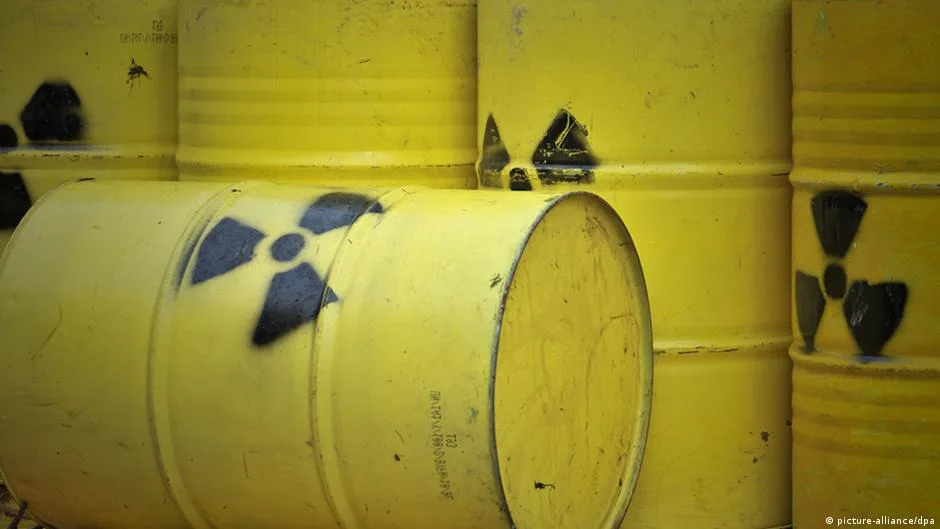
The permanent nuclear waste repository is a facility designed for the long-term storage of radioactive materials resulting from the operation of nuclear power plants. In this facility, spent fuel is placed in robust containers and buried deep underground in stable rock layers. The aim of this method is to encapsulate radioactive materials and prevent their release into the environment for very long periods.
Read more: Mohammad Amin Aghamiri and Iran's Strategy to Counter Starlink
Ilkka Puhkalainen, CEO of Posiva, described the issuance of the operating license as "a great and historic day" for the company and Finland. However, before the final burial of the spent fuel can begin, the company must conduct the necessary tests and inspections; these steps must be reviewed and approved by the Radiation and Nuclear Safety Authority of Finland.
Technical Details of the Onkalo Repository
The Onkalo repository is built on a foundation of hard rocks that are about 1.9 billion years old. This facility has the capacity to store 6,500 tons of uranium and is set to accommodate the spent fuel from five nuclear reactors in Finland.
Spent fuel from nuclear power plants retains its hazardous radioactivity for thousands of years even after being removed from the reactor. Therefore, the safe and long-term storage of these materials is one of the fundamental challenges of using nuclear energy. According to Posiva's plan, the spent fuel rods and assemblies will first be placed in corrosion-resistant copper containers and then transferred into cavities that have been excavated in rock tunnels.
Final disposal deep underground is one of the strategies considered for the long-term storage of spent nuclear fuel. Unlike temporary storage facilities, final repositories are designed to encapsulate waste in stable geological structures to reduce the risk of radioactive material release into the environment. Finland, as a pioneer in this field, is on the verge of launching the world's first underground repository for the permanent disposal of these materials.
Read more: Supreme National Security Council: Management of GPS Disruptions Communicated to Agencies · Drying of Chitgar Trees and a Serious Threat to Tehran's Forest Parks