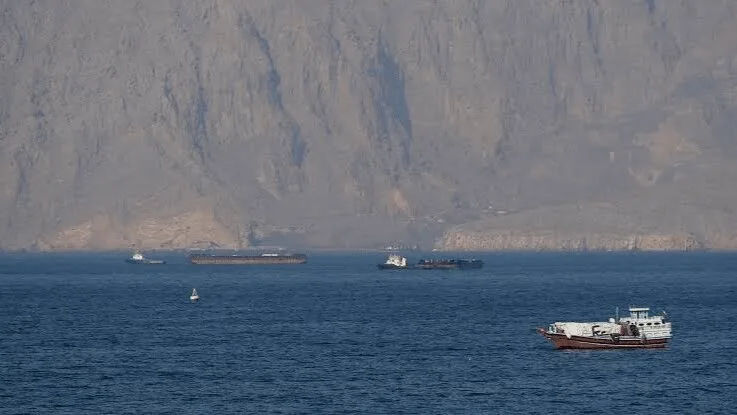
The escalation of attacks on commercial ships in the Strait of Hormuz has driven up oil prices and heightened political tensions ahead of the U.S. midterm elections. These developments have once again raised concerns about the potential for an escalation of confrontation between Iran, the U.S., and Israel, with some analysts warning that this situation could push the region to the brink of a more dangerous crisis.
Iran's Changing Tactics in the Strait of Hormuz
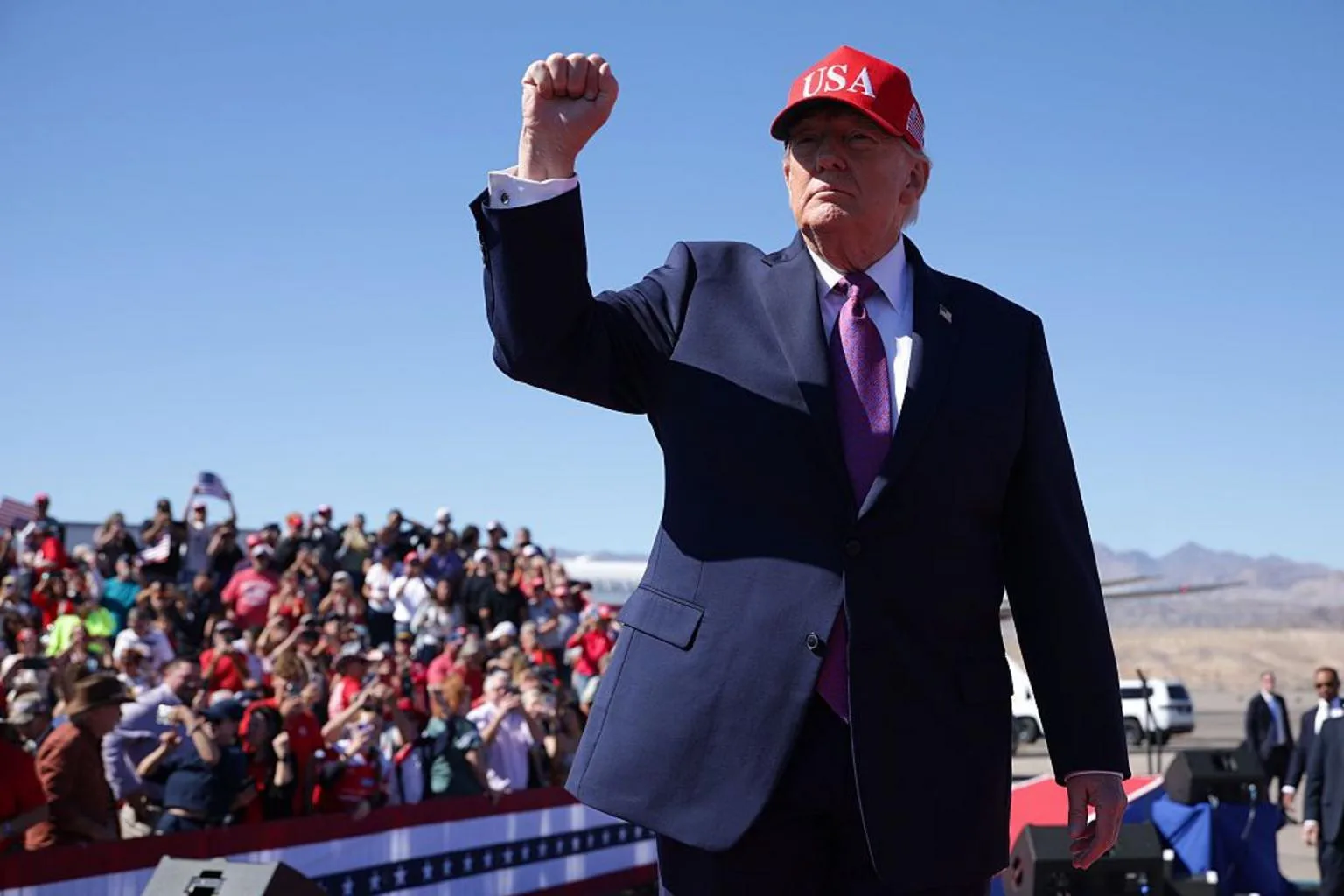
Iran is employing new tactics in targeting commercial ships in the Strait of Hormuz to maintain pressure on shipping routes and consequently keep oil prices high. Two senior Iranian officials have stated that Tehran aims to impose greater political costs on the Republicans and allies of Donald Trump, especially in the three weeks leading up to the U.S. midterm elections.
Read more: Larinconada; a city at an altitude of 5,100 meters with its own unique football field
Iran's military forces, having suffered damage to some parts of their radar network, have increasingly relied on small boats and observers stationed along maritime routes to identify passing ships. These developments indicate significant changes in Iran's strategy in the Strait of Hormuz.
Increased Shipping Risks and Their Impacts
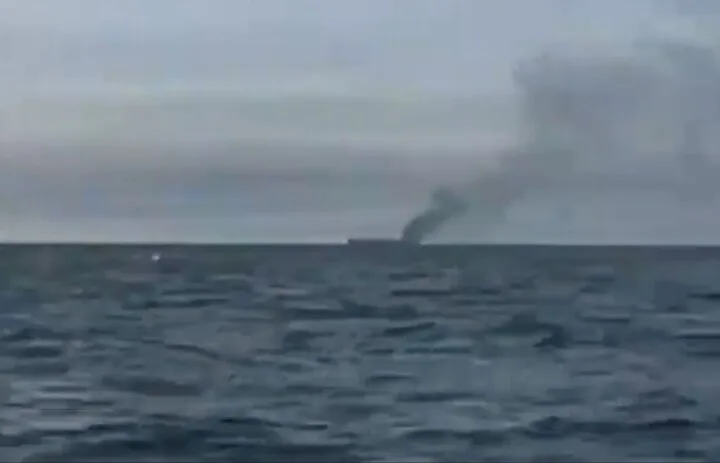
Recently, the Islamic Revolutionary Guard Corps announced that a cargo ship sank after hitting a sea mine in the Strait of Hormuz. This incident has directly increased the risks to commercial shipping in this waterway, exposing commercial vessels to greater threats. These threats include not only restrictions on navigation but also an increasing risk of attacks and physical damage.
The rise in oil prices, which has now reached around one hundred dollars per barrel, has also added to the concerns. A combination of various factors, including new maritime threats from Iran and Houthi attacks on Saudi Arabia's energy infrastructure, has contributed to this price increase. Additionally, statistics show that the annual inflation rate in the U.S. has reached 3.7 percent, which has also become a significant issue in the electoral competition.
In this context, Democrats have been vigorously launching political attacks against Republicans, attributing rising fuel prices and inflationary pressures to Trump’s administration policies and his decision to enter a war with Iran.
Given these developments, observers believe that the risk of a new military confrontation has increased. The escalation of Iranian attacks in the Strait of Hormuz, the increased presence of U.S. forces in the region, and the broader activities of the Israeli Air Force around Iran could all lay the groundwork for a new crisis.
Meanwhile, some analysts believe that the White House and Benjamin Netanyahu may assess that the Islamic Republic is in its weakest position and that a military action could lead to the downfall of the Iranian government. Conversely, Iranian officials may conclude that Donald Trump is not particularly inclined to enter another major war, and there is a possibility that an operation by Iran could lead to a change in Washington's policies.
Read more: Mark Rutte: There is no threat from Russia to NATO countries · Amir Javid: Equal rights for all Iranians, not power division based on ethnicity