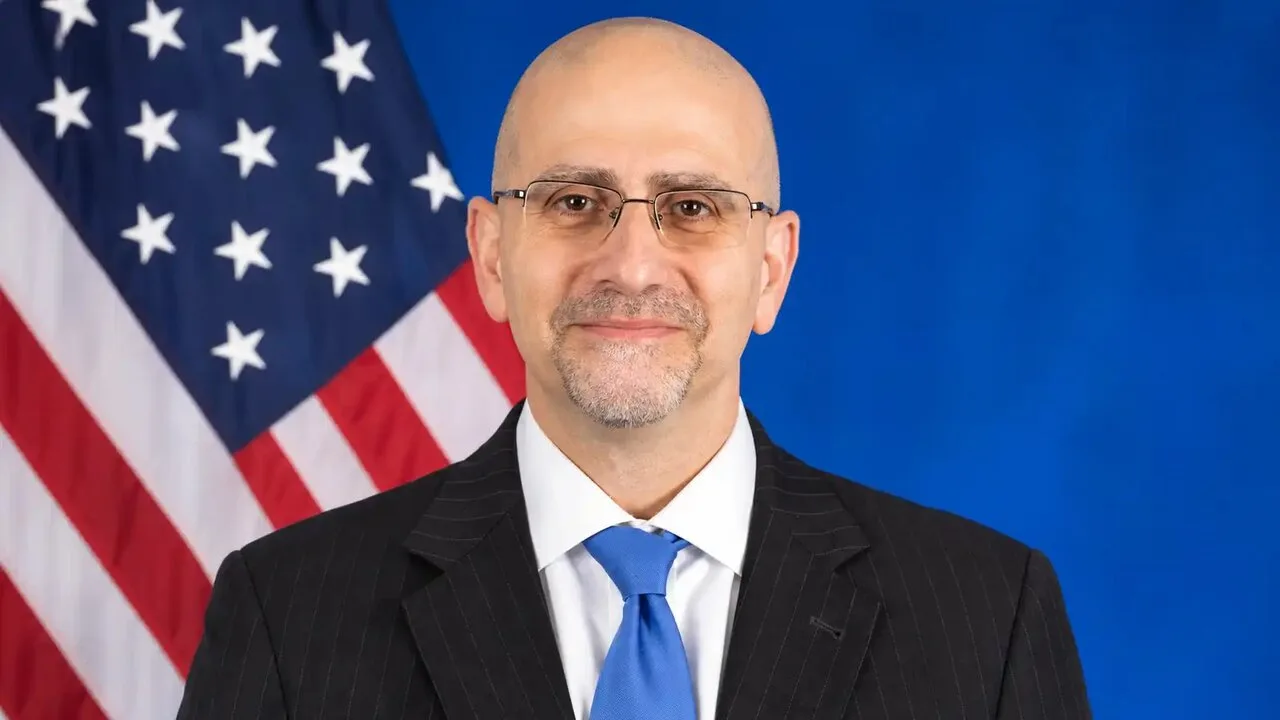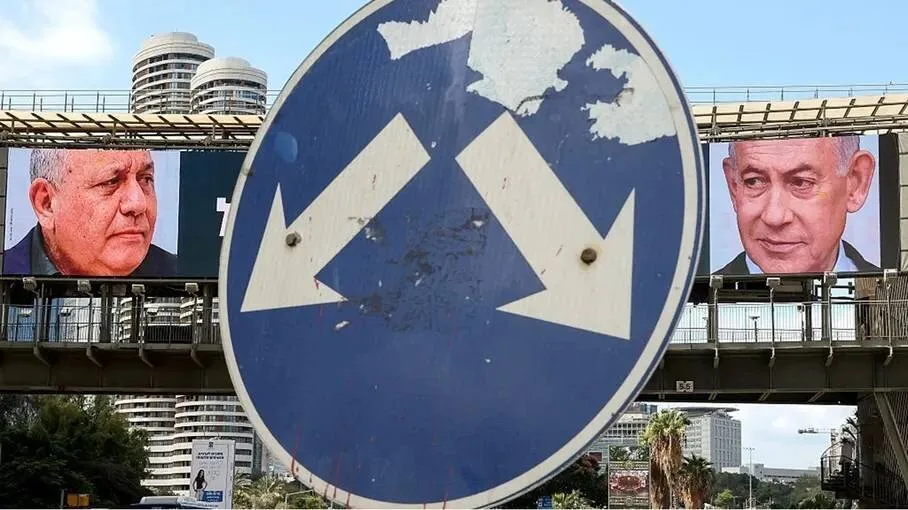
Gadi Eisenkot, after being appointed as the head of the Israeli cabinet, emphasized the need for forming an emergency government in Israel in significant remarks. This request from Eisenkot arises at a time when Israel is facing serious security and political challenges and requires a swift and effective response.
Current Challenges in Israel
In recent weeks, security and political developments in Israel have reached a peak. Repeated attacks from resistance groups and internal tensions within Israeli society have increased pressure on the new government. Eisenkot, who was previously known as the Chief of Staff of the Israeli Army, is well aware of the critical situation and therefore emphasizes the necessity of forming an emergency government.
Read more: Steven Miller, the Controversial Advisor, Became Trump's New Chief of Staff
The Necessity of Cooperation Among Parties
Eisenkot, in his speech, referred to the necessity of cooperation among various political parties and stated that only with a united government can Israel respond to the challenges ahead. He advised representatives of different parties to focus on national interests instead of political rivalries and to join hands during this difficult time.
Eisenkot's remarks not only reflect his concerns about the current state of the country but also serve as a call for unity and solidarity among political forces. He clearly stated that without a strong and coordinated government, Israel cannot effectively confront internal and external threats.
Consequences of Forming an Emergency Government
The formation of an emergency government could have significant consequences for Israel. On one hand, this action could strengthen national security and restore calm to society. On the other hand, it may lead to increased tensions among various political parties, as each party may pursue its own specific demands and interests.
Given the current conditions, Eisenkot and the new government must act swiftly and present their plans to strengthen internal security and establish political stability in the country. These plans will include cooperation with security agencies, enhancing diplomacy, and exploring economic solutions to support Israeli society.
Ultimately, Eisenkot's remarks could mark a turning point in Israel's political history. As an experienced military leader, he is trying to leverage his position as a political leader as well and respond to the challenges facing the country with a comprehensive and structured plan.
Read more: Putin Intervenes as a Mediator in Iran-U.S. Negotiations · The Fate of Israel's Future Cabinet is in the Hands of Avigdor Lieberman