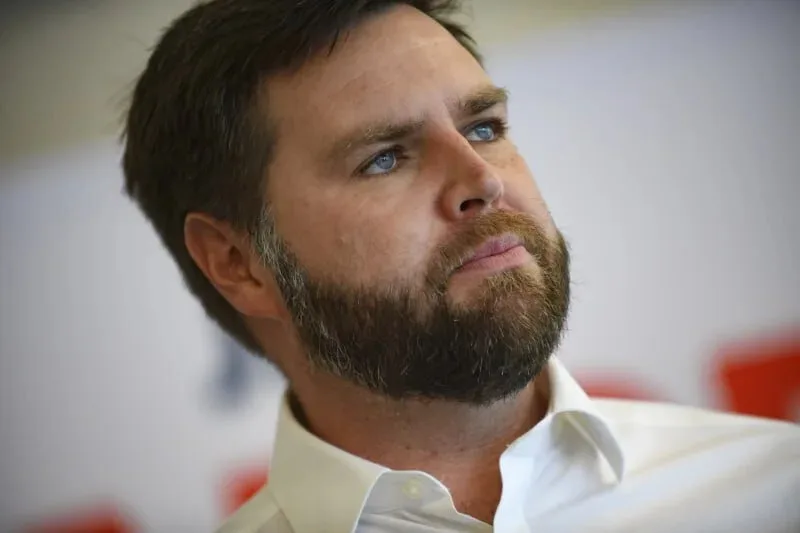
Donald Trump Jr., the eldest son of the President of the United States, has opposed the country's entry into war with Iran from the very beginning. This opposition is evident not only in family discussions but also in his public stances. With less than two weeks remaining until the U.S. midterm elections, polls indicate public dissatisfaction with Donald Trump's performance in various areas, including the war with Iran.
A Rift in the 'MAGA' Camp
Reports suggest that Trump Jr.'s opposition is a sign of a deeper rift within the 'MAGA' camp. This rift exists between nationalist supporters of the President who see intervention in foreign wars as contradictory to the 'America First' slogan and more hardline figures who call for a tougher stance against countries like Iran. Meanwhile, some Republican candidates have also adopted more critical positions regarding the war with Iran in their election campaigns.
Read more: Pete Hegseth: We have no change in U.S. policy towards Ukraine
The Future of Regional Security
At the Doha Security Conference, Tom Barrack, the U.S. Ambassador to Turkey, warned Gulf Arab states that they need to take on a greater share of their security costs. Barrack stated that the previous arrangements, under which the U.S. provided security in exchange for access to oil, no longer align with Washington's priorities. This message clearly indicates a shift in the U.S. approach to Middle Eastern security and tells regional countries that they must rely more on themselves to defend their security.
In this context, William McRaven, a four-star Admiral and former commander of U.S. Special Operations Forces, examined the limitations of U.S. military power in an article and noted that the war with Iran is not the only mistake of the Trump administration but an example of the inherent limitations of this power. He believes that without effective political and military leadership, even the most powerful armies cannot achieve desirable outcomes.
These concerns have occupied voters' minds as the U.S. midterm elections approach. Public dissatisfaction with the management of the war and its impact on the economy could profoundly affect the outcomes of these elections and determine whether voters still support their leaders in the war with Iran.
Read more: Meeting of the Prime Ministers of Russia and China in St. Petersburg · Jeffrey Sachs: The U.S. cannot defeat Iran